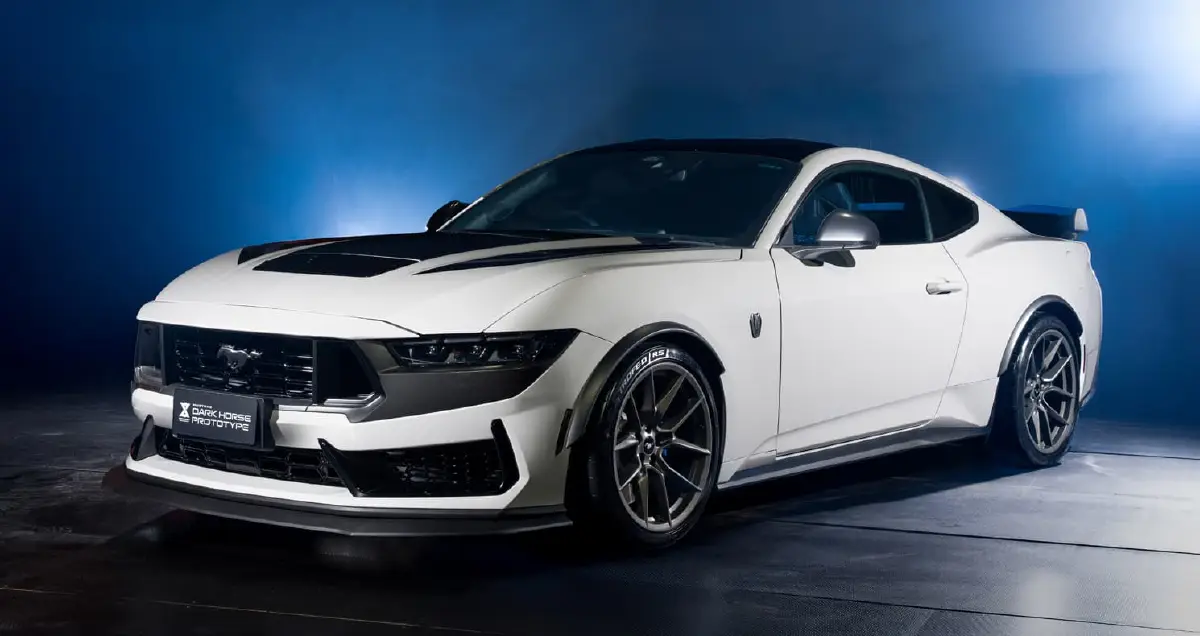
Electric vehicle buyers are helping to pay to keep performance cars viable.
That’s the reality of the Australian automotive landscape, according to , thanks to the New Vehicle Efficiency Standard (NVES) introduced by the Federal Government.
Under the scheme, car makers are now fined for each vehicle sold that produces emissions above the government’s target. But at the same time, they are given credits for vehicles below the target, with vehicles (EVs) obviously producing zero tailpipe emissions and therefore attracting significant credits.
It explains, at least in part, why the price of the has crept up in recent years. Since November 2024 to November 2026, the V8-powered Mustang GT has risen from $78,990 to $84,917 – a 7.5 per cent price increase.
Chinese EVs and buying credits to offset V8s
To help offset the emissions from the Mustang, and keep it both viable and affordable, Ford admits it is relying on credits for its new range of EVs and hybrids. Specifically its range of electric vans, including the new Transit City, as well as the Bronco Basecamp coming in 2027.

Crucially, the company has committed to buying emissions credits from other brands (which is allowed) if it needs to in order to keep the Mustang around.
“So it’s an overall portfolio, tax or ,” explained Ambrose Henderson, Ford Australia Marketing Director. “And we’re managing that as all OEMs of course are. And between that and purchasing credits, we’ll work through that. But we know that there is a core and significant audience that loves this car and will continue to buy this car in the future.”
Henderson said there are a range of factors contributing to the price pressure on Mustang, particularly as this current model is about to enter its fourth year on sale in Australia.
“Clearly, the market’s moving and lots is happening in the market from a macroeconomic environment to also what’s happening in the automotive environment,” he explained.
“But one thing stays consistent, and that is that people aspire to this product. People aspire to have a product that is exciting and emotional and at its core is a race car with a V8 and all the things that come with that. And we’re obviously managing through that.


“From a pricing perspective, there’s a whole range of things that go into pricing. Of course, NVES is one of those things, but there’s a range of other things as well, from what’s happening with global exchange rates, etc, etc, commodity prices.
“So to talk specifically about NVES, clearly NVES has an impact on this product. We’re not shying away from that. But we have a broader portfolio strategy of how we’re going to address NVES.
“You saw a sneak peek preview of some of that in what we talked about at Ford Uncovered with some EV products. And we’ll manage that through both our cycle plan and also through purchasing credits as we need to going forward. But from our perspective, Mustang is part of Ford’s legacy and will be here for a long time to [come].”

Mustang sales are down nearly 50 per cent year-to-date at the end of October, but Ford has high hopes for the new Transit City. This all-electric van is a product of its joint venture with Jiangling Motors in China, comes with a $50,000 price and is arriving in showrooms in November.