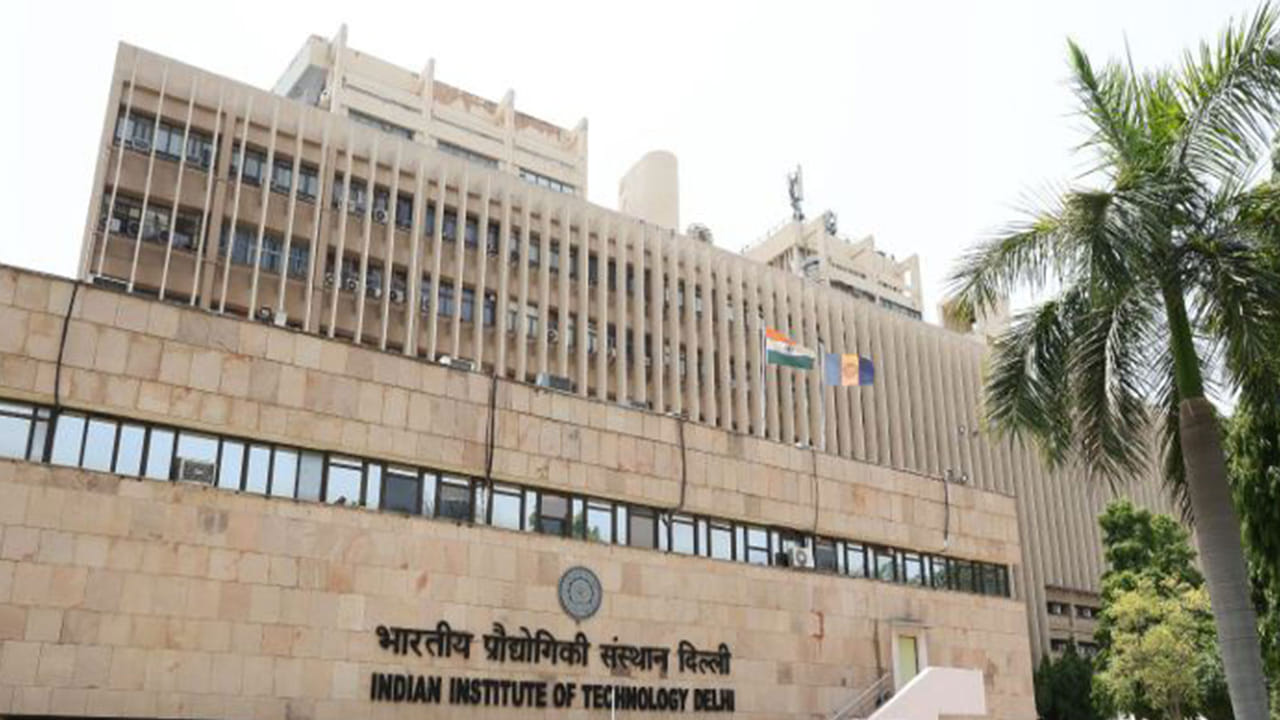
IIT Delhi has entered the global top 200, achieving the 194th position in the QS World University Rankings: Sustainability 2027. The institute improved its global standing by 11 places, emphasizing its commitment to research and sustainability.
The Indian Institute of Technology (IIT) Delhi has retained its number one position in India and entered the global top 200 by securing the 194th rank in the QS World University Rankings: Sustainability 2027, according to an official release on Tuesday. The institute improved its global ranking by 11 places, rising from 205th last year, and climbed five spots in Asia from 24th to 19th. IIT Delhi’s overall sustainability score also increased from 83.1 in 2026 to 86.5 in 2027.
Speaking on the achievement, Somnath Baidya Roy, Dean of Planning and Head of the Ranking Cell at IIT Delhi, said, “Sustainability is a top priority for IIT Delhi. We are a leader in sustainability education and research. The Institute has constituted a Sustainability Task Force to guide and drive IIT Delhi’s transition towards a sustainable campus through coordinated action, measurable outcomes, and continuous monitoring.” “We are happy to see that our efforts are also reflected in our improved performance in global sustainability rankings,” he added.
According to the release, the institute has integrated sustainability into its campus operations through renewable energy generation, energy efficiency, and green mobility initiatives. It is also pursuing long-term goals of net zero water use and zero waste to landfill via rainwater harvesting, groundwater recharge, wastewater reuse, waste segregation, composting, and recycling. On the research front, IIT Delhi is undertaking work in climate action, renewable energy, and the circular economy. Earlier this year, the institute and the International Solar Alliance formalised a framework for action to promote renewable energy deployment and solar skills development.
Additionally, IIT Delhi’s School of Public Policy is leading the Net Zero India Project in collaboration with Schmidt Sciences under the Research Frontier Networks (RFN) program to examine diverse technological pathways for achieving net-zero emissions by 2070. The institute has also joined hands with TU Delft to work on urban flood and heat mitigation and climate-resilient infrastructure for energy transitions, while partnering with Jindal Steel to establish a Nodal Centre of Excellence dedicated to structural steel research, design innovation, and skilling. Beyond campus operations and research, IIT Delhi is working on inclusive development through accessibility, gender equity, and rural outreach. As the National Coordinating Institute for the Unnat Bharat Abhiyan, it collaborates with higher education institutions and rural communities to promote sustainable solutions in energy, water, and livelihoods, the release added.