The Delhi government has arranged 2,500 ghats for Chhath Puja, with Delhi Metro starting operations at 4:30 am to assist devotees. The four-day festival honors the Sun God through rigorous fasting and rituals at water bodies across the city.
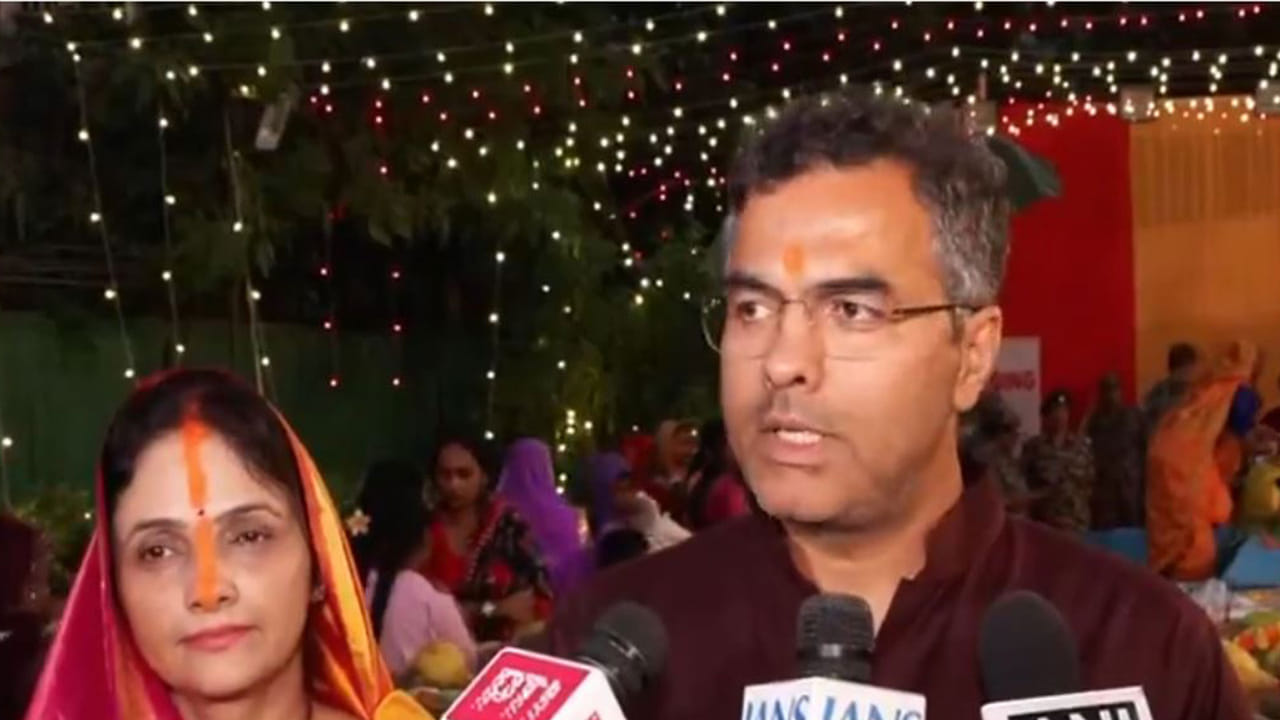
New Delhi [India], November 15 (ANI): Delhi Minister Parvesh Verma on Sunday said that Delhi government has made extensive arrangements for Chhath Puja celebrations across the national capital, with around 2,500 ghats set up in coordination with various civic and government agencies. Speaking to reporters, Verma extended his wishes to the people celebrating the festival and said that he and his wife had set up a Chhath ghat at their residence, as they did last year, which was being visited by devotees from nearby areas.
“I extend my best wishes to all our Purvanchal and Sanatan brothers and sisters. Like last year, my wife and I have built a Chhath ghat at our residence this time too, and many mothers and sisters from nearby areas are visiting. This time, the Delhi government has made unprecedented arrangements, over 1,500 ghats by the Delhi government, and around 2,500 ghats in total, along with MCD, DDA, and other departments, where lakhs of devotees are celebrating with great devotion,” Verma said.
Further, Delhi Minister Pankaj Kumar Singh said that Chhath Puja holds deep religious significance for people from the Purvanchal region and that the government had made elaborate arrangements to facilitate the celebrations. He also said that Delhi Metro services would begin at 4:30 am instead of the usual 6 am to help devotees reach the ghats for the morning Arghya.
“Chhath Puja holds deep religious significance for the people of Purvanchal. The Delhi Government has made elaborate arrangements to celebrate the festival on a grand scale… To help devotees reach the ghats for the morning Arghya, Delhi Metro services will begin at 4:30 am instead of the usual 6 am. My wishes to all,” Singh told ANI.
Chhath Puja is a four-day Hindu festival dedicated to the worship of the Sun God, Surya, and Chhathi Maiya. The festival began with Nahay Khay, during which devotees take a holy bath and prepare a traditional meal comprising Arwa rice, chana dal and lauki (bottle gourd). The second day, known as Kharna, involves a fast from sunrise to sunset, which devotees break after offering prayers and preparing traditional prasad, usually comprising jaggery-based kheer and roti. Thereafter, devotees observe a rigorous fast of approximately 36 hours without food or water. On the third day, devotees gather at riverbanks and other water bodies to offer Arghya to the setting sun during Sandhya Arghya. The festival will conclude on the fourth day with Usha Arghya, when devotees offer prayers to the rising sun at dawn. The ritual is followed by Parana, marking the conclusion of the fast. The festival symbolises purity, devotion and gratitude, with devotees seeking blessings for the health, prosperity and well-being of their families. (ANI)