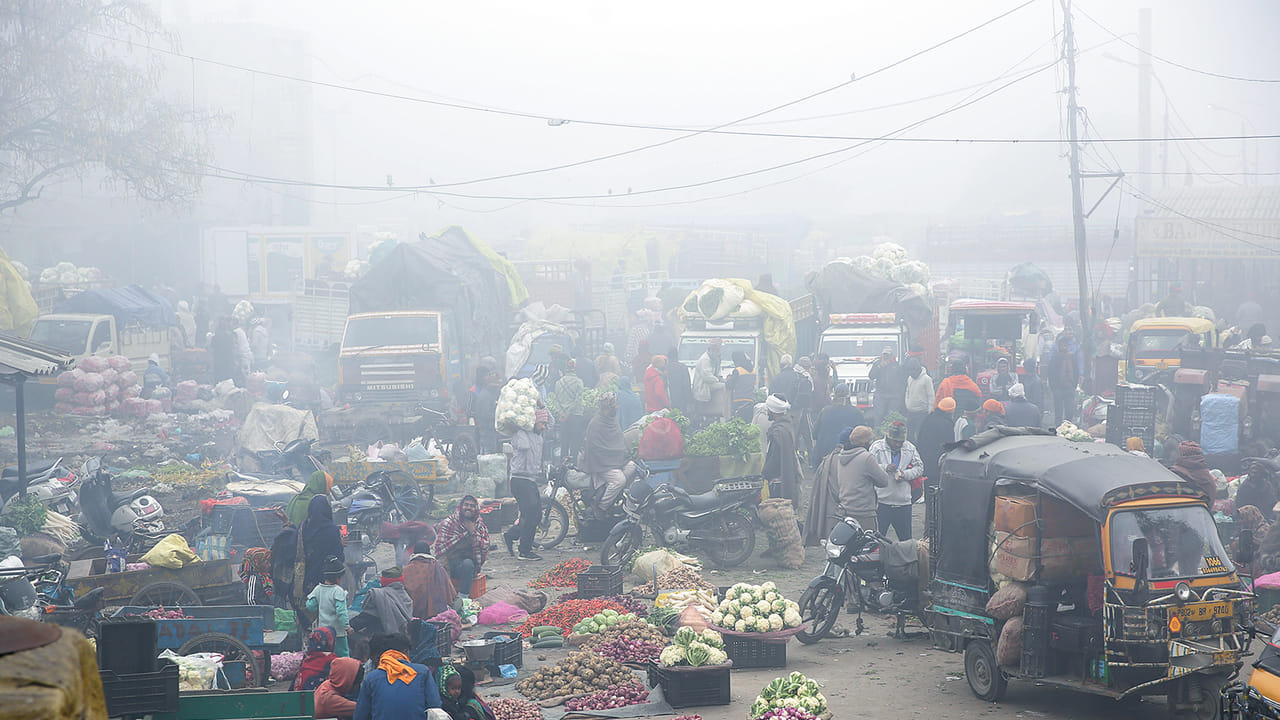
Nuvama Equities reports that persistent food inflation and potential El Nino risks may compel the RBI to consider interest rate hikes in FY27, despite expectations of gradual headline inflation normalization in the coming months.
Uneven monsoons and the possibility of El Niño conditions could pose upside risks to food inflation in FY27, keeping the Reserve Bank of India (RBI) open to another interest rate hike despite expectations of gradual moderation in overall price pressures, according to a report by Nuvama Institutional Equities.
The report said headline inflation could remain elevated in the near term due to an unfavourable base effect, but may gradually normalise during FY27 as base effects fade and supply-side pressures ease. “While we do not forecast the cycle shall be deep, the RBI’s guidance makes another hike a distinct possibility,” Nuvama said, indicating that the central bank could consider further monetary tightening if inflation risks persist.
India’s headline Consumer Price Index (CPI) inflation rose to 6.1 per cent year-on-year in October from 5.5 per cent in September, marking a two-year high. The increase was in line with expectations and was driven largely by a low and falling base, with inflation in October last year standing at zero per cent. Food and beverages inflation increased to 8.5 per cent in October from 7.4 per cent in September, reflecting the impact of uneven monsoons and an unfavourable base effect.
Nuvama said the rise in headline inflation was primarily driven by food prices and base effects, while underlying demand-side pressures remained relatively contained. Core CPI inflation, which excludes food and fuel, edged up to 4.8 per cent in October from 4.6 per cent in September. Super-core inflation, which excludes food, fuel and commodities, increased to 3.8 per cent from 3.2 per cent. Restaurant services inflation accelerated to 10.1 per cent from 9.4 per cent, reflecting higher commercial LPG and raw material costs. Clothing and footwear inflation also rose to 5 per cent from 3.9 per cent, partly due to higher crude-linked raw material and cotton costs.
“Headline inflation could stay elevated in the very near term on a low base. However, in FY27 there could be a gradual normalisation as base effects fade and supply pressures ease,” the report said. However, the report cautioned that El Niño and uneven monsoons could keep food inflation risks tilted upwards, making the pace of moderation in consumer prices an important factor for the RBI’s future rate decisions.