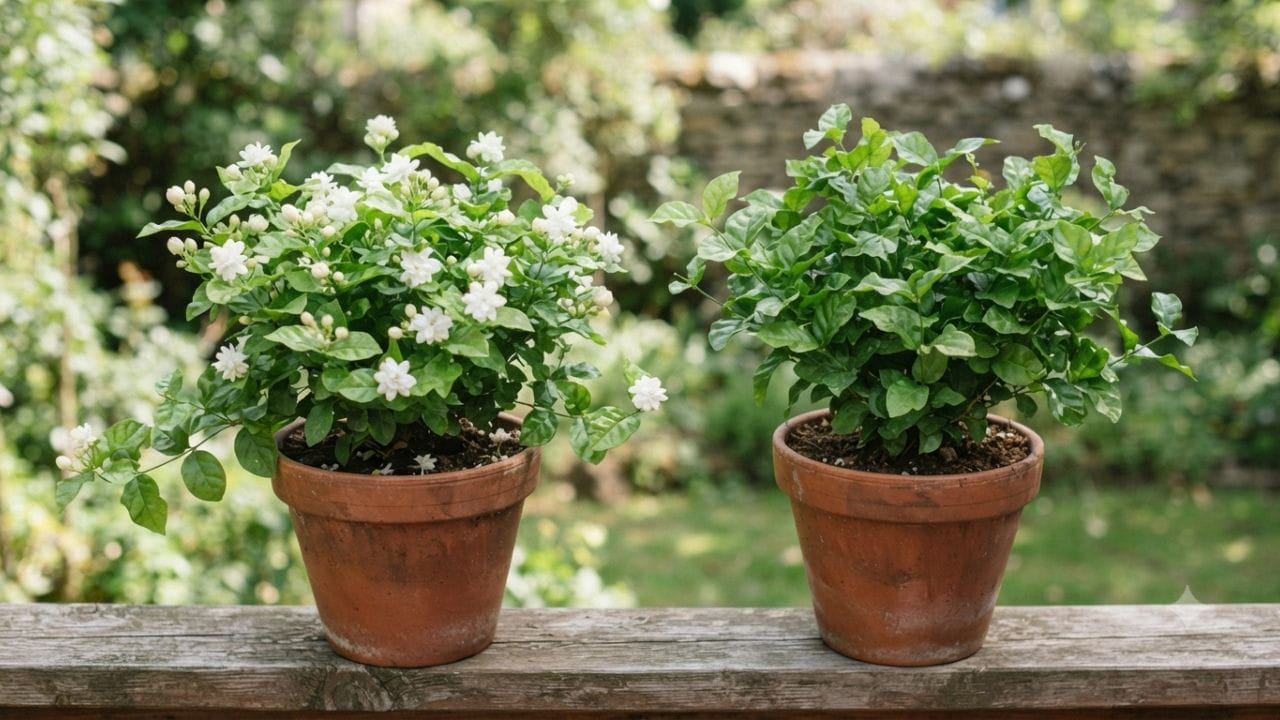
<p>Is your jasmine plant producing fewer flowers? Discover three simple household ingredients that may improve soil fertility, support healthy plant growth and encourage better blooming with the right care.</p><img><p>Once the jasmine plants start blooming, they may stop blooming completely. However, there are many horticultures hacks you can use so that the flower will be distributed on all parts of the plant.</p><img><p>For the jasmine plant to bloom, the soil must contain certain nutrients. It is best to grow jasmine plants in soils with a pH ranging anywhere between 5.5-7.0. However, if the pH falls then the plant won’t bloom fully, or partially. Let’s look at how we can fix this issue.</p><img><p>To make the soil more fertile, you can add a glass of sour buttermilk, a teaspoon of lime powder and half a teaspoon of turmeric powder. Simply dig into the soil and add these three ingredients. Cover with a thin layer of soil and add a sprinkling of water.</p><img><p>Adding too much water to the jasmine plant will cause the nutrients in the soil to wash away. The roots of the jasmine plant are very vulnerable and can rot due to too much watering. This will weaken the stem of the plant. To avoid this issue, slowly add water to the plant only when the soil at the bottom of the plant is dry. Adding a small amount of sand to the soil will help.</p><img><p>Potassium is needed to give the jasmine plant a large amount of flowers. Calcium and Magnesium are needed to prevent any yellowing of the leaves. Phosphorus is essential to create new buds and strengthen roots. Ensure you have these nutrients in the soil. Organic fertilisers can be bought on the market today.</p>