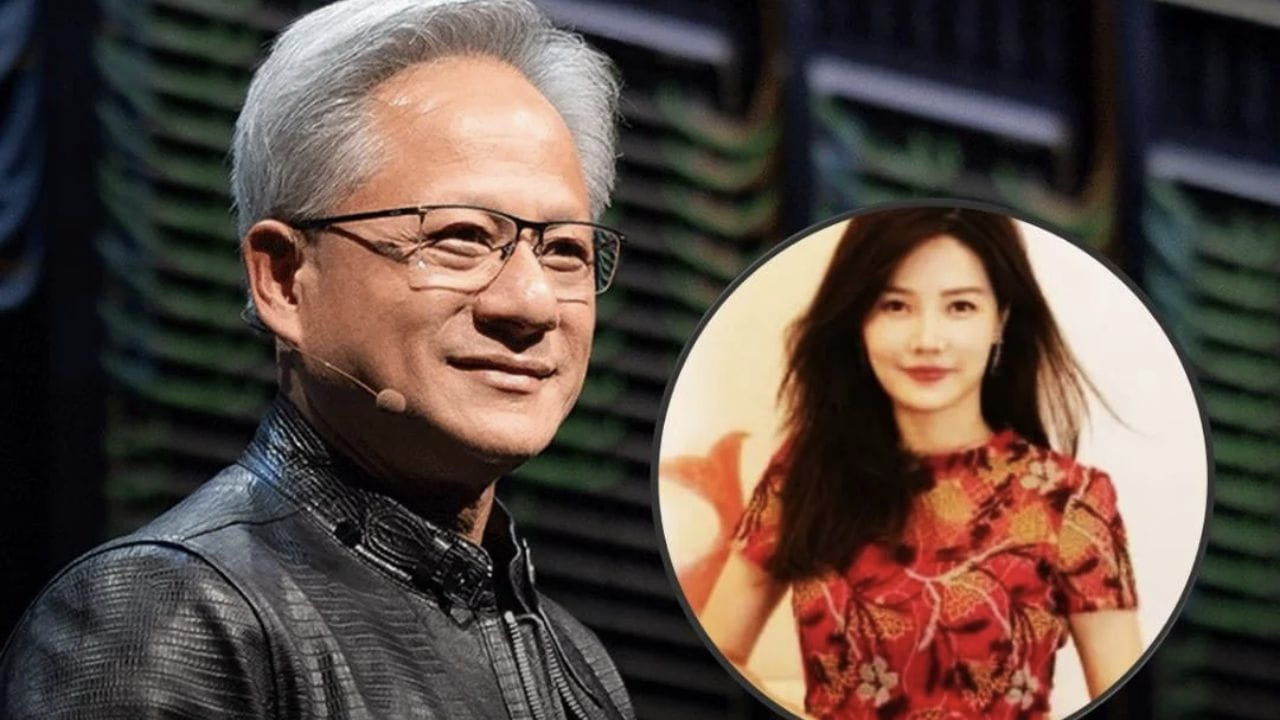
Nvidia CEO Jensen Huang’s reported relationship with Alice Huang has brought an old espionage tactic back into spotlight. The controversy has drawn attention to allegations that Chinese intelligence agencies have used romantic relationships to approach influential individuals, gain their trust & potentially obtain confidential information.
Nvidia CEO Jensen Huang’s reported relationship with Megaspeed executive Alice Huang has brought an old espionage tactic back into the spotlight. The controversy has drawn attention to allegations that Chinese intelligence agencies have used romantic relationships to approach influential individuals, gain their trust and potentially obtain confidential information.
Such operations are commonly described as ‘honey traps’ or sexpionage. They involve using romantic or sexual relationships to establish influence over individuals who have access to sensitive government, military or corporate information.
Reports have alleged that Alice Huang, who is suspected of having links to Chinese intelligence, was involved in facilitating the movement of restricted Nvidia chips into China. The reports have claimed that around 240,000 chips, largely H100 and H200 systems, worth approximately $7.5 billion were shipped into the country. These allegations remain unverified. China has rejected the claims surrounding Alice Huang as “unsubstantiated” and part of a “smear campaign”.
Huang has acknowledged an extramarital affair and apologised to his wife, Lori Huang, after 41 years of marriage. However, an admission of an affair does not establish the separate allegations of espionage or involvement in illegal chip shipments.
The Nvidia controversy is not the first instance in which personal relationships have featured in international espionage investigations. Several cases involving American officials, military personnel and foreign diplomats have raised concerns about the alleged use of romantic relationships to obtain sensitive information.
Here are five cases that have attracted international attention.
1. John Rogers: The Federal Reserve economist accused of sharing secrets
John Rogers, a senior economist at the US Federal Reserve, became the subject of a major investigation after American authorities alleged that Chinese intelligence operatives had cultivated a relationship with him over several years.
According to the allegations, the operatives obtained intimate photographs and videos of Rogers and subsequently used the material to pressure him. Investigators accused him of sharing sensitive government information.
Rogers was arrested over allegations involving the handling and disclosure of confidential information. However, the legal outcome was not a conviction for espionage. A US court acquitted him of espionage charges in 2026, although he was convicted of lying to federal investigators.
The case attracted attention because of the alleged use of personal relationships and compromising material to influence someone working within a sensitive government institution.
Also Read: Who Is Kimberly Powell? Nvidia VP’s Alleged Affair Amid Jensen Huang-Alice Huang Controversy
2. Benjamin Bishop: US defence contractor’s relationship with Chinese student
Benjamin Bishop, a defence contractor associated with the US Pacific Command, was another individual caught in an espionage-related investigation involving a personal relationship.
Bishop admitted to having an affair with a Chinese student and acknowledged sending classified national defence documents to her. The information involved sensitive material connected to US military operations.
However, investigators could not establish that the woman was working for Chinese intelligence. This distinction remained important in the case, even as Bishop faced serious consequences for sharing classified material.
In 2014, a US court sentenced him to 87 months in prison. His case demonstrated how an individual’s personal conduct can create serious national security risks when confidential information is involved.
3. Major General Lo Cian: Taiwanese military officer accused of spying for Beijing
A case involving Taiwan’s military also drew attention to allegations of romantic entrapment by Chinese intelligence.
Major General Lo Cian was allegedly approached by Chinese intelligence operatives and drawn into a romantic relationship. According to the allegations, he was recruited in 2004 and received payments over several years in exchange for passing sensitive military information to Beijing.
The investigation eventually led to his arrest in 2011. He was convicted and imprisoned for passing classified military secrets.
The case highlighted the potential security implications of alleged intelligence operations targeting senior military personnel, particularly when the information involved defence capabilities and national security.
4. Katrina Leung and James Smith: A relationship that rocked the FBI
The case involving Katrina Leung and FBI agent James Smith became one of the most unusual controversies involving American counterintelligence.
Leung was a paid FBI informant based in California who had access to information connected to investigations involving China. She also maintained a secret romantic relationship with Smith, her FBI handler, for approximately two decades.
US authorities subsequently alleged that Leung had passed sensitive information to China. Her relationship with Smith raised serious questions about conflicts of interest, security procedures and the handling of confidential intelligence.
However, the espionage allegations against Leung were never established in court. In 2005, she pleaded guilty to tax-related offences. Smith, meanwhile, received probation after admitting to lying to investigators.
The case exposed vulnerabilities in intelligence operations when personal relationships interfere with professional responsibilities.
Also Read: Jensen Huang’s Affair Controversy Gets A Spooky Bollywood Twist In Viral AI Video (WATCH)
5. Bernard Boursicot: The French diplomat and Chinese opera performer
One of the most widely discussed espionage cases involving an alleged romantic honey trap dates back to the 1960s.
Bernard Boursicot, a French diplomat stationed in China, developed a relationship with Shi Pei Pu, a Chinese opera performer. Their relationship continued for nearly two decades.
Boursicot believed Shi was a woman and that they had a child together. However, the relationship later became the subject of an extraordinary espionage investigation when authorities discovered that Shi had worked with Chinese intelligence.
During their relationship, Boursicot passed confidential French diplomatic documents to China. The two were eventually arrested in France in 1983 and convicted of espionage in 1986.
The case became internationally famous because of the unusual circumstances surrounding the relationship and the alleged use of personal intimacy to obtain classified information.
Why are alleged honey-trap operations attracting attention again?
The latest controversy involving Jensen Huang and Alice Huang has renewed discussions about the risks faced by influential executives and government officials who have access to sensitive information.
Unlike traditional espionage, which may involve surveillance, hacking or the recruitment of insiders through financial incentives, honey-trap operations allegedly rely on emotional attachment, trust and personal vulnerabilities.
For companies such as Nvidia, which develops advanced chips used in artificial intelligence and high-performance computing, protecting confidential technology and business information is particularly important.
However, the five cases listed above have different circumstances, legal outcomes and levels of proven involvement in espionage. Not every relationship resulted in a proven intelligence operation, and allegations must be distinguished from established court findings.
As investigations surrounding the Nvidia controversy continue, the cases serve as reminders of how personal relationships can become entangled with national security concerns.