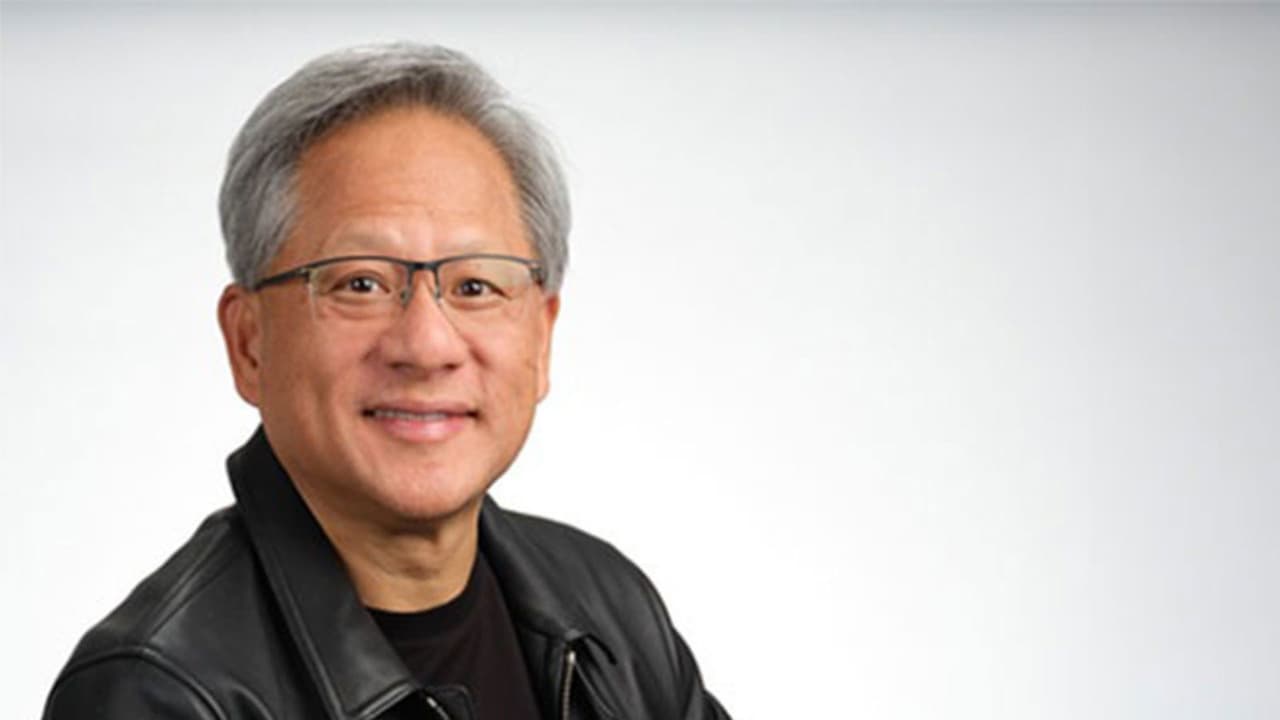
Nvidia CEO Jensen Huang faces renewed scrutiny regarding his China market strategy amid reports of a personal relationship with a woman suspected of being a Chinese intelligence asset. He maintains that the Chinese market offers significant growth.
Jensen Huang’s China Strategy and Personal Scrutiny
Nvidia Chief Executive Officer Jensen Huang’s comments on the company’s prospects in China have resurfaced amid reports concerning his relationship with Alice Huang, whom US intelligence agencies reportedly suspect of being a Chinese intelligence asset. Speaking to Fortune in an interview conducted in October, before The New York Times reported the allegations, Huang described the opportunity for Nvidia in China as “large and growing”. The remarks came weeks before he acknowledged having an affair with Alice Huang. The comments have attracted renewed attention to Huang’s longstanding efforts to secure access to the Chinese market, despite US export restrictions and Beijing’s push to strengthen its domestic semiconductor industry. Huang has consistently opposed tighter restrictions on semiconductor sales to China. However, the reported relationship does not establish that it had any bearing on his position regarding export controls. Photographs shared online reportedly show Huang and Alice together in Taipei in June 2024. The duration of their relationship, however, remains unclear.
Future Market Outlook and Export Controls
During the Fortune interview, Huang was asked whether he expected Nvidia’s sales in China to recover. He acknowledged that relations between Washington and Beijing would involve a “natural tension” that “lasts a long time”. While maintaining that Nvidia would continue to leave China out of its revenue forecasts, as it has since August 2025 because of regulatory uncertainty in both countries, Huang stressed the market’s growth potential. “I think the opportunity in China is large and growing, just like the AI market across the world is large and growing,” he told Fortune. “We could be of great service to the local market. We can compete and win as much of the AI market as possible for the United States, while also providing compute resources, which is really important to their economy,” he added.
Impact of US Regulations on Nvidia
Huang’s advocacy for continued access to Chinese customers has been a key element of Nvidia’s efforts to regain a foothold in a market increasingly constrained by US export regulations. Washington first imposed restrictions on advanced semiconductor exports to China in 2022 before tightening the measures in 2023. The curbs prompted Nvidia to develop alternative chips tailored to the Chinese market. However, those alternatives also came under regulatory scrutiny. Nvidia’s China-specific A800 and H800 chips were affected by the 2023 restrictions, while its H20 model subsequently encountered licensing requirements. Huang has repeatedly urged the US administration to permit chip sales to China. In October 2025, he said Nvidia’s share of China’s advanced AI chip market had declined from 95 per cent to zero under US export controls. In December 2025, US President Donald Trump announced that Nvidia would be permitted to sell its H200 chips to approved Chinese customers, with the US government receiving a 25 per cent fee on sales. Huang had met Trump to discuss export controls days before the announcement. Meanwhile, Nvidia’s board has said it has no reason to believe that company secrets or national security were compromised. The developments have brought renewed focus to whether Huang can continue his efforts to secure greater access to China as reports concerning his personal relationship with Alice Huang draw increased scrutiny. (ANI)
(Except for the headline, this story has not been edited by Asianetnews Editorial staff and is published from a syndicated feed.)