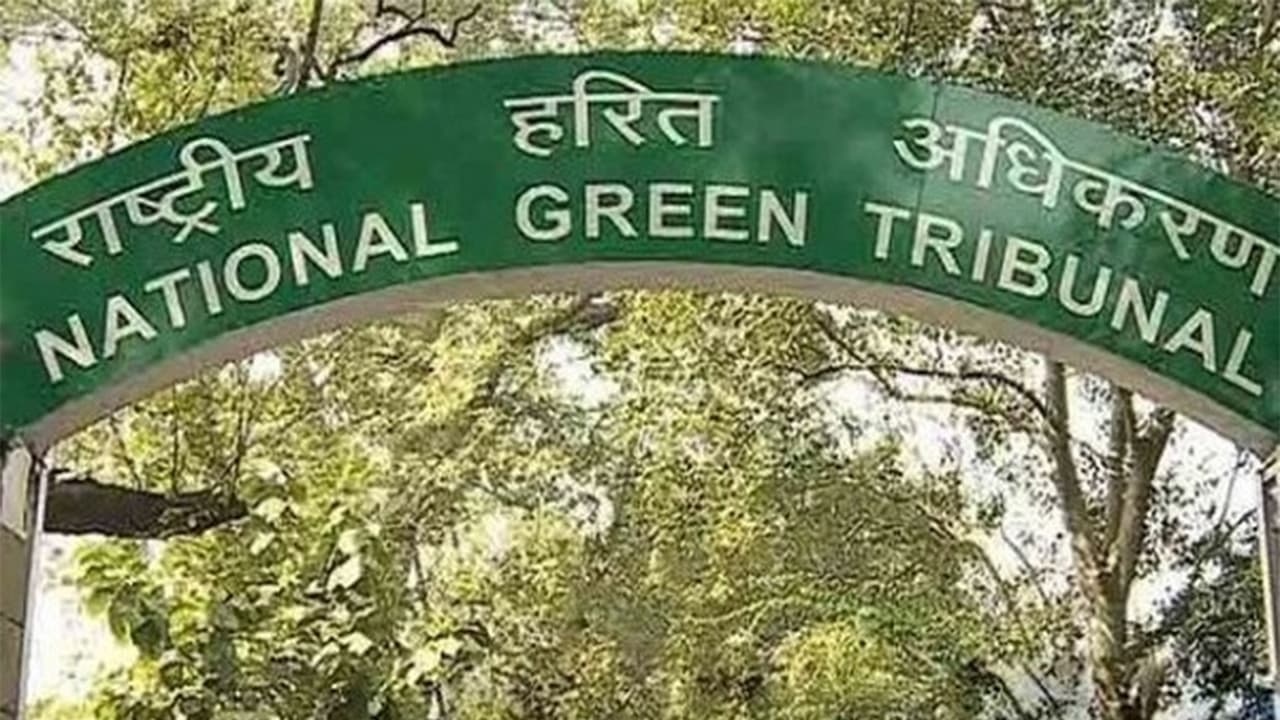
The National Green Tribunal has ordered the J&K Pollution Control Committee to provide comprehensive data on Kashmir’s wetlands, citing incomplete information regarding their actual existing area versus revenue records in a pending environmental case.
NGT Directs Fresh Report on Kashmir Wetlands
The National Green Tribunal has sought a fresh and updated report from the Jammu and Kashmir Pollution Control Committee (J&KPCC) on the condition of wetlands in Kashmir, after finding that crucial information regarding their existing area was missing from the report placed before it. The Tribunal noted that while the J&KPCC had disclosed the revenue area of the wetlands, it had failed to provide details of their actual existing area. It directed the Pollution Control Committee to obtain the missing information and present a comparative position of the revenue area and the existing area of each wetland.
The directions came while the NGT was hearing a matter concerning the protection of wetlands in Kashmir, including a news item-based case relating to the shrinking and disappearance of lakes and wetlands in Jammu and Kashmir. A bench headed by NGT Chairperson Justice Prakash Shrivastava, along with Expert Members A Senthil Vel and Afroz Ahmad, directed the J&KPCC to file the fresh report at least one day before the next hearing, scheduled for February 26, 2027.
Report Discrepancies and Data Gaps
The Tribunal noted that the J&KPCC had filed a report on October 1, 2026, providing details of 27 wetlands measuring more than one hectare and situated outside forest areas. However, the disclosure was found to be incomplete, as information from some districts was still awaited. According to the report placed before the Tribunal, information regarding the wetlands was still awaited from the Deputy Commissioners of Jammu and Kupwara. The Member Secretary of the J&KPCC informed the Tribunal that a fresh updated report would be filed after obtaining the pending information from the two districts.
Water Quality Concerns and Environmental Violations
The report also revealed concerns over the water quality of several identified wetlands. Of the samples collected from Jammu, none of the three samples met the Class B primary water quality criteria for outdoor bathing. In Samba, only two out of nine identified samples met the prescribed Class B criteria, while the sample from Kathua met the standard. In Kashmir, the report stated that four out of six wetlands tested in Kupwara did not conform to the Class B primary water quality criteria, mainly in relation to Biochemical Oxygen Demand (BOD). The Rakhi Duslipora wetland in Baramulla was also found not to conform to the prescribed criteria concerning BOD and dissolved oxygen.
The J&KPCC had also sought details of the persons, agencies or departments responsible for violations of environmental norms in wetlands that failed to meet the prescribed water quality standards, with a view to taking corrective, remedial and punitive action. The report further recorded that the Rakh-i-Daslipora wetland was not found to be existing on the spot and that proprietary land in the estate was being used for paddy cultivation. Meanwhile, the Mawasar wetland in Samba was reported to have domestic effluent as a source of pollution. Emphasising the need for complete and accurate data, the Tribunal said the J&KPCC must now provide details of the actual existing area of the wetlands and compare it with their recorded revenue area before the matter is taken up again.
(Except for the headline, this story has not been edited by Asianetnews Editorial staff and is published from a syndicated feed.)