Kashmiri potters have crafted 40,000 diyas for Diwali to revive traditional skills. While festive demand is booming, artisans face a critical clay shortage and are urging local government intervention to sustain their livelihood.
Reviving Traditional Pottery for Diwali
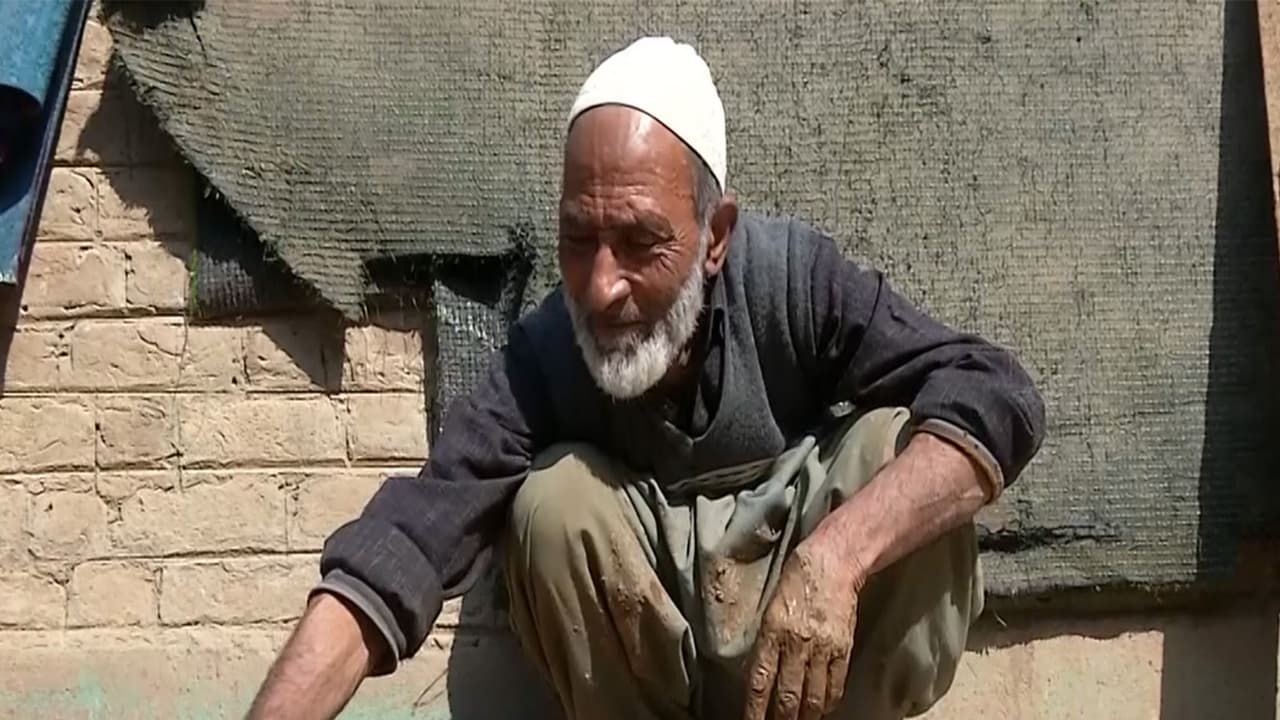
Potters in Srinagar, Jammu and Kashmir, have prepared at least 40,000 earthen diyas ahead of Diwali, combining festive demand with an effort to revive traditional pottery skills and create livelihood opportunities for local artisans. The initiative, led by local potters including young entrepreneur Mohamad Umer, proprietor of A.S. Potter Workshop, is helping bring diya-making back to Kashmir, where the lamps were previously sourced from outside the Valley.
Speaking to ANI, Umer said the workshop began making diyas in 2020-21 after receiving orders for the traditional lamps. What started with relatively small orders has gradually grown into a larger enterprise, with demand increasing over the years. “Yes, we started making diyas in 2020-21 because we didn’t make them before. When orders started coming in, we began making them too. Our orders kept growing day by day,” Umer told ANI.
He said the workshop recorded sales of at least 25,000 diyas last year and has produced around 40,000 this year to meet growing demand. “So far, we’ve sold out 12,000. There’s still time until Diwali, so we’ll see how many we sell by then. For now, we’ll keep it around 40,000,” he said.
Expanding Reach and Meeting Demand
The growing demand is not limited to Srinagar or neighbouring areas. Umer said customers from different parts of the country are placing orders, with social media platforms helping the workshop reach a wider audience. “Yes, we get orders from outside the valley too. A lot of them come in because we sell online now. We posted on Facebook, and we started getting hundreds of orders- like 200, 300, 400- just from Facebook and Instagram. We’re getting orders everywhere online,” he said.
The workshop produces diyas in several designs and sizes, including smaller lamps, varieties with stands and larger decorative pieces featuring four to five diyas together. Umer said the workshop makes three to four varieties, depending on customer requirements. Its products are purchased by local residents and are also sent to Jammu.
Addressing Challenges in the Sector
Despite the encouraging demand, Umer flagged the shortage of clay as a major challenge for potters in the region. He said access to the basic raw material has become increasingly difficult, raising concerns about the future of the traditional occupation. He explained that the workshop previously sourced clay from Baramulla for making kulhads but now struggles to obtain sufficient supplies.
“Because things are changing here in Kashmir now. I think there will be a huge shortage of potters. There’s a clay shortage here. For the kulhads, we used to bring clay from Baramulla. Now they don’t give us anything,” he said.
Call for Government Support
Umer appealed to local representatives and the Jammu and Kashmir government to address the issue, warning that the shortage could affect production and employment opportunities. “Sir, if we don’t have clay available, we won’t be able to fulfil next year’s orders. We face a shortage of clay. I appeal to the MLA and the Chief Minister about this,” he told ANI. He further stressed that ensuring the availability of clay was essential to supporting artisans and expanding employment in the sector. “If they want to increase employment, they have to supply the clay,” he said.
The preparations have also brought renewed activity to local pottery workshops, where artisans can be seen shaping clay on traditional pottery wheels and arranging large quantities of finished lamps. The initiative is providing an opportunity to sustain a traditional craft while allowing local artisans to benefit from the seasonal demand surrounding Diwali. Umer said pottery remains the workshop’s primary source of income, making the festival orders particularly important for the people involved. “This is our livelihood; we work with clay, and it’s how we make a living,” he said. He also expressed hope that the remaining diyas would be sold before the festival, as orders continue to arrive. “We’ve made 40,000 diyas, so we expect to sell them all,” Umer said. Umer added that more artisans in Kashmir have now started making diyas, whereas traders and customers previously depended on supplies brought from outside the Valley.
(Except for the headline, this story has not been edited by Asianetnews Editorial staff and is published from a syndicated feed.)