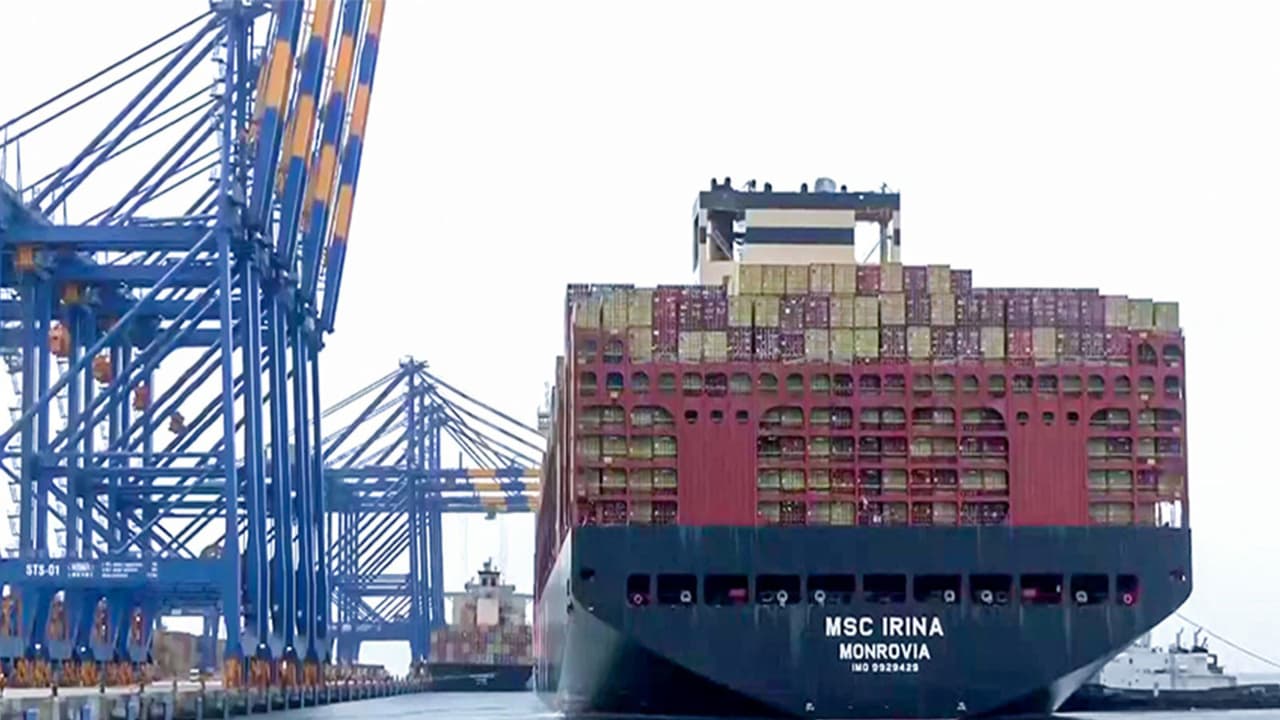
Global brokerage Jefferies indicates that reduced tensions in the Middle East could significantly benefit India’s port and logistics sector, with ports showing greater resilience than rail-based logistics during the current geopolitical conflict.
Potential Upside for Indian Logistics
A possible easing of tensions in the Middle East could provide a boost to India’s port and logistics sector, with improved trade flows supporting cargo movement and business activity, according to a report by global brokerage Jefferies. The report said that while the timing and outcome of any peace process remain uncertain, a reduction in tensions could benefit India’s ports and logistics companies. It also noted that ports have shown greater resilience than rail logistics during the ongoing Middle East tensions.
Key Beneficiaries Identified
“While the timing and outcome of any peace process remain uncertain, we see Concor, Delhivery, JSW Infrastructure (JSWI), Adani Ports (ADSEZ), and Aegis Vopak (AVTL) as potential beneficiaries of the event; Ports were more Resilient vs. rail logistics,” Jefferies said in its report.
Trade and Operational Impact
India’s trade with the Middle East stood at USD 229 billion in FY26, with petroleum, oil and lubricants (POL) accounting for a major share. Excluding POL, gems and jewellery, merchandise trade was USD 90 billion, or 11 per cent of India’s EXIM trade. The impact of the tensions has been visible in cargo movement. Indian port volumes have increased 4 per cent year-on-year since March 2026, compared with a historical growth rate of 6 per cent, while POL volumes grew 2 per cent. Container volumes, however, increased 7 per cent, supported by higher transshipment activity, which partly offset the weakness in export-import cargo movement. In contrast, Indian Railways’ container volumes declined 5 per cent, as the increase in transshipment activity has not benefited hinterland logistics, according to the report.
Jefferies said the difference in performance highlights the resilience of ports compared with rail-based logistics during the period of Middle East tensions. The report also pointed to the potential recovery in cargo movement if tensions ease. It said a normalisation of activity in the Middle East could support higher throughput and utilisation in sectors dependent on regional trade and energy flows. However, the brokerage maintained its structural preference for ports over logistics companies. Capacity additions, the government’s terminal privatisation initiatives at major ports and operational efficiencies are expected to support this growth.
Jefferies also said its estimates already factor in the sustained impact of Middle East tensions through FY27, followed by a gradual recovery in FY28. An earlier easing of tensions could therefore provide an upside to its estimates. The brokerage cautioned that the timing and outcome of any peace process remain uncertain, but said a recovery in regional trade could improve the outlook for India’s port and logistics sector.
(Except for the headline, this story has not been edited by Asianetnews Editorial staff and is published from a syndicated feed.)