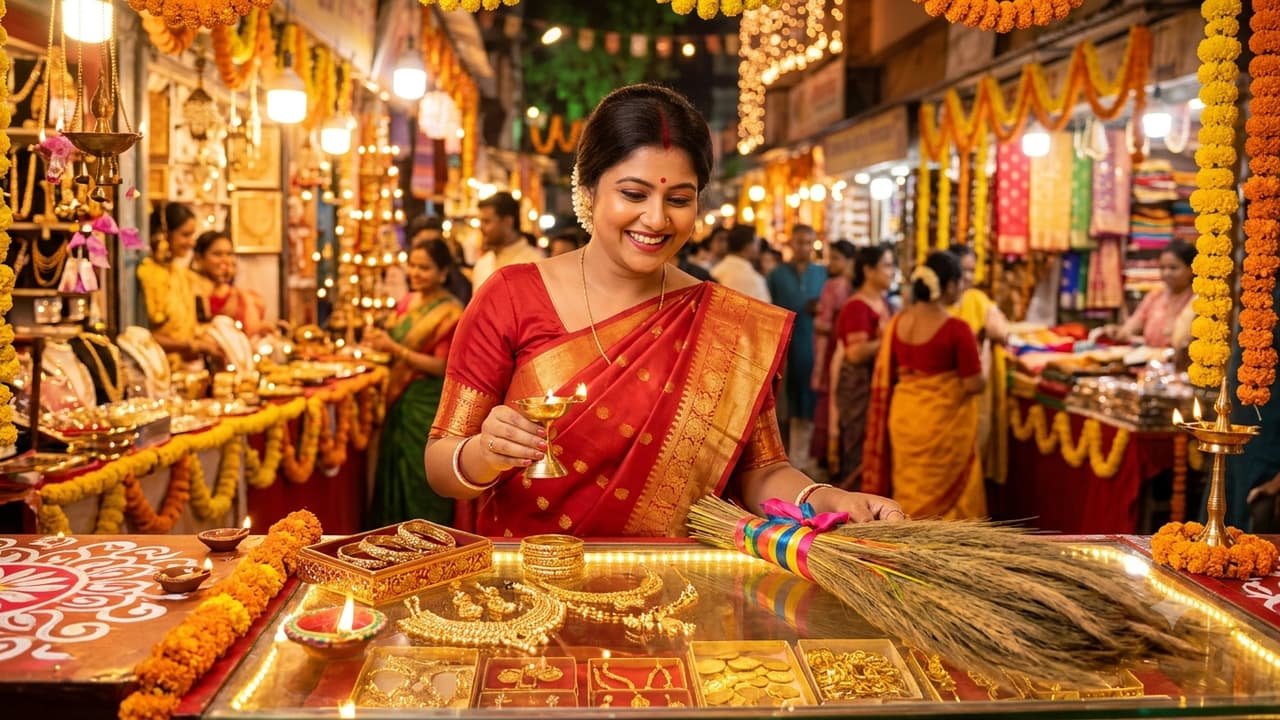
Dhanteras 2026 falls on November 6, marking the start of Diwali as buyers head out between 10:30 AM and 6:37 AM on November 7 to purchase gold, silver, and utensils for wealth and health.
Dhanteras 2026 marks the official start of the five-day Diwali festival on Friday, November 6, as families purchase gold, silver, and utensils to invite prosperity and health into their homes ahead of evening prayers to Goddess Lakshmi and Lord Dhanvantari. Dhanteras 2026 falls on Friday, November 6, marking the first day of Diwali and launching the multi-day celebration observed by millions.
Celebrated on the 13th lunar day of the waning moon phase (Krishna Paksha) in the Hindu calendar month of Kartik, the festival name derives directly from ancient language roots, with ‘Dhan’ meaning wealth and ‘Teras’ meaning thirteenth.
The auspicious buying window for 2026 begins at 10:30 AM on November 6 and extends until 6:37 AM on November 7, giving worshippers an extended period to perform ritual purchases associated with good fortune.
Auspicious Timing and Household Traditions
10:30 AM kicks off the auspicious buying window on Friday, November 6. Beyond precious metals and utensils, many households also purchase a simple broom during this timeframe. In Hindu tradition, purchasing a broom on this day symbolizes sweeping away negative energy, bad luck, and poverty from the household ahead of Diwali night, preparing the home to welcome divine blessings.
Why People Buy Utensils on This Day
According to Hindu tradition, Lord Dhanvantari, the physician of the gods, emerged during the cosmic event known as the churning of the ocean carrying a pot of sacred nectar. That pot represents health, healing, and rejuvenation. Buying new brass, copper, or steel utensils on Dhanteras honours his arrival and symbolises bringing physical wellbeing, vitality, and nourishment into the household.
Legend Behind Gold and Silver Purchases
Gold and silver carry deep spiritual significance alongside financial value during the festival. A well-known legend tells of King Hima’s young son, who was fated to die of a fatal snakebite on his wedding night according to his horoscope.
To protect him, his newlywed bride placed piles of shiny gold and silver ornaments at the bedroom doorway alongside lit lamps and kept her husband awake with songs and stories. Yamraj, the god of death, arrived in the form of a serpent but was blinded by the brilliant metallic glare of the treasures and lamps. Unable to enter the room, Yamraj sat atop the metals until morning before quietly leaving. Because the shiny metals saved the prince’s life, gold and silver purchases on Dhanteras are believed to protect homes from harm and untimely death.
What Happens Next in the Festival
Shoppers will complete their traditional purchases before evening worship dedicated to Goddess Lakshmi and Lord Kubera on November 6. Devotees light lamps and offer prayers to seek wealth, stability, and spiritual wisdom for the coming year.
The rituals performed on Friday mark the start of Diwali celebrations across India and worldwide, continuing with festive prayers, family gatherings, and lightings through the weekend.