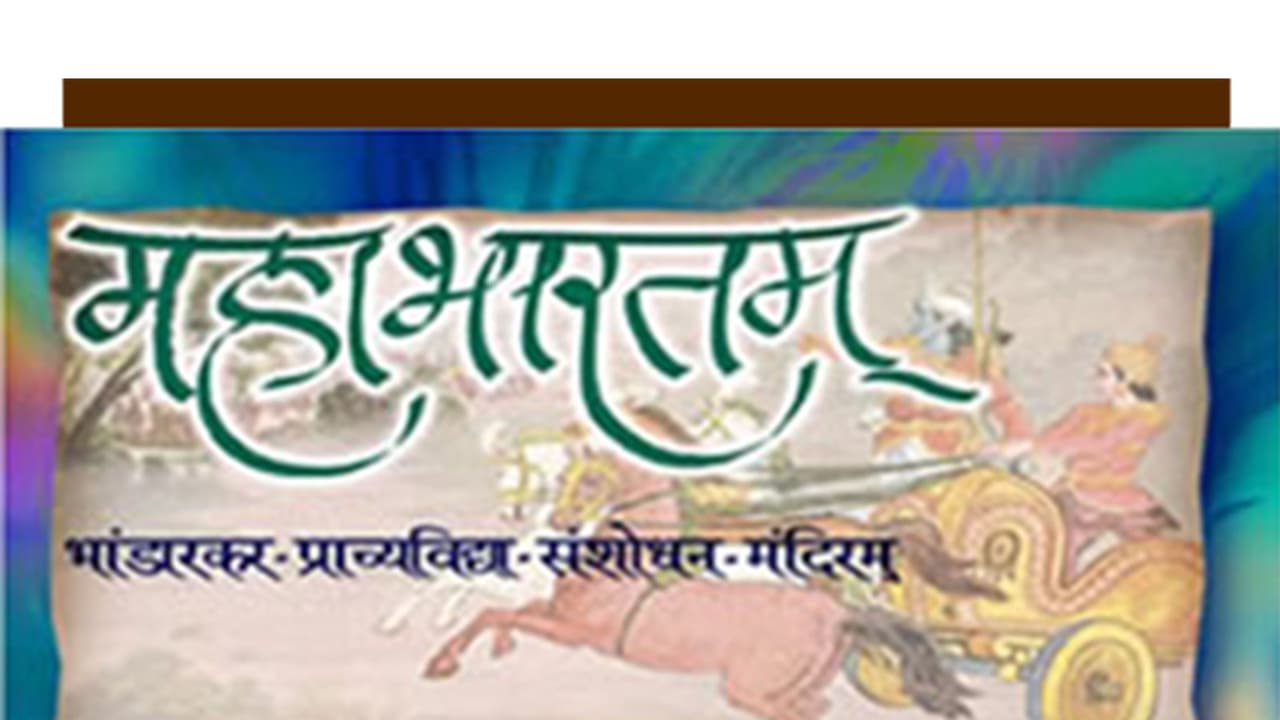
UNESCO has added India’s Rajatarangini, Mahabharata, and Arthashastra to its Memory of the World Regional Register, honoring the country’s profound historical, philosophical, and statecraft traditions on the global stage.
UNESCO Inscribes Indian Classical Works
In a significant international recognition of India’s civilisational heritage and intellectual traditions, three of its most important classical works – Kalhana’s 12th-century historical chronicle ‘Rajatarangini’, the ‘Mahabharata’, one of the greatest epics of Indian civilisation, and Kautilya’s ‘Arthashastra’, an authoritative work on governance and statecraft – have been inscribed in UNESCO’s Memory of the World Regional Register for Asia and the Pacific (MOWCAP). As per the Ministry of Art and Culture, “The decision was taken at the 11th Session of the MOWCAP Register held in Jakarta, Indonesia. With this recognition, India’s historical, literary, philosophical and political thought receives wider international acknowledgement, taking the country’s total number of inscriptions in the Regional Register to six.”
The development was announced by Dr Sachchidanand Joshi, Member Secretary, Indira Gandhi National Centre for the Arts (IGNCA), which played an important role in preparing the nomination dossiers for all three works. The inclusion of these works in an international register is not merely a recognition of three ancient texts; it is also a recognition of India’s knowledge traditions, which have, over centuries, contributed to human understanding of history, ethical values, philosophy, Dharma and good governance. These three works represent different yet significant dimensions of India’s intellectual heritage.
Details of the Inscribed Works
‘Rajatarangini’ holds a distinctive place in the tradition of Indian history writing. Composed in the 12th century, the work presents a chronological account of the rulers of Kashmir, political developments and the region’s social and cultural life. Its method of recording history through evidence, traditions and critical inquiry makes it an invaluable contribution to Indian historiography.
The Mahabharata is one of the great epics of Indian civilisation, with a relevance that extends beyond the boundaries of time and geography. It is not merely the account of a great war, but a wide-ranging exploration of Dharma, duty, justice, power, human relationships and the fundamental questions of life. Its enduring values and philosophical reflections make it an important part of South Asia’s shared cultural memory and the intellectual heritage of humanity.
Kautilya’s Arthashastra is an important work on governance, statecraft, economic policy, diplomacy, administration and strategic affairs. It reflects the political and administrative vision of ancient India and its well-developed understanding of statecraft. Its ideas continue to provide valuable insights into the study of governance and the functioning of the state.
Significance of UNESCO Recognition
The inclusion of these three works in UNESCO’s Regional Register recognises India’s historical memory, its understanding of Dharma and its rich tradition of statecraft at the international level. With this latest recognition, the total number of Indian inscriptions in the Regional Register has increased to six.
Under the leadership of Prime Minister Narendra Modi, the Gyan Bharatam Mission is an important initiative for the preservation, promotion and digitisation of India’s manuscript heritage. The mission aims to identify, conserve and digitise the country’s vast manuscript collection and make it accessible to future generations. It also seeks to take India’s knowledge traditions to younger generations and the global community through the use of modern technology.
This UNESCO recognition reflects the fact that India’s cultural and intellectual heritage is not limited to any particular period or geographical region; it is a shared heritage of humanity. Through Rajatarangini, Mahabharata and Arthashastra, three important dimensions of Indian thought – history, Dharma and philosophy, and statecraft – have become part of global memory. This recognition is a matter of pride for India’s civilisational continuity, its rich knowledge traditions and its contribution to the world. (ANI)
(Except for the headline, this story has not been edited by Asianetnews Editorial staff and is published from a syndicated feed.)