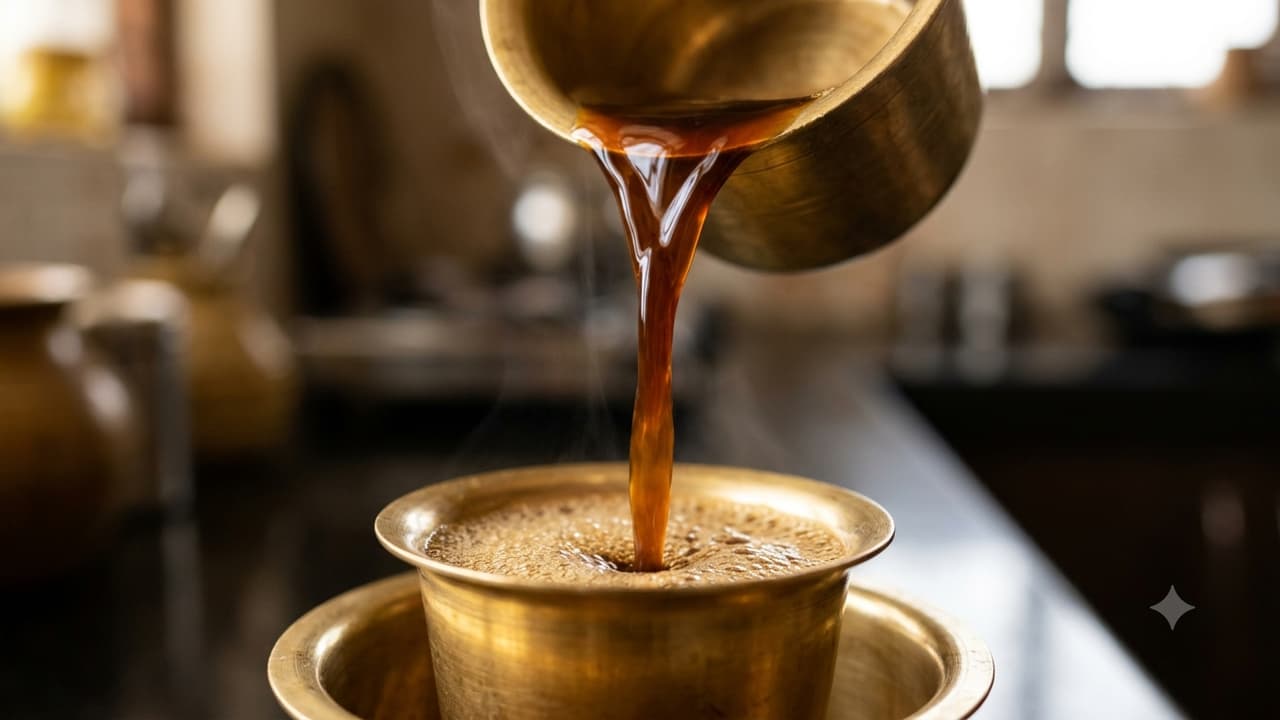
Tea and coffee prices have increased by ₹3 to ₹5 at Karnataka’s hotels, darshinis and petty shops following the latest milk price hike, leaving students, working professionals and middle-class consumers disappointed.
A cup of filter coffee at a neighbourhood darshini or a glass of steaming hot tea at a roadside stall has long been an affordable everyday pleasure for people across Karnataka. For many, it is an essential part of the morning routine, a quick break between work commitments or a refreshing pause during a hectic day. However, this familiar comfort is increasingly becoming expensive, with hotels, darshinis and petty shops raising tea and coffee prices by ₹3 to ₹5 following the latest milk price revision.
The latest increase has left regular consumers disappointed, particularly students, working professionals and middle-class families who depend on small eateries for their daily refreshments. With milk prices rising by ₹8 per litre and curd becoming costlier by ₹14 per litre, eateries say they have little choice but to pass on the additional costs to customers. A cup of coffee that previously cost ₹20 is now being sold for ₹25 at some outlets.
The development comes just months after hotels and small eateries revised beverage prices amid rising LPG costs and concerns over gas supplies. For consumers already adjusting their monthly budgets to manage increasing household expenses, another round of price hikes has made even an inexpensive daily indulgence harder to afford.
Daily Coffee And Tea Habits Become More Expensive
For many people, tea and coffee are not occasional purchases but an integral part of their everyday routine. Those working extended hours, attending events or managing demanding schedules often depend on multiple cups to stay alert and get through the day.
Photographer and theatre artist Sharath K says repeated price increases are forcing regular consumers to reconsider how much they spend on their daily beverages.
“As we work odd hours, especially around events and gigs, coffee and tea are what keep us going. After the earlier hike this year, we had already begun sharing one cup between two people. Now, with a cup costing ₹25, it is getting harder for those of us who rely on several cups a day. Even a simple coffee break has become an expense we have to think twice about,” he told TOI.
The rising costs are particularly concerning for middle-class consumers, for whom small, frequent expenses can gradually add up. While an additional ₹5 may seem insignificant for a single purchase, spending that amount several times a day can make a noticeable difference to monthly budgets.
Consumers Consider Switching To Black Coffee And Tea
The price revision is also prompting some customers to reconsider their beverage preferences. Those who regularly visit darshinis for meals and refreshments are now exploring cheaper alternatives to keep their daily expenses in check.
Tech professional Chethan KM, who lives away from his family, says the higher prices could encourage people to switch to black coffee or black tea.
“I usually have coffee at least twice a day. Since I live away from my family, darshinis are where I end up having most of my meals and beverages. But paying ₹25 for a regular cup of coffee no longer seems worth it. Switching to black coffee or black tea is probably a more convenient and economical option. It could also be a healthier alternative, depending on how much sugar and milk one consumes,” he told The TOI.
For people who depend on affordable eateries for their everyday meals and beverages, such changes reflect how rising prices are influencing even routine spending decisions.
Students Worried As Tea And Coffee Prices Rise
Students are another group feeling the impact of the latest revision. During examinations, assignment submissions and project deadlines, many rely on frequent cups of tea and coffee to stay awake and manage long study hours.
Engineering student Pavan D says the increase has extended beyond established hotels and darshinis, with neighbourhood petty shops also revising their prices.
“During exams, assignments and project submissions, there are days when tea and coffee are almost all we survive on. We end up having several cups just to stay awake and get through the workload. Now, it is not just darshinis but even small petty shops that have raised the price of tea and coffee by ₹5. It may seem like a small amount, but when you are a student buying multiple cups every day, it adds up. It is an inconvenience,” he told the media.
For students managing expenses on limited allowances, the increase means either spending more on everyday refreshments or cutting down on purchases. The situation has added to concerns among regular consumers who feel that affordable options are gradually becoming less accessible.
Bengaluru, Hotels Association Cites Rising Milk Prices
The Bengaluru Hotels Association had flagged the impact of the milk price revision in a press statement issued on October 29, stating that hotels would find it difficult to absorb the additional costs without revising menu prices.
The association said that if the increase had been limited to ₹2 to ₹3 per litre, there would have been no need to revise the prices of coffee, tea or snacks. However, the steep hike has made it difficult for establishments to maintain existing rates.
“If the increase had been limited to ₹2-3 per litre, there would have been no need to increase the prices of coffee, tea or snacks in hotels,” the association said in its statement. It added that the higher milk prices would make it necessary to revise the rates of several food and beverage items prepared using milk.
Association president PC Rao said the increased input costs were putting additional pressure on hotel operators, leaving them with little choice but to pass on the additional burden to customers.
He also pointed out that the prices of milk-based products such as ghee, butter, paneer and cheese could rise in the coming days. Hotels are already reporting irregular supplies of ghee, adding to the challenges faced by the hospitality sector.
Middle-Class Consumers Bear The Brunt Of Repeated Price Hikes
While hotels cite rising operational expenses as the reason for revising prices, customers say repeated increases are making everyday purchases increasingly difficult to manage. For middle-class families, salaried employees and students, even small price revisions can have a cumulative impact, particularly when they come alongside increases in other household expenses.
From household milk bills to the cost of a quick breakfast and an evening cup of coffee, rising prices are gradually changing everyday spending habits. What was once considered an affordable refreshment at a neighbourhood darshini is now becoming another expense that consumers have to account for in their daily budgets.
With tea and coffee prices increasing once again, regular customers are disappointed that even their simplest daily comforts are no longer as affordable as they used to be.