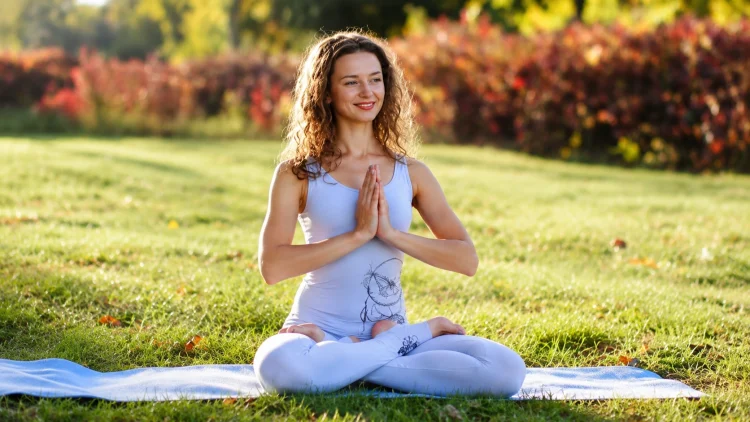
Bhramari Pranayama is a traditional yoga breathing technique that involves making a soft, buzzing sound while breathing out. The word ‘Bhramari’ comes from the Sanskrit word for a bee, reflecting the humming noise produced during the practice. As the sound continues, practitioners may notice gentle vibrations around the face, head and nasal area. The technique is commonly used as part of relaxation routines and is believed to support mental calmness and concentration. Neurosurgeon Dr Prashank Katkol recently discussed its possible effects on the nose and sinuses in an Instagram post, drawing attention to research on humming and nitric oxide levels in the nasal passages.
What Does Research Say About Humming and Nasal Health?
Humming is more than simply producing a sound while breathing out. Research has examined whether the vibrations created during humming can influence the movement of air and gases within the nasal passages.
A study published in 2002 by researchers Eddie Weitzberg and Jon Lundberg from Sweden’s Karolinska Institute examined nitric oxide levels in the nasal airways of healthy adults. The research found that humming increased nasal nitric oxide levels by approximately 15 times compared with normal, quiet exhalation. The findings were published in the American Journal of Respiratory and Critical Care Medicine under the title ‘Humming Greatly Increases Nasal Nitric Oxide’.
Nitric oxide is a naturally occurring molecule in the body. It plays several roles in physiological processes, including helping blood vessels relax and widen. The increase observed during humming has attracted interest because nitric oxide is also involved in the functioning of the respiratory system. However, an increase in nasal nitric oxide during humming should not be interpreted as proof that the practice can treat sinus infections, clear blocked sinuses or cure respiratory conditions.
How Bhramari May Help With Relaxation
Bhramari Pranayama is traditionally practised to encourage a calm and focused state of mind. The combination of slow breathing, controlled exhalation and a steady humming sound can make people more aware of their breathing pattern. This may help some practitioners feel relaxed, particularly when the exercise is performed in a quiet environment without rushing.
The vagus nerve is also discussed in connection with breathing and relaxation. It forms part of the parasympathetic nervous system, which is involved in functions such as slowing the heart rate and supporting the body’s rest-and-digest response. Slow breathing practices may influence relaxation responses, although the effects can vary from person to person.
Research on breathing exercises, including Bhramari, has explored possible changes in stress-related measures such as heart rate, blood pressure and cortisol. These findings are an area of ongoing interest, but they do not mean that humming alone can replace medical treatment or guarantee improvements in these measurements.
How to Practise Bhramari Pranayama at Home
Beginners can start with a few comfortable rounds rather than attempting a long session immediately. Choose a quiet, well-ventilated place where you can sit without interruption. A comfortable posture is more important than forcing yourself into a particular yoga position.
Follow These Simple Steps
- Sit comfortably on the floor in Sukhasana, Padmasana or Vajrasana. You can also sit upright on a chair if sitting on the floor is uncomfortable.
- Gently close your eyes and relax your shoulders and facial muscles.
- Take a slow, comfortable breath in through your nose.
- Close your lips gently and begin breathing out slowly while producing a soft ‘mmm’ humming sound.
- Keep the sound steady and comfortable until you have naturally finished exhaling. Avoid forcing the breath out.
- Pay attention to the gentle vibrations around your face and head.
- Pause briefly, breathe normally and repeat the process.
Start with three rounds and gradually increase to five or ten repetitions if the practice feels comfortable. Some people may choose to practise for two to three minutes over time. There is no need to make the humming sound excessively loud or hold the breath.
Precautions to Keep in Mind
Bhramari should feel gentle and comfortable. Stop if you experience dizziness, breathlessness, discomfort or pressure in your ears. People with existing ear, nasal or respiratory conditions should seek medical advice if they are unsure whether the exercise is suitable for them. Avoid practising through force or treating it as a substitute for prescribed medication.
The technique can be included in a broader yoga or relaxation routine, but its benefits should be understood realistically. Research on humming and nasal nitric oxide offers an interesting explanation for some of its effects, while further evidence is needed to establish its role in managing specific health conditions.