The demands of managing both departments in modern cricket have not been kind to fast-bowling all-rounders, who have become increasingly susceptible to injuries.
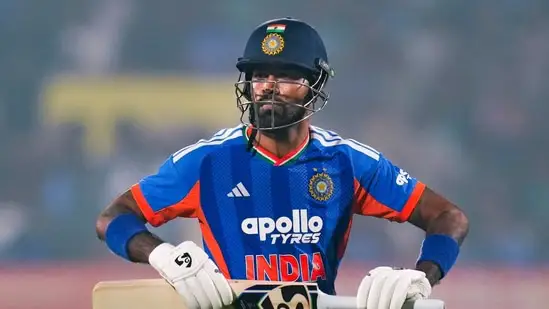
India’s Hardik Pandya is the latest example, having been out of action since the final week of the 2026 edition of the Indian Premier League, with recurring injuries and rehabilitation setbacks delaying his return to international cricket.
While concerns about Hardik’s eventual return continue to dominate discussions, head coach Gautam Gambhir has been firm on one aspect: “He cannot bowl 10 overs now… so we don’t want to push him into international cricket.” Former South Africa all-rounder Lance Klusener shares that view.
Klusener, head coach of Abu Dhabi T10 side Arabian Aces, did not address Hardik’s fitness directly when he spoke to Hindustan Times. However, his views on workload highlight the challenges facing fast-bowling all-rounders.
“There’s no getting away from bowling overs and building bowling fitness as a fast-bowling all-rounder,” he said. “Too much time in the gym or too much time away from bowling isn’t necessarily the healthiest approach. It might look good on paper, but there’s no better preparation for bowling than actually having overs under your belt.”
Like Hardik, Australia’s Mitchell Marsh has battled recurring back problems, and eventually gave up bowling. Former England cricketer Ben Stokes battled recurring knee and hamstring injuries, while Australia’s Cameron Green underwent surgery for a lumbar stress fracture in 2024.
The 1999 ODI World Cup hero, who played 220 international matches for South Africa, scoring 5,482 runs and picking up 272 wickets, believes bowling should take precedence for fast-bowling all-rounders, as it helps their bodies adapt to the physical demands of the discipline.
“All-rounders shouldn’t shy away from doing their bowling workload and then getting their batting done as well. The more you bowl, the fitter and stronger you become, and the more accustomed your body gets to resisting bowling-related injuries,” he added.
Hardik was expected to return to action during an India A one-day series in late September, but a shin injury delayed his comeback. He had earlier suffered back spasms during the IPL, followed by a leg strain at the Centre of Excellence (CoE) ahead of the ODI series against Afghanistan in June.
Once declared fit, Hardik’s next step will be to play domestic cricket, with the Syed Mushtaq Ali Trophy and Vijay Hazare Trophy coming up, to prove his match readiness. India ODI captain Shubman Gill confirmed as much on Tuesday.
In Hardik’s absence, India have invested in Nitish Reddy. He has played six ODIs this year, scoring 82 runs and picking up just three wickets. The selectors included him in the squad for the ODI tour of New Zealand, but he was not part of the playing XI for the opening game in Auckland on Wednesday.
‘Stay in the game every single ball’
Arabian Aces, led by Moeen Ali, will make their debut in the Abu Dhabi T10 League this year, with the tournament getting underway on November 7 at the Zayed Cricket Stadium. Klusener wants his players to remain switched on for every delivery.
“The key message is to stay in the game every single ball,” Klusener said. “There are only 60 balls in an innings, and most matches go down to the last over. Saving a run here and there can make all the difference in those final couple of overs.”
Having coached in the league before, Klusener described T10 as “a pretty unique format”, with fours, sixes, catches, drops and run-outs all packed into “an hour and a half”.
Co-owner Pankaj Jain said the ambition is “to build a competitive franchise that plays fearless, entertaining cricket and establishes a strong identity both on and off the field”. The franchise is owned by a consortium led by Pankaj and Neeraj Jain.