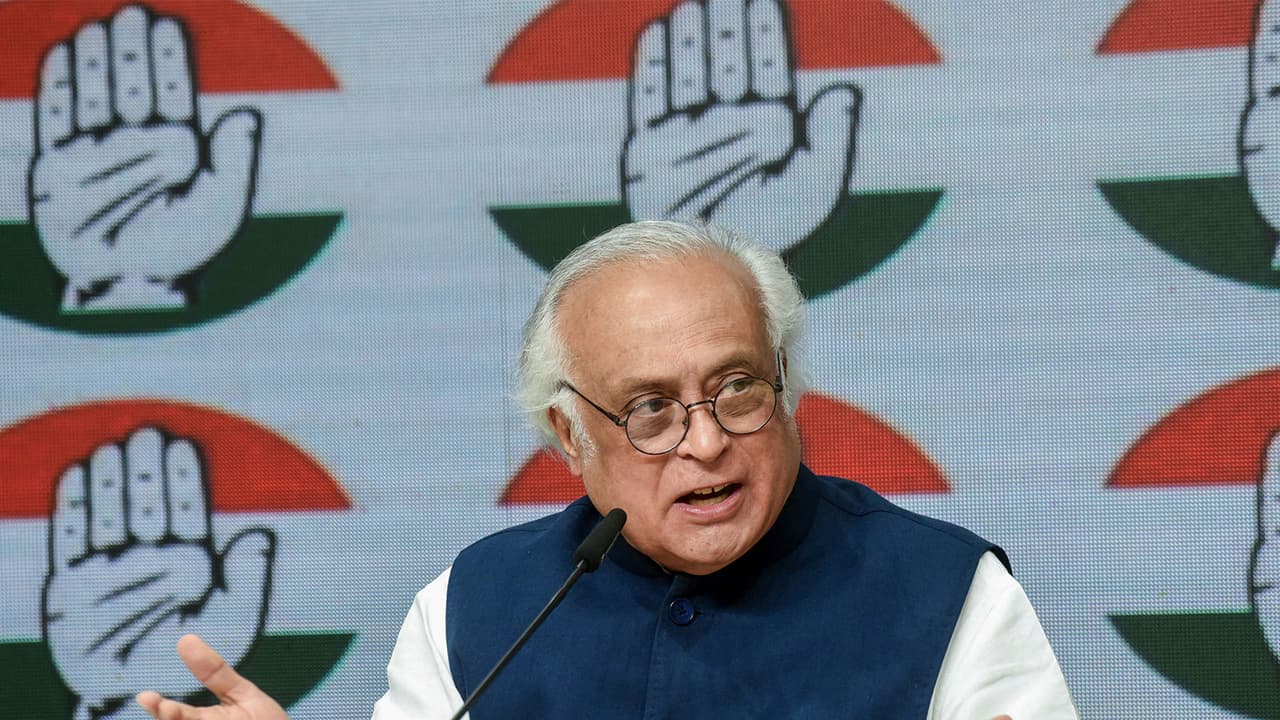
Jairam Ramesh opposes the One Nation One Election proposal, warning that it undermines democratic accountability, citing US midterm results as a model for holding governments responsible for their legislative and administrative actions.
Jairam Ramesh Critiques Proposed Election Framework
Senior Congress leader and MP Jairam Ramesh on Wednesday criticised the Centre’s proposed One Nation One Election (ONOE) framework, arguing that simultaneous elections would significantly weaken the ability of polls held between general elections to enforce accountability on the government. Drawing a comparison with the outcome of the US midterm elections, Ramesh said the results demonstrated the importance of midterm polls in holding elected governments accountable and alleged that the institutional balance at the core of a constitutional democracy had been “dangerously disturbed” in India since 2014.
In a post on X, Ramesh wrote, “The US mid-term elections have delivered a stunning verdict and decisively rejected President Trump.” “Personalities aside, the results demonstrate the power of mid-term polls to enforce accountability. In our own country, the ONOE—One Nation One Election-idea that is being advocated by the Modi Govt will significantly blunt that instrument, he wrote further. “The US mid-term elections have also restored institutional balance that is at the very core of a constitutional democracy. That balance has been dangerously disturbed in India since 2014,” he added.
US Midterm Elections and Democratic Impact
The US midterm election results have strengthened the Democratic Party’s position in Congress, giving it greater scope to challenge President Donald Trump’s legislative agenda and intensify scrutiny of his administration during the remaining two years of his presidency. According to Fox News data, four key voting blocs – young people, independents, rural voters and Hispanic voters – pivoted away from the GOP in substantial numbers.
Voter dissatisfaction was heavily fuelled by economic friction, including inflation and Trump’s tariff policies, alongside blowback over the ongoing conflict involving Iran. This widespread voter realignment enabled Democrats to pierce traditionally steadfast Republican strongholds, securing a Senate seat in South Carolina and a historic victory in Kansas that broke nearly a century of conservative dominance, mirroring the monumental win in Texas, which had not voted Democrat since 1994.
Key Issues Influencing Voter Sentiment
CNN reported that voters also weighed concerns regarding presidential conduct and perceptions of personal enrichment as central issues at the ballot box. The blue wave even broke through nearly 100 years of Republican dominance in Kansas, winning the Senate seat. CNN reported that the voters appear to have considered inflation, Trump’s tariffs, the Iran war, and voters’ concerns about Trump’s conduct and self-enrichment. The projected victories mark a significant setback for Republicans and could reshape the legislative and oversight agenda during the remaining two years of Trump’s presidency.
(Except for the headline, this story has not been edited by Asianetnews Editorial staff and is published from a syndicated feed.)