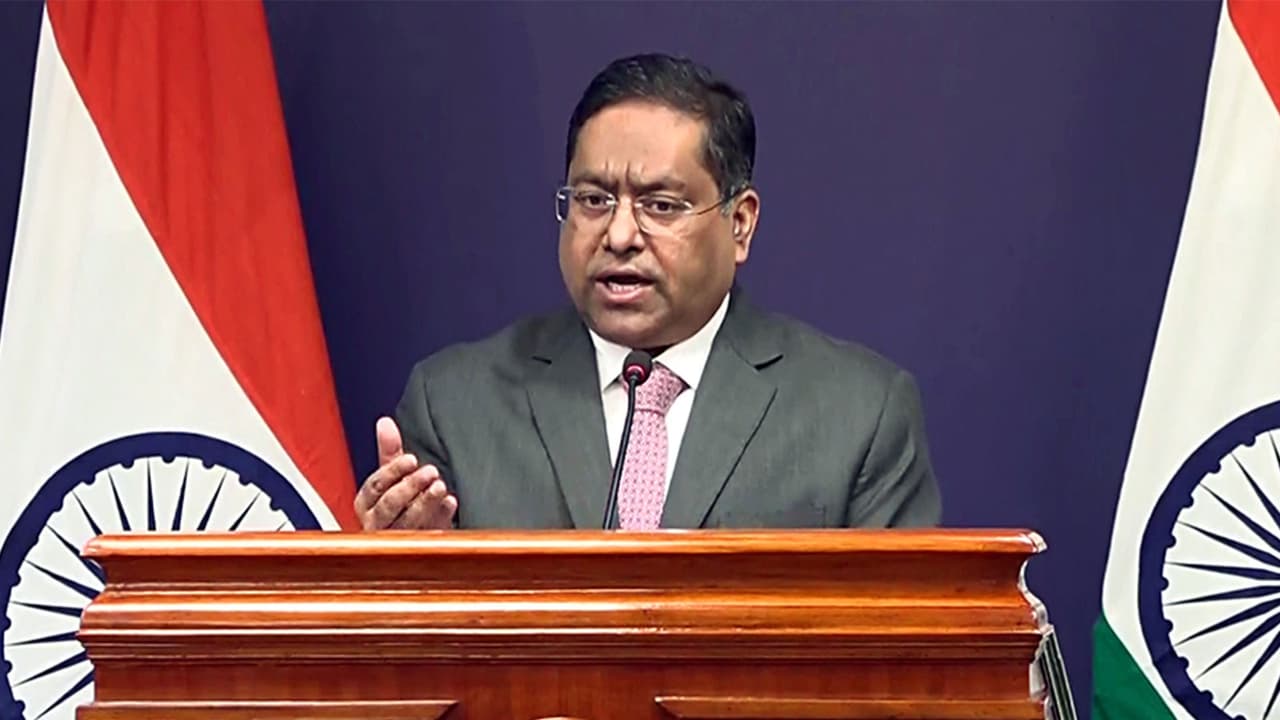
India is actively engaging with Uzbekistan to ensure Indian students receive quality medical education and are protected from exploitation, while urging compliance with National Medical Commission guidelines for foreign medical admissions.
Government Focus on Student Welfare in Uzbekistan
India continues to engage with Uzbekistan over issues concerning Indian students pursuing education in the country, with the government focused on ensuring quality medical education and protecting students from exploitation by “unscrupulous elements”, Ministry of External Affairs (MEA) spokesperson Randhir Jaiswal said on Tuesday. Addressing queries during the MEA’s bi-weekly press briefing, Jaiswal highlighted concerns over the exploitation of students and said it was important to ensure that those travelling to Uzbekistan for medical and other studies are not misled or exploited by unscrupulous individuals in either country. “It is also important to ensure that Indian students headed to Uzbekistan for medical studies or other studies are not exploited by unscrupulous elements both here in India as also in Uzbekistan,” he added.
Responding to a question about reports of a decline in the number of Indian students and medical aspirants travelling to Uzbekistan, from around 2,000 to 200, Jaiswal said that New Delhi continues to engage with the Uzbek authorities on matters concerning Indian students. “We continue to engage with the Uzbeki side as far as issues pertaining to Indian students are concerned,” he said.
Advisories and Quality Assurance
The MEA spokesperson also referred to advisories issued by the Indian Embassy in Tashkent and the National Medical Commission (NMC), which have outlined guidelines and precautions for students seeking admission to foreign medical institutions, including universities in Uzbekistan. “You would have seen some of the advisories that we have issued … the Embassy in Tashkent, as also we have advisory issued by the National Medical Commission giving certain guidelines or giving certain advisory to students who wish to pursue education not just in Uzbekistan, but at several other places. Please do have a look at the advisories that have been issued,” Jaiswal said. He stressed that the government wants to ensure that Indian students travelling to Uzbekistan for higher education, particularly medical studies, receive quality education in accordance with the NMC’s guidelines. “I just want to say that government remains focused on ensuring that Indian students who are headed to Uzbekistan to pursue education, including medical education, must receive quality education. And quality education, quality medical education such that they comply with the guidelines of the National Medical Commission, which is a body here in India,” he said.
Guidelines for Medical Aspirants
Jaiswal also urged students and parents to carefully examine the advisories issued by Indian authorities before making decisions regarding admission to foreign medical institutions. In an advisory issued on April 1, the National Medical Commission cautioned Indian students seeking admission to medical colleges in Uzbekistan, citing concerns raised by the Indian Embassy in Tashkent about the quality of education and alleged malpractices by agents facilitating admissions. The advisory named Bukhara State Medical Institute, Samarkand State Medical University, Tashkent State Medical University and TIT Institute of Medical Sciences in Bangalore, an offshore campus linked to Tashkent State Medical University’s Termez Branch. The NMC raised concerns that some colleges were admitting more students than their permitted capacity, which could affect the quality of education. It also flagged reports that Indian students were facing difficulties in receiving practical training due to language barriers, as the medium of instruction was reportedly not English. The Commission advised students to carefully check the university and course details before taking admission. It said students must ensure that their medical course meets India’s requirements, including at least 54 months of study at one institution, followed by a 12-month internship at the same university. The course must also be taught in English and include the required clinical training and subjects. The NMC warned that students who fail to meet these requirements may not be eligible to register as doctors in India after completing their medical degrees. It also urged students and parents to verify the credentials of universities before paying fees, avoid unauthorised admission agents and seek guidance from the NMC or the Indian Embassy before making admission decisions.
(Except for the headline, this story has not been edited by Asianetnews Editorial staff and is published from a syndicated feed.)