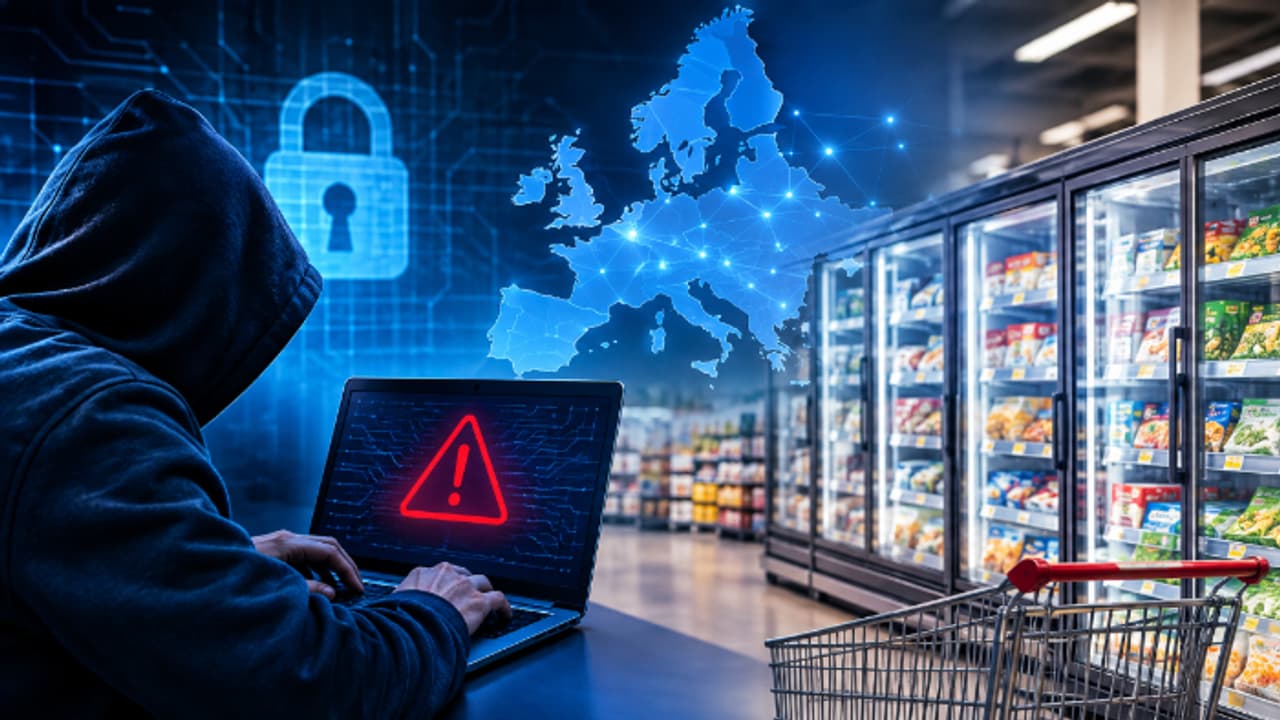
A wave of suspected cyberattacks has disrupted supermarket refrigeration systems across Europe, spoiling food and raising concerns about vulnerable connected devices. Investigators are still searching for those responsible
A fresh wave of suspected cyberattacks has disrupted refrigeration systems at supermarkets across Belgium, Estonia, Ireland, Finland, Luxembourg, the Netherlands and Sweden.
Retailers including Carrefour, Intermarché, Ikea, Coop, ICA, Delhaize, Kesko and SuperValu reported problems with their cooling systems. In some stores, temperatures reportedly climbed to 50°C (122°F), forcing staff to remove perishable goods and discard spoiled food.
The incidents follow a major cyberattack in France on October 12, when hackers manipulated refrigeration systems at hundreds of supermarkets, resulting in substantial food losses.
The latest disruptions have raised concerns about the security of Europe’s food supply chain, with the European Union warning that such attacks could undermine consumer confidence.
Who Is Behind the Attacks, and What Is the Motive?
No hacker group has claimed responsibility, and investigators have yet to identify the perpetrators. The absence of ransom demands has also made it difficult to establish whether the attacks were financially motivated.
Cybersecurity experts have identified two possible explanations: a lone hacker acting independently or a state-linked group seeking to demonstrate its capabilities and disrupt essential services.
Some analysts suspect a politically motivated operation, potentially involving actors linked to Russia or China. However, these remain theories, and no government has been officially blamed.
The attacks could also be intended to create public anxiety by targeting something people rely on every day: access to fresh food.
Why Connected Refrigeration Systems Are Vulnerable
Modern commercial refrigeration systems increasingly rely on internet-connected software that allows businesses to monitor temperatures and manage equipment remotely. However, this convenience can create cybersecurity risks.
Many refrigeration controllers run outdated software, and installing security updates can be difficult because systems may need to be taken offline during maintenance. Some operators may also underestimate the risks associated with equipment traditionally viewed as ordinary machinery rather than critical digital infrastructure.
In Sweden, some refrigeration units reportedly used 4G connections, while other affected systems were linked to manufacturers whose equipment had previously been targeted.
Experts say retailers can reduce their exposure by updating software, securing remote access and identifying internet-facing devices. The incidents highlight a broader challenge: as everyday infrastructure becomes connected, cybersecurity must extend beyond computers and smartphones.