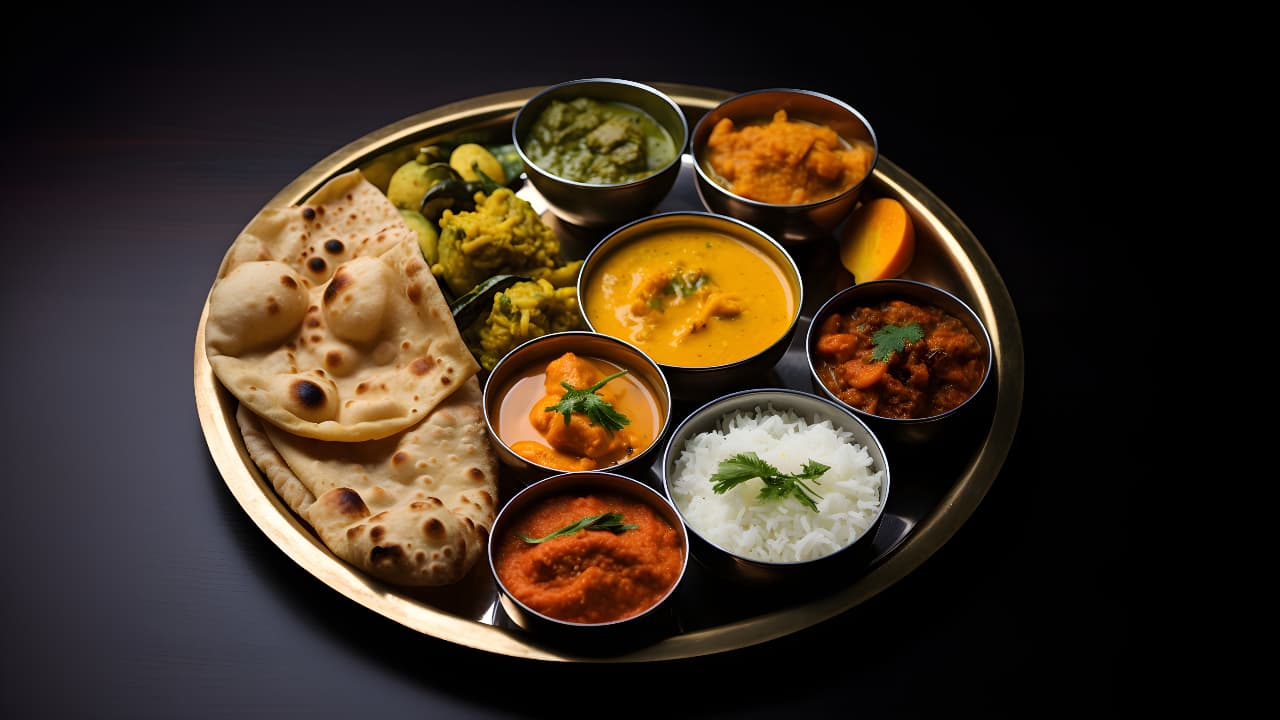
Hotels, restaurants and catering businesses in Mangaluru may increase food prices by 5-10% amid rising milk, rice, pulses, vegetable and fuel costs. Industry representatives say establishments may revise rates to manage increasing operating expenses.
Hotels, restaurants and catering establishments in Mangaluru are facing mounting pressure from rising food ingredient prices, milk costs, fuel expenses and other operational overheads. With the prices of essential commodities such as rice, pulses and vegetables continuing to increase, food businesses are considering revising their menu rates to manage expenses. The ₹8 per litre increase in Nandini milk prices, which came into effect on November 1, has added to the burden, prompting hotel industry representatives to discuss possible price revisions. Overall food prices could increase by 5-10%, depending on the establishment and its operating costs.
The Dakshina Kannada Hotels and Restaurants Association (DKHRA) is expected to discuss the impact of rising expenses, with some establishments considering menu price increases of around 10%. However, there is unlikely to be a uniform revision across hotels, as individual establishments will decide on price changes based on their existing rates and cost structures.
Rising Food And Operating Costs Put Pressure On Mangaluru Hotels
DKHRA president Kudpi Jagadish Shenoy said the association would discuss the impact of increasing input costs at a meeting. He indicated that hotels may consider raising menu prices by around 10% to offset the additional expenses.
According to Shenoy, the increase in Nandini milk prices, along with rising grocery costs, has added to the financial pressure on hotel businesses. The association had also discussed a possible menu price revision during the previous round of milk price increases, but the proposal was not implemented at the time.
DKHRA secretary Devi Prasad said there would be no uniform price revision across establishments. Individual hotels would decide whether to increase their rates based on their operating expenses and existing menu prices.
He pointed out that tea and coffee prices vary across establishments. While some hotels charge ₹20-25, others charge ₹35-40. This leaves limited scope for significant increases at establishments that already charge higher rates, while those offering beverages at lower prices may have to consider revising their rates.
Rice, Pulses, Onion And LPG Prices Add To Expenses
Apart from milk, the rising cost of essential food ingredients is adding to the challenges faced by hotels and restaurants.
Prasad said the prices of toor dal and urad dal had increased from around ₹120-130 per kg to approximately ₹150 per kg. Onion prices had also risen from ₹20 to ₹50-53 per kg and had remained at that level for nearly three months.
Rice prices have also witnessed a significant increase, climbing from ₹50-52 per kg to around ₹85 per kg. Some varieties are expected to touch ₹100 per kg, further increasing the cost of preparing meals.
The possibility of a ₹200-300 increase in LPG prices could add to the burden on food businesses. Higher fuel costs, along with rising ingredient prices, are making it increasingly difficult for establishments to maintain existing menu rates.
Hotels Face Pressure After Festive Season
Many hotels had held back from increasing food prices during October to avoid placing an additional burden on customers during the festive season. However, businesses are now facing pressure from rising expenses and relatively slower activity following the festivities.
Prasad said declining tourist activity and slower business had added to the challenges faced by establishments. With overheads continuing to rise, some hotels could also find it difficult to remain profitable.
He estimated that food prices could increase by 5-10%, although the extent of the revision would depend on individual establishments and their operating costs.
Mangaluru Catering Industry Also Considers Price Revision
The catering sector in Dakshina Kannada is also preparing for higher operating expenses, with milk, curd, rice and fuel costs affecting food preparation budgets.
A Ashwatham Hegde, proprietor of Tulunadu Food Catering Services and executive member of the Dakshina Kannada Catering Owners Association, said the increase in milk prices would have a considerable impact on catering businesses because of the large quantities used.
He said milk and curd were essential ingredients in catering operations and that the latest price revision would add substantially to overall costs. Catering establishments would therefore have to consider increasing their service rates, even if the revision was relatively small.
Hegde indicated that a 5-10% increase in catering prices was likely. However, businesses would first reassess their expenses and calculate the revised costs before deciding on the final rates.
He also highlighted the frequent changes in rice prices, which have made it difficult for caterers to estimate food costs in advance. Any further increase in fuel and LPG prices would place additional pressure on the industry.
With grocery, milk, fuel and other operating expenses continuing to rise, hotels, restaurants and catering businesses in Mangaluru may have to revise their rates to manage costs. The final increase, however, is likely to vary across establishments.