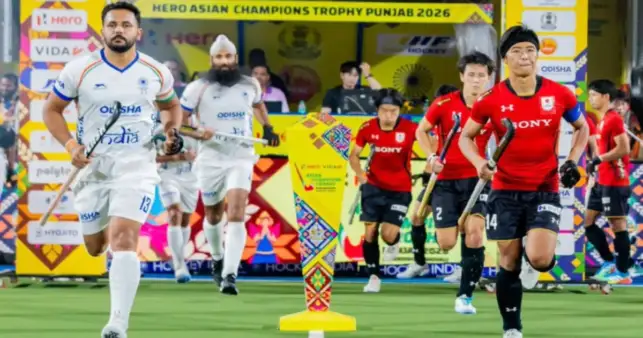
Jalandhar, a city with a deep-rooted connection to Indian hockey, is once again in the spotlight as international hockey returns to Punjab after 17 years with the Asian Champions Trophy.
Known for its sporting culture and long association with the game, the city is hoping the tournament will help revive a hockey ecosystem that has weakened over time. The return of a major international competition has brought fresh attention to Jalandhar’s sporting identity and the role it once played in nurturing players. However, the event also raises a larger question: whether renewed investment and attention can restore the grassroots system that helped make the region a significant centre for hockey.
The city’s relationship with sport is visible in its everyday life, where the busy streets and crowded roads reflect the energy of a place closely connected to athletic competition. Hockey, in particular, has long been part of Jalandhar’s identity, supported by local players, training facilities and a wider sporting culture. Its reputation was built not only on elite-level performances but also on the development of young talent through local clubs and training environments. That foundation helped connect aspiring players with the sport from an early age, giving hockey a strong presence beyond major tournaments and national teams.
The Asian Champions Trophy offers an opportunity to reconnect the city with international hockey and bring the game back into public focus. Hosting a competition of this scale can encourage local interest, create visibility for emerging players and remind residents of the region’s sporting legacy. The return of international hockey to Punjab after such a long gap is therefore significant, particularly for those who have watched the sport’s grassroots network struggle. The tournament, however, is only one part of a broader effort required to rebuild the structures that allow young players to train, compete and progress.
The challenge facing Jalandhar is whether fresh funding and renewed attention can address years of neglect. A strong hockey nursery depends on accessible playing facilities, qualified coaches, regular competitions and sustained support for young athletes. Without these foundations, even a major international event may have only a temporary impact on participation and player development. Reviving the sport requires investment that continues after the tournament ends, ensuring that aspiring players have opportunities to train consistently and compete at different levels. The long-term health of the local hockey ecosystem will depend on how effectively these needs are addressed.
Jalandhar’s sporting legacy also reflects the wider importance of regional centres in developing Indian hockey. While international tournaments showcase established players and national teams, the future of the sport depends heavily on the places where young athletes first learn the game. Local training networks and community involvement can help identify talent and provide the support needed to advance through competitive levels. For Jalandhar, rebuilding these pathways would mean strengthening the connection between its historical reputation and the opportunities available to the next generation of players.
The Asian Champions Trophy has brought hockey back to Punjab’s attention, but the larger test will begin once the competition is over. Jalandhar’s return to the international hockey calendar offers a chance to renew local enthusiasm and draw attention to the facilities and support needed for grassroots development. Whether that momentum leads to a lasting revival will depend on sustained funding, stronger training opportunities and continued commitment to young players. For a city whose identity is closely linked to hockey, the tournament represents both a celebration of its sporting heritage and a test of its ability to rebuild for the future.