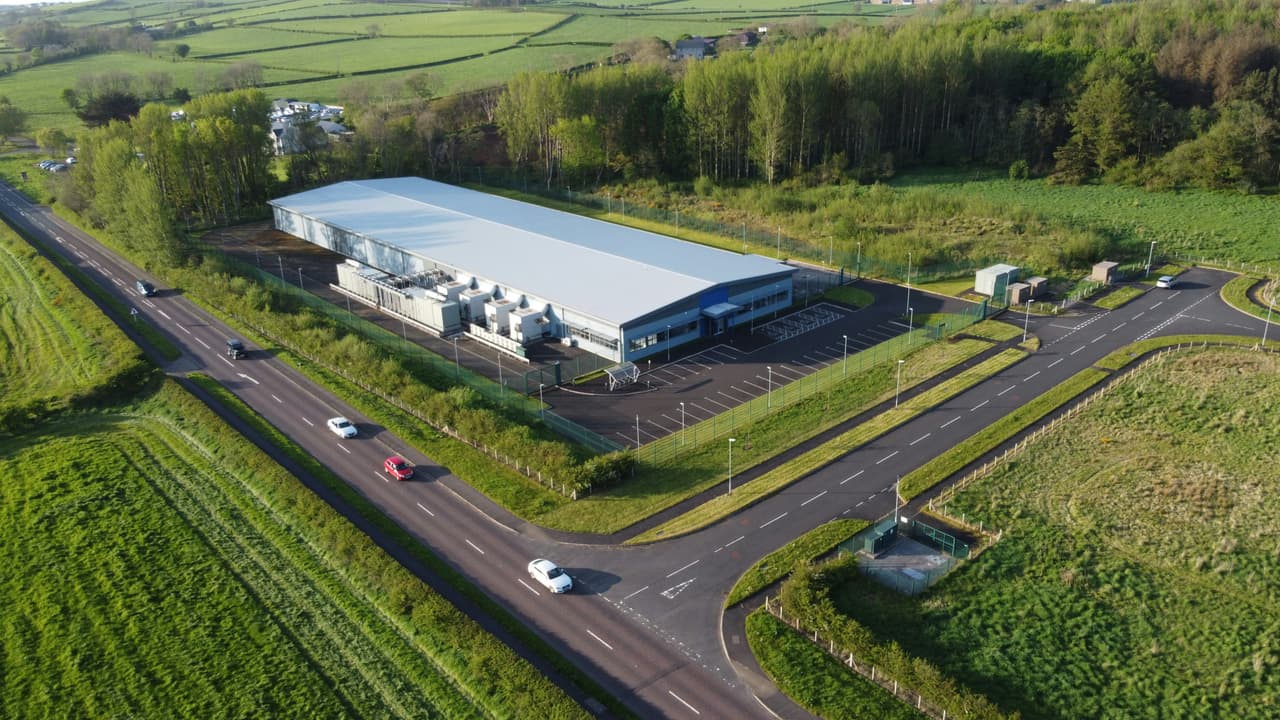
Rapid growth in digital infrastructure is reshaping an energy-rich nation’s policy debate, with lawmakers questioning whether future electricity demand could outpace available supply and alter long-term economic priorities.
Norway is witnessing an intensifying political debate over the future of data centres after fresh projections showed the sector’s electricity consumption could rise dramatically over the next decade, raising concerns about power availability, energy prices and national priorities.
New forecasts released by the country’s energy authorities have prompted calls for urgent political action, with some lawmakers seeking a temporary halt on new data-centre developments until the long-term impact on the power system is better understood.
The controversy comes as data centres emerge as one of the fastest-growing sources of electricity demand in the country.
Only a few years ago, the industry occupied a relatively minor place in Norway’s economy. Today, however, data centres account for an estimated three to four terawatt hours of electricity consumption annually, equivalent to roughly 2.5 per cent of national demand. Energy officials expect that figure to continue rising rapidly as new facilities are connected to the grid.
According to projections published by the Norwegian Water Resources and Energy Directorate, electricity consumption from approved data-centre projects could reach 25 terawatt hours by 2035.
The outlook has amplified concerns among policymakers about whether Norway’s electricity system can sustain such growth without affecting domestic consumers and other industries.
Norway’s power network relies heavily on hydropower generation and traditionally operates with an electricity surplus. However, recent assessments have warned that limited growth in new generating capacity could gradually reduce that buffer, increasing the risk of future supply pressures.
The issue has become politically sensitive because critics argue that large data centres consume significant amounts of electricity while generating relatively limited employment opportunities.
Research commissioned by the government estimated that the industry contributed approximately 3.2 billion Norwegian crowns in direct value creation during 2025 and supported around 600 full-time equivalent jobs.
Those figures have prompted debate over whether the economic benefits justify the scale of electricity consumption expected in coming years.
Energy Security And Economic Value Drive Growing Debate
Several political groups have begun questioning whether unrestricted expansion of the data-centre sector aligns with Norway’s broader energy strategy.
The strongest criticism has come from parties advocating stricter limits on future development approvals. One proposal expected to be debated in parliament calls for a pause on new data-centre permits while authorities assess the sector’s long-term impact on electricity supply and pricing.
Supporters of such measures argue that energy resources should be prioritised for activities they believe deliver greater benefits to the domestic economy.
The debate reflects a broader international trend.
As artificial intelligence, cloud computing and digital services fuel a global expansion in data-centre construction, governments in multiple countries are confronting questions surrounding electricity demand, infrastructure capacity and energy affordability.
Norway’s abundant renewable-energy resources have made the country attractive for digital infrastructure investment. Yet the same advantage has intensified concern that rapid demand growth could eventually place pressure on a power system that many households and businesses rely upon.
The government has acknowledged the challenge and signalled that it is evaluating potential responses.
Officials say ongoing work includes both immediate and longer-term measures aimed at ensuring new data-centre developments align with national priorities and the capacity of the electricity network.
Particular attention is being paid to identifying projects considered strategically important for the country while assessing their broader impact on the energy system.
The discussion increasingly centres on balancing economic opportunities created by digital infrastructure against concerns about future electricity availability.