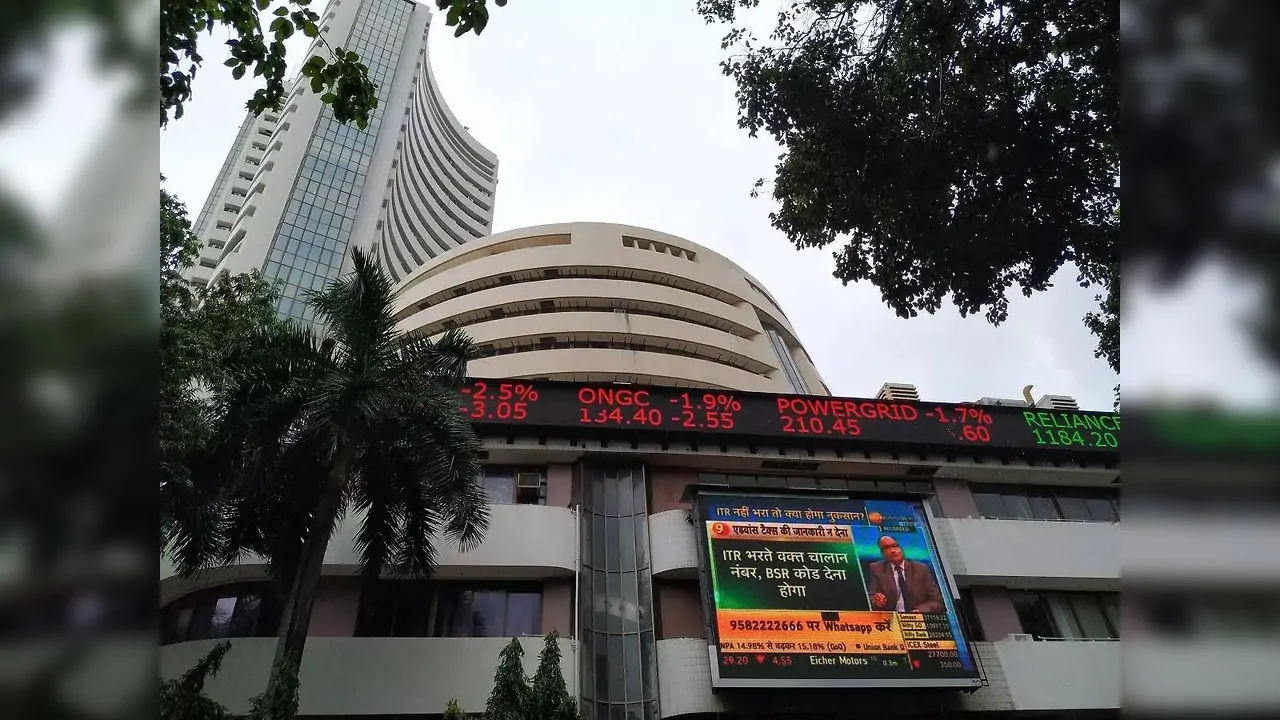
The Indian Stock Markets on Wednesday ended in red with Nifty going below the 22,700 mark with the Information Technology (IT), Oil & Gas sectors lead the losses. Nifty slipped for a second straight session, ending 50 points lower at 22,698.
During morning trade, the Sensex plunged as much as 995 points, or 1.35%, to an intraday low of 72,603, while the Nifty 50 fell to around 22,497, slipping below the 22,500 mark. At close, Sensex was down 352.64 points or 0.48% to 73,246.03 while Nifty was at 22,698.85, down by 50.90 points or 0.22%.
Sectors like Information Technology, Oil & Gas down 2% each, while Realty, energy, FMCG down 0.5 percent each. However, Auto, Consumer Durable, Media, Pharma up 1% each.
Indian rupee ended 11 paise lower at 95.23 per dollar against previous close of 95.12.
Brent crude tumbled 7% to around $102/bbl and WTI plunged 8% to below $94, extending a sharp two-day sell-off as a breakthrough in US-Iran negotiations appeared closer than at any point since the war began.
Continued foreign portfolio investor outflows, alongside cautious positioning after the monthly derivatives expiry, added to selling pressure.
Vinod Nair, Head of Research, Geojit Investments Limited said, “Domestic equities remained volatile and traded lower as a fresh spike in crude oil prices and sharp selling in IT stocks weighed on investor sentiment. Oil prices rebounded amid renewed concerns over supply disruptions following Houthi attacks on Saudi Arabia, overshadowing ongoing diplomatic efforts. Markets are also closely watching the U.S. midterm elections for greater clarity on the geopolitical landscape. Strong earnings from a leading capital goods company, resilience across banking, auto and pharma, and value buying at lower levels helped the indices recover a significant portion of their early losses.”
“Investors will now turn their attention to the U.S. Fed’s policy guidance, particularly signals around the interest-rate trajectory into December. While the market may not be completely out of the woods, the most challenging phase of the correction appears to be factored. For long-term investors, the focus can gradually shift from managing near-term volatility to selectively accumulating quality businesses at attractive valuations,” he added.