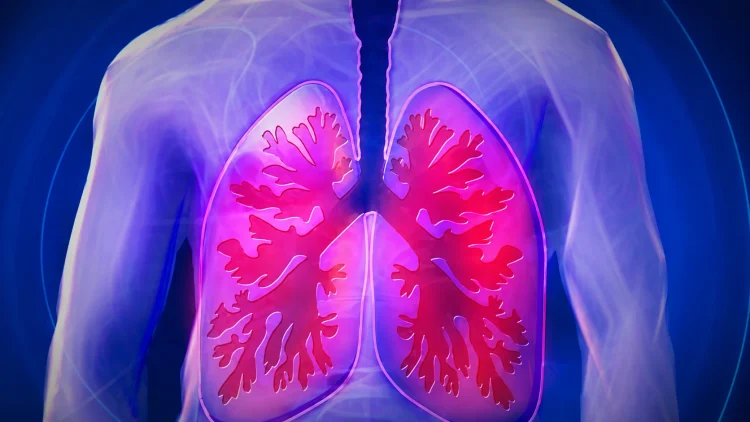
Lung Health – Lungs play a vital role in keeping the body functioning by supplying oxygen to the bloodstream and removing carbon dioxide. However, dust, smoke and polluted air can interfere with normal respiratory function. Fine particulate matter in polluted air can travel deep into the lungs, potentially triggering inflammation and irritation. People exposed to poor air quality may experience coughing, wheezing, chest discomfort or breathlessness, while those with asthma and other respiratory conditions can face worsening symptoms.
Air pollution often becomes a greater concern during winter in many parts of India, when weather conditions can contribute to the accumulation of pollutants. Alongside reducing exposure to polluted air, some people turn to traditional herbs and nutrient-rich foods as part of their daily routine. Five combinations commonly discussed in traditional wellness practices include vasaka with honey, kantakari with dry ginger, liquorice with tulsi, thyme with amla, and banaphsha with cardamom. However, these remedies should not be considered proven ways to remove pollutants from the lungs or prevent respiratory disease.
Five Herbal and Food Combinations People Commonly Use
1. Vasaka and Honey
Vasaka, also known as Adhatoda vasica, is a plant traditionally used in Ayurvedic respiratory preparations. It has a long history of use in remedies intended to help manage cough and mucus-related symptoms. Honey is also commonly used to soothe throat irritation and may provide some relief from coughing, particularly when taken in a warm drink.
One traditional preparation involves adding a small amount of honey to vasaka decoction after it has cooled to a comfortably warm temperature. However, evidence supporting this combination specifically for pollution-related lung damage remains limited. Honey should never be given to children younger than one year, and people with diabetes should consider its sugar content.
2. Kantakari and Dry Ginger
Kantakari is another herb used in traditional Ayurvedic preparations for respiratory complaints. Dry ginger is widely consumed in teas and other drinks and is known for its warming flavour. Some traditional formulations combine the two ingredients in a warm infusion, which people may find soothing when dealing with throat discomfort or cough.
The mixture can be prepared by simmering the ingredients in water and allowing the drink to cool before consumption. Still, there is insufficient clinical evidence to establish that this combination improves lung function or prevents breathlessness caused by air pollution. Anyone who experiences shortness of breath during routine activities, such as walking or climbing stairs, should seek medical advice rather than relying on herbal drinks.
3. Liquorice and Tulsi
Liquorice root, commonly called mulethi, has traditionally been used in preparations intended to soothe throat irritation. Tulsi, or holy basil, is another familiar ingredient in Indian household remedies, particularly during seasonal changes. Both are often consumed as herbal infusions, although their traditional use does not establish that they can protect the lungs from harmful airborne particles.
Liquorice requires particular caution because regular or excessive consumption can cause high blood pressure, low potassium levels and other complications. People with heart disease, kidney problems or hypertension, as well as those taking certain medicines, should consult a healthcare professional before using it. Tulsi supplements may also interact with medication, so concentrated preparations should not automatically be treated as harmless.
4. Thyme and Amla
Thyme is an aromatic herb used in cooking and in some traditional preparations for cough-related symptoms. Amla, or Indian gooseberry, provides vitamin C and other nutrients that support normal immune function. Including amla in a balanced diet can contribute to overall nutritional health, while thyme can be consumed in food or as a mild herbal tea.
Some people combine the ingredients during periods of poor air quality because they believe the mixture supports respiratory wellness. However, vitamin C does not make the lungs immune to pollution, and eating amla or drinking thyme tea cannot replace measures that reduce exposure to polluted air. Fresh fruit, vegetables and a varied diet remain more reliable foundations for everyday nutritional support.
5. Banaphsha and Cardamom
Banaphsha, also known as sweet violet in some traditional herbal contexts, has been used in preparations associated with cough and throat discomfort. Cardamom is a common culinary spice that adds aroma and flavour to warm drinks. Some traditional practices combine these ingredients in an infusion, which may be consumed as a soothing beverage.
There is not enough strong clinical evidence to show that banaphsha and cardamom open the airways or treat breathing difficulties caused by pollution. Anyone experiencing chest tightness, persistent wheezing or difficulty breathing should not delay medical care while trying a home remedy. Severe or sudden breathing difficulty requires urgent medical attention.
Practical Ways to Protect Your Lungs During Pollution Season
Herbal drinks and nutritious foods may form part of a person’s routine, but they are not substitutes for established pollution-protection measures. Check local air-quality information and reduce strenuous outdoor exercise when pollution levels are high. When outdoor exposure cannot be avoided, a well-fitting N95 or equivalent respirator can help reduce inhalation of fine particles. Keep windows closed when outdoor air quality is particularly poor, use suitable indoor air filtration if available, and avoid indoor sources of smoke, including tobacco and poorly ventilated cooking fumes.
People with asthma or chronic lung disease should follow their prescribed treatment plans and keep recommended medication available. Persistent cough, worsening breathlessness, chest pain or unusual wheezing should be assessed by a qualified healthcare professional. The five combinations described above are based on traditional uses and user-generated wellness claims; their effectiveness against pollution-related lung damage has not been independently established. Individual safety also varies depending on existing medical conditions, medicines and the concentration of herbal products.
Conclusion
Air pollution can place considerable stress on the respiratory system, particularly during periods when pollutant levels rise. Vasaka and honey, kantakari and dry ginger, liquorice and tulsi, thyme and amla, and banaphsha and cardamom are traditional combinations that some people use for general respiratory comfort. However, none should be promoted as a proven method for cleansing the lungs or preventing pollution-related illness. Limiting exposure to polluted air, maintaining a balanced diet and seeking timely medical advice remain important steps towards protecting respiratory health.
Frequently Asked Questions
1. Can herbs remove pollution particles from the lungs?
No herbal combination has been established as a reliable way to remove inhaled pollution particles from the lungs. Reducing exposure to polluted air is a more effective preventive approach.
2. Is honey useful for a pollution-related cough?
Honey may help soothe some coughs, but it does not treat the underlying effects of air pollution. Persistent or worsening symptoms should be discussed with a healthcare professional.
3. Can amla protect the lungs from air pollution?
Amla contains vitamin C and can contribute to a balanced diet. However, there is no strong evidence that eating amla alone prevents pollution-related lung damage.
4. Is liquorice safe for daily consumption?
Not necessarily. Liquorice can raise blood pressure and lower potassium levels, particularly when consumed regularly or in large amounts. People with existing health conditions should seek medical advice before using it.
5. What is the best way to reduce exposure to polluted air?
Monitor local air-quality readings, limit strenuous outdoor activity when pollution is high, use a well-fitting particulate respirator when appropriate and reduce indoor smoke. Follow medical advice if you have an existing respiratory condition.