At a Berlin forum, India’s climate message raised questions about who should pay for the transition, with trade rules and long-standing promises adding pressure to an already difficult global debate worldwide.
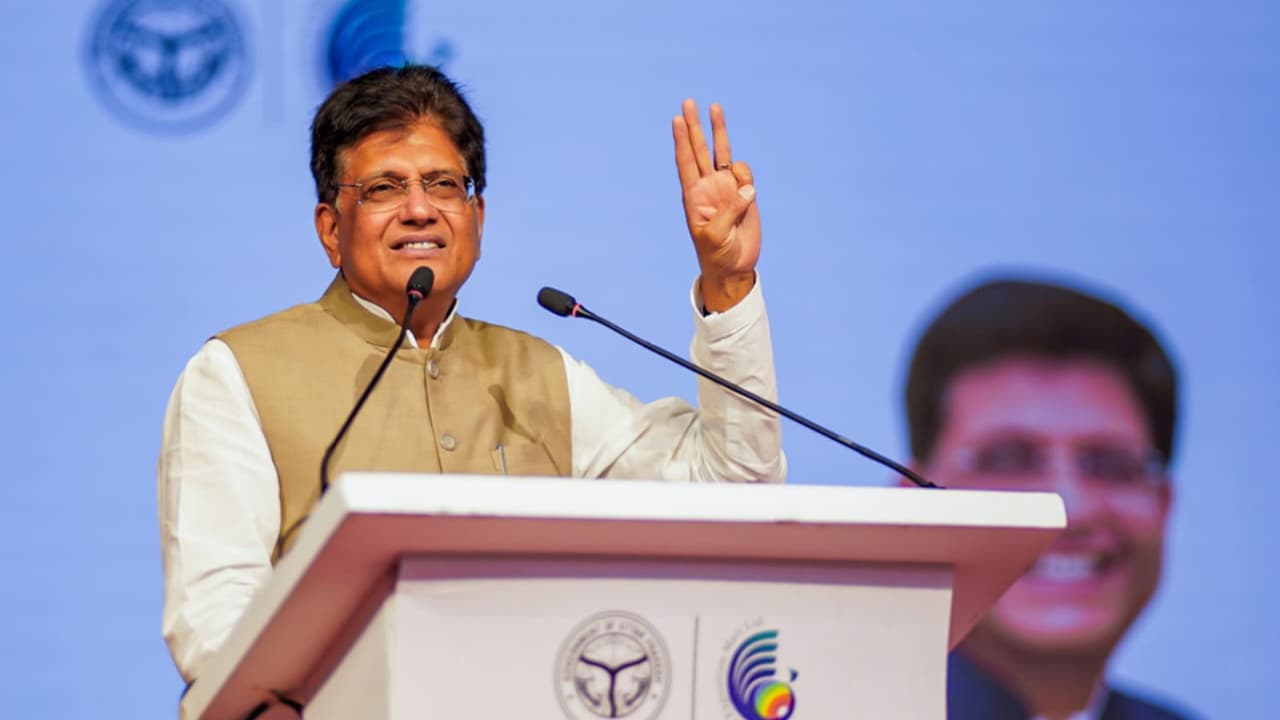
India has challenged wealthy economies to explain why developing countries are being pressed to cut emissions faster when promised climate funding and technology have yet to arrive in meaningful measure. Speaking at the Berlin Global Dialogue, Commerce and Industry Minister Piyush Goyal said the imbalance raises questions about fairness in the global transition and criticised the European Union’s carbon border policy.
Goyal argued that industrialised countries built their economies through decades of high emissions and should now take on a greater share of the costs of climate action. He pointed to the annual climate finance commitment of US$100 billion, saying developing nations were still waiting for the funding and technology support associated with the pledge.
The pledge dates to the 2015 Paris climate conference, which set a framework to help poorer and more vulnerable economies manage climate costs. Goyal questioned why, more than a decade later, developing countries had yet to receive support they could meaningfully rely on.
Trade rules add to the dispute
The European Union’s Carbon Border Adjustment Mechanism, known as CBAM, seeks to apply charges to imports according to the emissions associated with their production. India and other emerging economies have raised concerns about the effect such measures could have on trade, particularly for industries that use large amounts of energy.
Steel, aluminium and cement producers face pressure to reduce emissions, but countries with fewer financial resources have less room to absorb the costs of changing industrial processes. Goyal’s argument was that developed economies cannot demand a faster transition while introducing border policies that may penalise exporters in poorer countries.
The debate for India is tied to a wider question about how climate responsibilities should be shared. Goyal pointed to the difference between India’s share of the global population and its contribution to cumulative emissions. India accounts for about 17 per cent of the world’s population, while its historical contribution to emissions is much lower than that of advanced economies, he said.
Piyush Goyal said India must continue to address the needs of 1.4 billion people, including access to energy, food security and national security. Those priorities, he argued, must be considered alongside efforts to shift towards cleaner energy.
India has expanded renewable capacity while continuing to depend on conventional fuels to support industry, maintain grid stability and meet growing household demand. The challenge is to reduce emissions without putting development at risk or making electricity unaffordable.