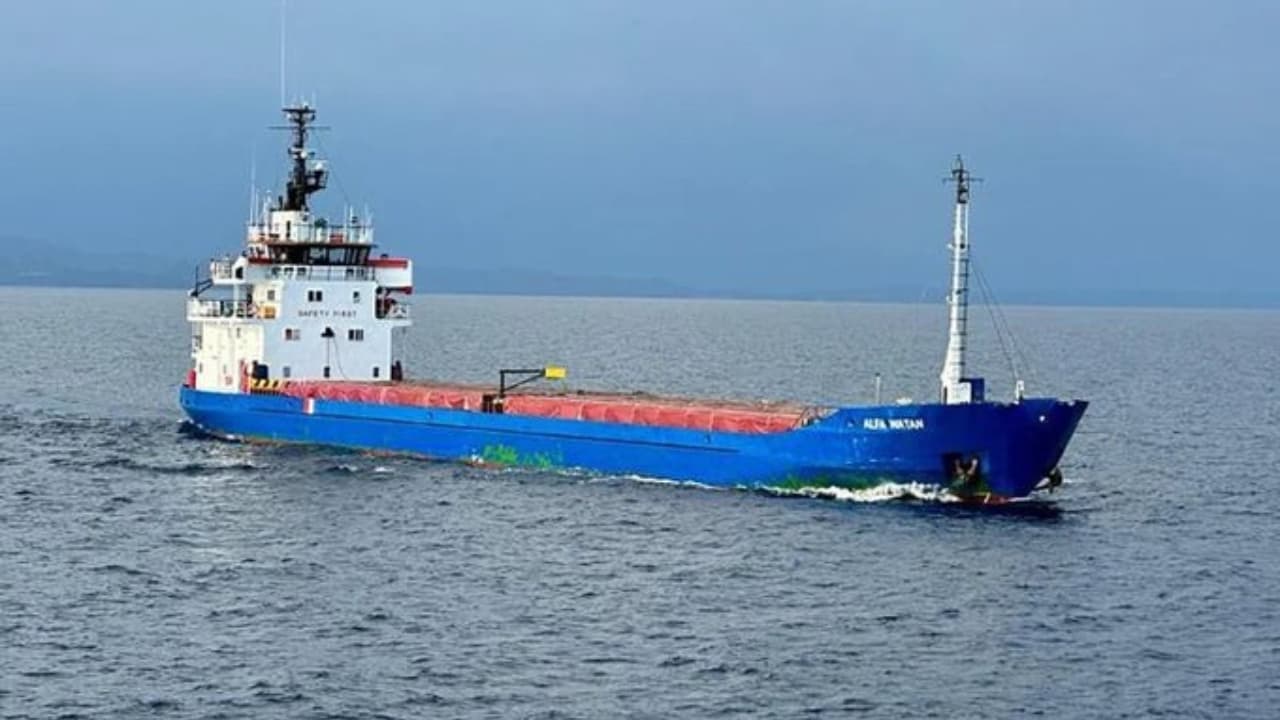
Documents, shipping records and satellite tracking reveal a complex supply network that continued operating despite restrictions, raising fresh questions about enforcement and oversight across international trade routes.
A network involving shipping records, commercial contracts and import documentation appears to have enabled Iranian jet fuel shipments to reach Myanmar despite international sanctions, according to documents and tracking data reviewed in the report.
The transactions involved fuel cargoes officially described as diesel but which records, satellite evidence and shipment data linked to Iranian jet fuel exports. The findings provide a detailed look at how fuel deliveries continued despite restrictions targeting both Myanmar’s aviation fuel sector and Iranian energy exports.
One of the shipments arrived in Myanmar waters in December 2025 aboard the tanker Reef, carrying around 113,000 barrels of fuel. Commercial paperwork connected to the transaction described the cargo as diesel originating from South Africa and destined for Myanmar through an agreement between Myanmar-based energy broker Dynamic Wave and Thailand’s Tawan-Oil Trading.
However, trade data cited from the United Nations and Vortexa reportedly showed no corresponding South Africa-to-Myanmar diesel trade during that period.
Tracking records and satellite imagery indicated the cargo instead originated from Bandar Abbas in Iran before travelling to Southeast Asia. According to the report, the tanker was transporting jet fuel rather than diesel.
The arrangements emerged against the backdrop of sanctions imposed by the United States on Myanmar’s jet-fuel sector in 2023. Washington said those measures were introduced because of the military government’s aerial campaign during the country’s ongoing conflict. Purchases involving Iranian oil and fuel also face US sanctions exposure.
Documents reviewed in the report suggest that Myanmar authorities played a role in facilitating the import process.
Days before the Reef shipment arrived, Myanmar’s foreign-exchange regulator reportedly informed a local company that import paperwork would classify the fuel as diesel rather than jet fuel. The same correspondence authorised payment arrangements involving Dynamic Wave, its client National Energy Prime Aviation Services Company and Tawan.
Requests for comment from several organisations and authorities referenced in the report did not generate responses, according to the account.
Shipping Records Reveal Broader Pattern Of Fuel Deliveries
The December shipment was not described as an isolated case.
A second contract obtained from the same source reportedly involved a May 2025 agreement under which Dynamic Wave arranged the purchase of 202,000 barrels of what documentation again described as South African diesel.
However, investigators identified discrepancies within the paperwork.
According to fuel specifications reviewed by experts cited in the report, the density of the cargo aligned more closely with jet fuel than with diesel typically sold in Southeast Asian markets. Pricing data also raised questions, with the cargo valued substantially above prevailing diesel benchmarks.
Shipment records indicated that the tanker Noble delivered nearly 200,000 barrels of jet fuel intended for Dynamic Wave to Yangon during June 2025.
Satellite analysis cited in the report suggested the cargo was loaded in Bandar Abbas, Iran. Tracking data also indicated the vessel transmitted signals showing Bangladesh’s Chittagong port as its destination while travelling toward Myanmar.
The report stated that Iran became Myanmar’s principal supplier of jet fuel between October 2024 and December 2025, with Reef and Noble playing major roles in those deliveries.
The revelations highlight both the impact and limitations of sanctions enforcement. The extensive efforts allegedly taken to disguise cargo origins and fuel types suggest restrictions created obstacles for participants in the trade. Nevertheless, shipments reportedly continued despite those barriers.
The issue remains highly sensitive because aviation fuel is closely linked to Myanmar’s military operations. The country’s armed forces seized power in 2021, triggering conflict across large parts of the country. International organisations have repeatedly raised concerns about military air strikes and their effect on civilians.
Documents, shipment records and satellite tracking reviewed in the investigation indicate that fuel deliveries continued through complex logistical and commercial arrangements, underscoring the challenges involved in enforcing sanctions across international energy supply chains.