Imagine if the smartest investment you make in your 30s isn’t financial at all—it’s just playing badminton, stepping onto a cricket pitch or going for a run.
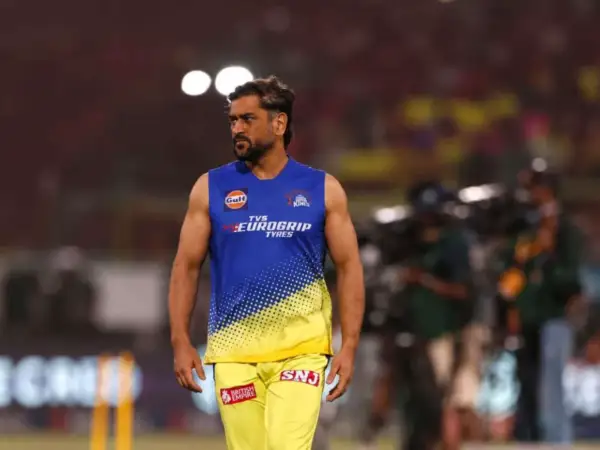
Former Indian cricket captain MS Dhoni has a clear message for Gen Z: stop thinking you can put off fitness until your body starts breaking down.
Dhoni sat down with writer Javed Akhtar recently and the conversation turned to how food habits are shifting, opportunities for everyday movement are shrinking and why young people need to take their health seriously. Dhoni wasn’t talking about chasing six-pack abs or turning into a professional athlete. Instead, he argued for weaving physical activity into daily life—before the cost of being inactive catches up.
He sees a contradiction in how many Indians live now. Traditional diets across India are usually loaded with carbs but older generations burned them off because their routines were more physically demanding. These days, the food stays the same, but movement has dropped off.
“You will get an auto, Uber, you are basically getting down, sitting on a vehicle, going to your work, sitting on the terrace, coming down again,” Dhoni said. He’s describing modern convenience—how it’s slowly squeezed out everyday exercise. Fast food, sugary snacks, generous servings of fried foods: he sees them everywhere. His real concern is for those eating these foods while barely moving.
Dhoni doesn’t slam carbs outright. For him, the problem is bigger—it’s about how much you eat, what you do with your energy, and whether you’re moving enough. Staying still and eating too many sugary, high-calorie foods makes it tough to stay healthy.
His fix starts way before most people even start thinking about their health. “What I would request them is right from an early stage when they are in school, participate in each sport,” Dhoni said. Kids don’t know what they’re good at until they try. Someone who never picks up a racket might discover they’ve got a knack for badminton after just one game.
“Everybody won’t become an athlete,” he admitted, making his advice easy for non-athletes to relate to. Sport isn’t just about fitness—losing helps you see where you fall short, winning teaches you to handle success, and every new match is a shot at improvement. Dhoni sees those lessons echoing throughout life.
He feels the cost of skipping exercise starts to show as people get older. But it’s not just about sidestepping health problems. He presses young people to think about the life they want: ‘Will they have the physical strength to enjoy life with the people they love?’
“We all are worried about our parents, I can take care of my parents, I will take care of my wife, my sons, daughters, whoever,’ Dhoni said. ‘But the whole thing is can you enjoy playing with your sons and daughters? For that you need the physical fitness.” He keeps it simple—set aside an hour for activity, eat sensibly. “Simple food you eat. But what you eating in what quantity, that can really help you,” he said.
“So my only request to them would be take care of yourself,” Dhoni said. “Even if you don’t want to do it for yourself, do it for the people who are around you.”