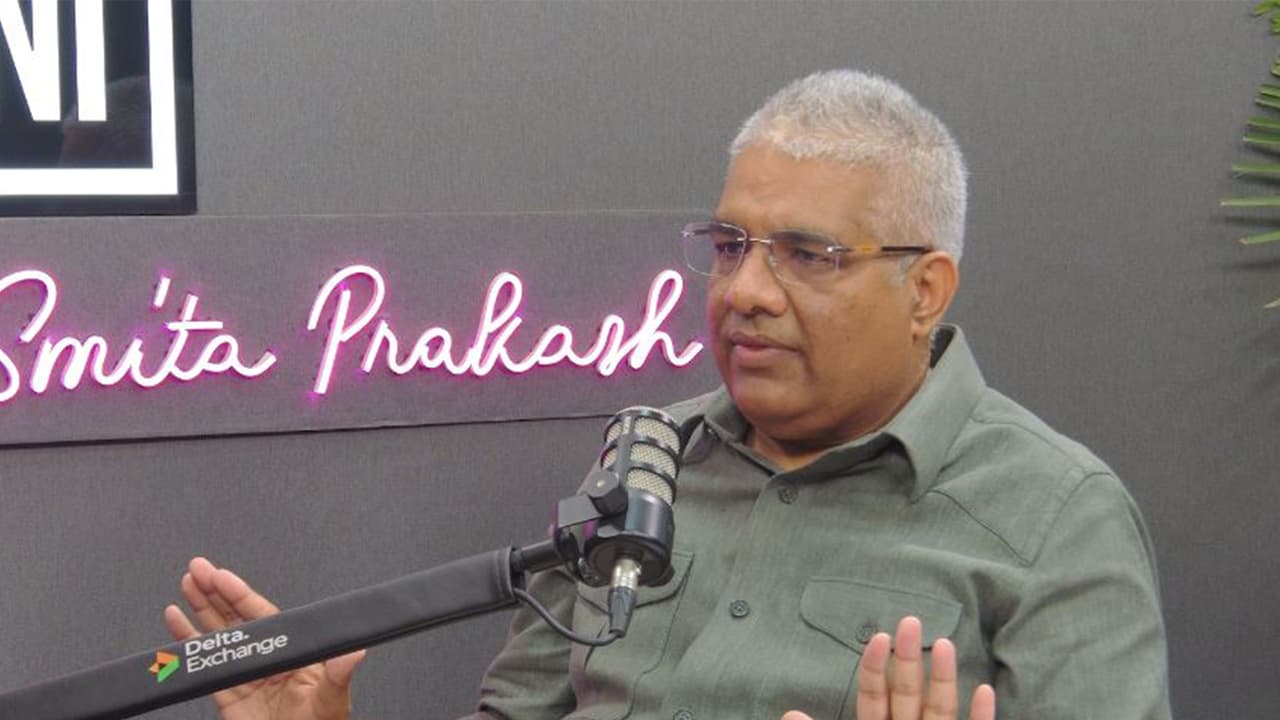
Union Minister Bhupender Yadav confirms that fundamental rights and protest permissions remain intact, stating the government provides adequate spaces for demonstrations and refuting claims of constitutional restrictions on public expression.
Minister Affirms Fundamental Right to Protest
Union Minister for Environment, Forest and Climate Change Bhupender Yadav on Saturday said that any group of individuals are free to organise a protest if they are allowed to do so, further highlighting that permission has already been provided for a larger site to hold protests. Speaking exclusively to ANI, the Union Minister emphasised that Article 19 (Right to Freedom of Speech and Expression) has not been suspended in the country. He noted that such fundamental rights are only suspended under formal constitutional Emergency declarations. “Who has denied the demonstration? The government has given permission for a bigger place for the demonstration. Where is the demonstration? Where has it been denied to speak? In our country, if Article 19 had been suspended, then it would have been done in an emergency. A blank newspaper editorial came in 1975 in this country. After that, when Congress was no longer there, it never happened,” he said. “You have the permission to perform the protest. You can take the permission to do anything. If you get permission, then you can do it,” he noted.
Legal Precedents and Protest Guidelines
Citing a 2018 case filed against a labourer when the Supreme Court had set a limit on Jantar Mantar as the protest site, he reiterated, “If someone suddenly gets up and says, I will march this way, I will march that way. If someone has taken permission to show, then go ahead and show. What is forbidden? In 2018, a case was filed against a labourer. In that case, the Supreme Court had decided on a norm. In Jantar Mantar, a limit was set on one aspect only.” The 2018 case pertains to a complaint filed by the social activism group Mazdoor Kisan Shakti Sangathan (MKSS), where the activist group challenged a blanket ban on protests at Jantar Mantar and Central Delhi. The Supreme Court overturned the blanket ban, noting that a total ban will diminish a fundamental right rather than balancing it. The apex court further ordered the Delhi Police to frame specific guidelines to ensure that protests continue while also being considerate regarding the issues faced by locals. Consequently, a strict limit was set, which limited the number of daily protesters to a maximum of 1,000 people and restricted demonstration hours strictly between 10:00 AM and 5:00 PM.
Government Stance on Designated Protest Sites
Furthermore, Yadav said that in view of large-scale demonstrations, the central government decided to provide bigger sites for protest. He said that apart from Ram Leela ground, three alternate sites were given, emphasising that there is no refusal. “They said, ‘We want more people, so they gave us a bigger space. Then you can do it in a bigger place. Why is the government refusing? We are people who have come out of democracy. Ram Leela was booked. The entire Ram Leela field was booked. There are three alternatives available. Why should they refuse? Who is refusing?’ he asked. (ANI)
(Except for the headline, this story has not been edited by Asianetnews Editorial staff and is published from a syndicated feed.)