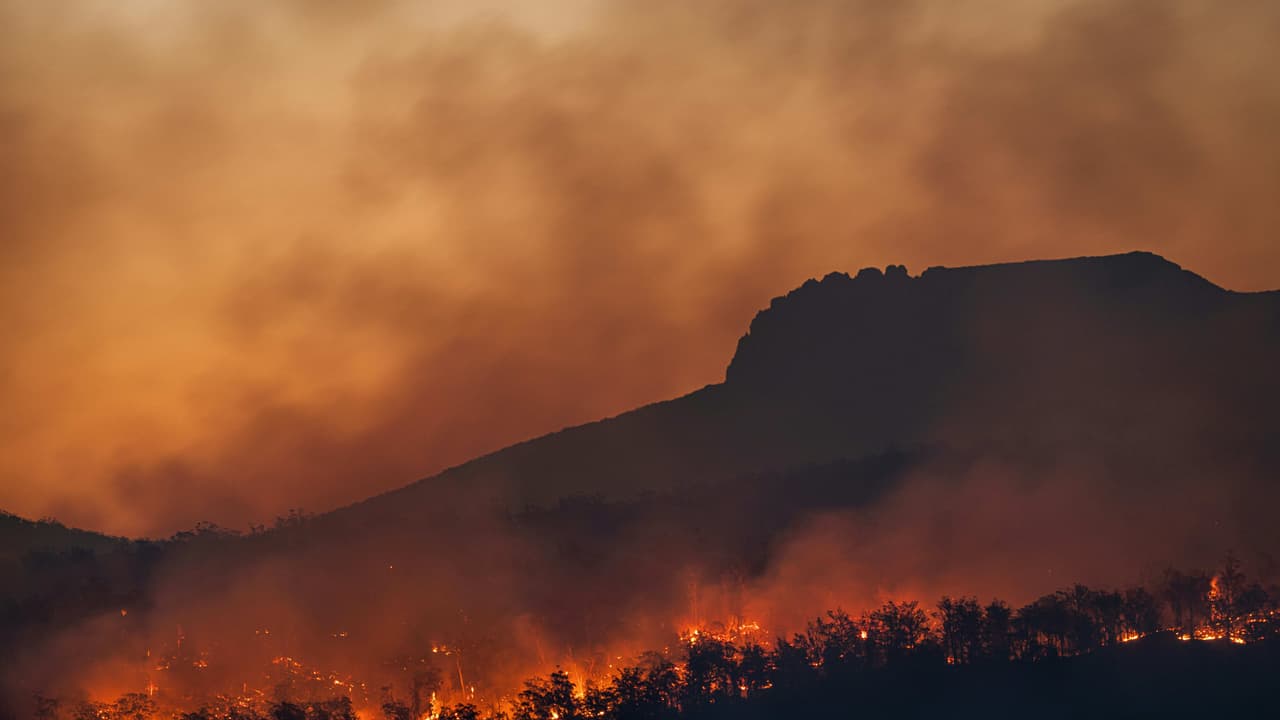
A worsening environmental crisis is spreading across Southeast Asia, disrupting daily life, affecting air quality and intensifying pressure on authorities as regional concerns continue to mount.
A severe haze crisis driven by wildfires in Indonesia is spreading across Southeast Asia, disrupting daily life, worsening air quality and triggering growing concerns over public health throughout the region.
The pollution has become particularly visible in Singapore, where thick smog has obscured parts of the city-state’s skyline and pushed air pollution levels sharply higher. The deteriorating conditions recently placed Singapore at the top of IQAir’s live ranking of the world’s most polluted major cities.
Neighbouring Malaysia has also been affected, with authorities closing schools in response to hazardous air quality linked to the cross-border haze.
The source of the crisis lies largely in Indonesia, where widespread forest and peatland fires have intensified under unusually dry weather conditions. As smoke continues to drift across national borders, pressure is mounting on Indonesian authorities to contain the disaster and limit further damage.
Public frustration has spilled onto the streets. Demonstrators in Indonesia have called on the government to classify the fires as a national disaster and expand emergency response efforts as conditions worsen.
The haze has extended beyond Indonesia and Malaysia, reaching other parts of Southeast Asia, including the Philippines. The pollution is increasingly being viewed as a regional environmental and public-health challenge rather than a localised emergency.
The crisis has also taken a deadly toll.
Five people reportedly died while fighting a wildfire in Bromo Tengger Semeru National Park on the Indonesian island of Java. Two additional individuals suffered serious burn injuries. Reports indicate that strong winds and dry vegetation accelerated the spread of flames, complicating firefighting operations.
Health impacts are becoming increasingly apparent as exposure to smoke continues.
According to data from Indonesia’s Health Ministry cited in the report, more than 283,000 cases of respiratory illness had been recorded across seven provinces by October 13.
Dry Conditions And Peat Fires Are Accelerating The Crisis
Independent monitoring platform Nusantara Atlas estimated that nearly 1.9 million hectares of land had burned by the end of September. The figures have not been officially verified by the Indonesian government but illustrate the magnitude of the ongoing emergency.
A combination of land-clearing activities and prolonged dry conditions is believed to be driving the fires.
In many affected areas, fires associated with agricultural expansion can spread beyond intended locations and move into nearby forests and peatlands. Once established, they become increasingly difficult to control.
Peatland fires pose a particularly serious challenge. Unlike surface fires, they can burn deep within dried organic soils that contain large amounts of stored carbon. These underground fires often smoulder for extended periods while generating enormous quantities of smoke.
Their persistence makes extinguishing efforts much more difficult and contributes to recurring haze episodes across the region.
Weather conditions have compounded the situation. A strong El Niño event has reduced rainfall and increased dryness across large parts of Indonesia, creating conditions that favour ignition and rapid fire spread. The lack of sustained rainfall has also hindered efforts to suppress existing hotspots.
The growing regional impact is prompting cross-border responses.
Singapore has issued preventive notices to Indonesian companies linked to land where fires may have contributed to haze pollution. The number of companies subject to those notices rose from seven to ten within days.
Indonesia has also agreed to accept assistance from neighbouring countries in tackling the fires, although operational details remain under discussion.