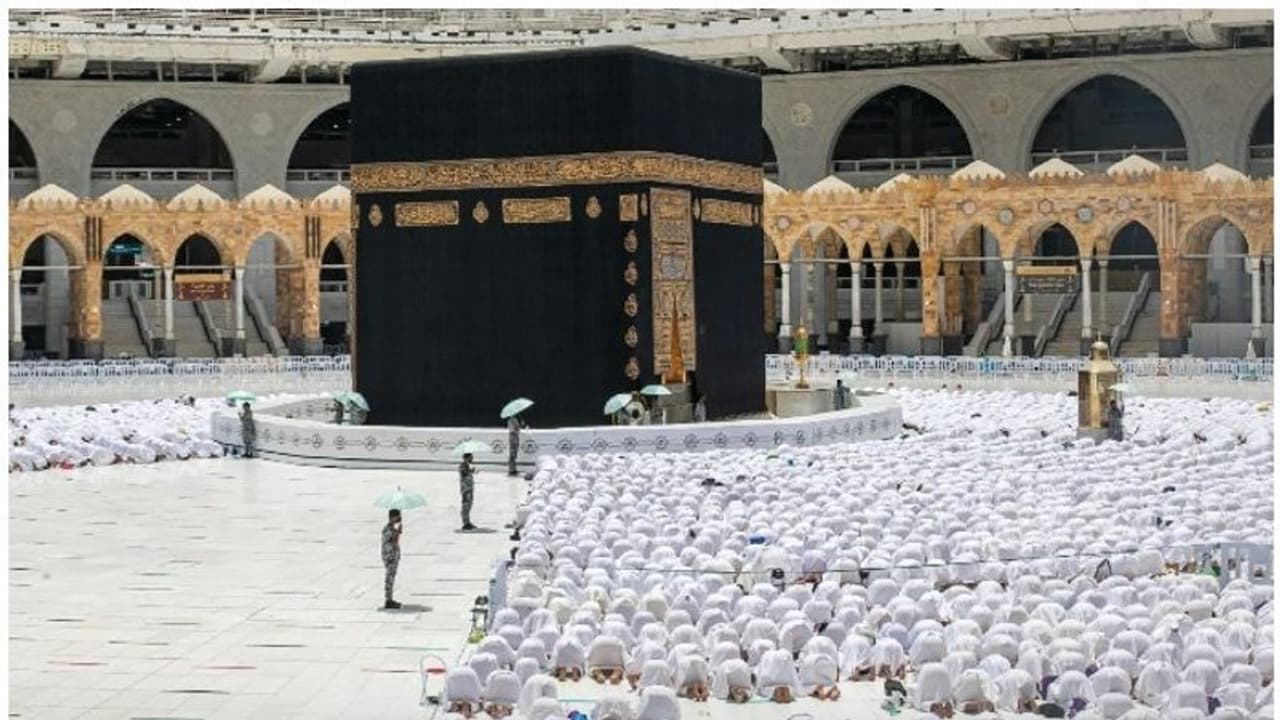
Saudi Arabia executed Bangladeshi nationals Nazrul Islam Abdul Basir and Siti Akhtar, also known as Sweety Akhtar, on October 14 after convicting them of alleged indecent acts inside a mosque in Makkah. Bangladesh says it was not informed about their death sentences beforehand and has sought explanations and copies of the court judgments.
The executions of two Bangladeshi nationals, Nazrul Islam Abdul Basir and Siti Akhtar, also known as Sweety Akhtar, in Saudi Arabia have triggered diplomatic concern in Dhaka and grief among their families. Saudi authorities said the pair were executed in the Makkah region on October 14, 2026, after being convicted of committing what officials described as immoral acts inside a mosque. Bangladesh says it was not informed about their death sentences beforehand and is seeking details of the cases, court proceedings and the communication gap.
Scroll to load tweet…
What happened to Nazrul Islam and Sweety Akhtar?
According to the Saudi Interior Ministry’s statement, the two Bangladeshi nationals were arrested after allegedly committing an ‘indecent act’ inside a mosque in Makkah. They were investigated, charged and then referred to a competent court, which found them guilty and imposed the death penalty under ta’zir, a category of punishment that allows judicial discretion under Islamic law. The ministry said the verdicts were upheld by the relevant judicial authority, a royal order was issued and the executions were carried out on October 14.
The Saudi statement described the offence as a serious violation of the sanctity of a mosque, but did not provide a detailed account of the alleged act. Reports in Bangladeshi media have referred to allegations of adultery or other immoral conduct. However, the full judgment and detailed evidence have not been made publicly available in the reporting reviewed for this article.
Saudi authorities have announced the conviction and executions, but the precise circumstances of the alleged offence cannot be independently verified.
Who was Nazrul Islam?
Nazrul Islam Abdul Basir was a Bangladeshi migrant worker from the Birampur area of Brahmanbaria district. His family told The Daily Star that he was 22 and had travelled to Saudi Arabia on November 10, 2022, to find work. He was employed as a cleaner.
Scroll to load tweet…
His father, Abdul Basir, reportedly borrowed Tk 7 lakh to help send his eldest son abroad, hoping the job would improve the family’s financial circumstances. The family said it learned of his execution through media reports rather than receiving advance notification from the authorities.
Nazrul’s relatives have demanded the return of his body to Bangladesh and an investigation into the circumstances of his death. His father has also spoken about the burden of repaying the money borrowed to send his son overseas.
The family alleges that it was not given advance notice of the execution or a meaningful opportunity to intervene. His mother, Rahima Begum, said she had continued speaking to him by telephone while he was in detention. Reports said their last conversation took place shortly before his execution.
Who was Sweety Akhtar and was she Nazrul’s wife?
The woman executed alongside Nazrul was identified by Saudi authorities as Siti Akhtar. Bangladeshi media have also referred to her as Sweety Akhtar, or Siti Akter.
Her case has drawn attention because the information available about her detention and alleged offence differs from the details reported about Nazrul. A confidential memo from Bangladesh’s Consulate General in Jeddah, reported by The Daily Star and The Business Standard, said the two had been detained since August 2023 over separate allegations. The prison list shared with the consulate reportedly recorded an alleged offence under Saudi Arabia’s cybercrime law against Nazrul and an adultery allegation against the woman. It did not mention that either had received a death sentence.
Social media posts claimed that Nazrul and Sweety were newlyweds who had travelled to Saudi Arabia for Umrah and were executed during their honeymoon. However, that account is not supported by the accounts published by both the countries’ media outlets. Nazrul’s family has rejected the claim that he was newly married, with his mother saying he was unmarried and the family did not know Sweety.
There is also no verified public evidence establishing that the two were a married couple. The Saudi Interior Ministry’s statement identified both as Bangladeshi nationals but did not describe them as husband and wife.
Why is Bangladesh questioning Saudi Arabia?
Bangladesh’s main concern is not only the executions themselves, but also the apparent failure of diplomatic communication over the death sentences.
According to reports by Prothom Alo and The Daily Star, Saudi authorities had previously provided the Bangladeshi consulate with a list of prisoners. The list included the two nationals, but did not state that death sentences had been imposed. Bangladeshi officials say they were aware of the detentions but had not been informed that the cases had resulted in capital punishment.
On October 18, Bangladesh’s Foreign Ministry met Saudi Ambassador Abdullah bin Zafer H Bin Abiyah in Dhaka and handed him a diplomatic note seeking detailed information. Some reports described the move as a summons, while bdnews24.com reported that officials specifically cautioned against describing the meeting that way.
State Minister for Foreign Affairs Humaiun Kobir later said Bangladesh had sought an explanation from its Saudi counterpart about the information-sharing gap. He described the executions as deeply disappointing and said discussions were under way.
Bangladesh is seeking copies of the judgments and details of the judicial proceedings, including whether the two nationals had access to legal assistance and an opportunity to defend themselves. Officials have also said the government expects to be notified when Bangladeshi citizens face criminal proceedings abroad, so that consular support can be considered.
The diplomatic issue is particularly significant because Saudi Arabia is a major destination for Bangladeshi migrant workers and an important partner for Dhaka. The case has raised questions about how consular officials can support citizens facing serious criminal charges overseas if they are not informed about the progress of their cases.
Nazrul’s family earlier asked the Bangladeshi government to arrange the repatriation of his body at state expense. The family said it wanted to bring him home and sought answers about the circumstances of his execution.
Bangladesh’s Ministry of Expatriates’ Welfare and Overseas Employment also addressed the return of the two nationals’ remains. On October 19, Minister Ariful Haque Choudhury said repatriation was being delayed by disruptions to air connectivity between Bangladesh and Saudi Arabia amid the wider regional security situation.
The government is also awaiting the full court judgments and a detailed response from Saudi authorities. Those documents could help clarify the charges, the legal basis for the sentences and whether consular officials received information during the proceedings that was not reflected in the prison list.
(With inputs from agencies)