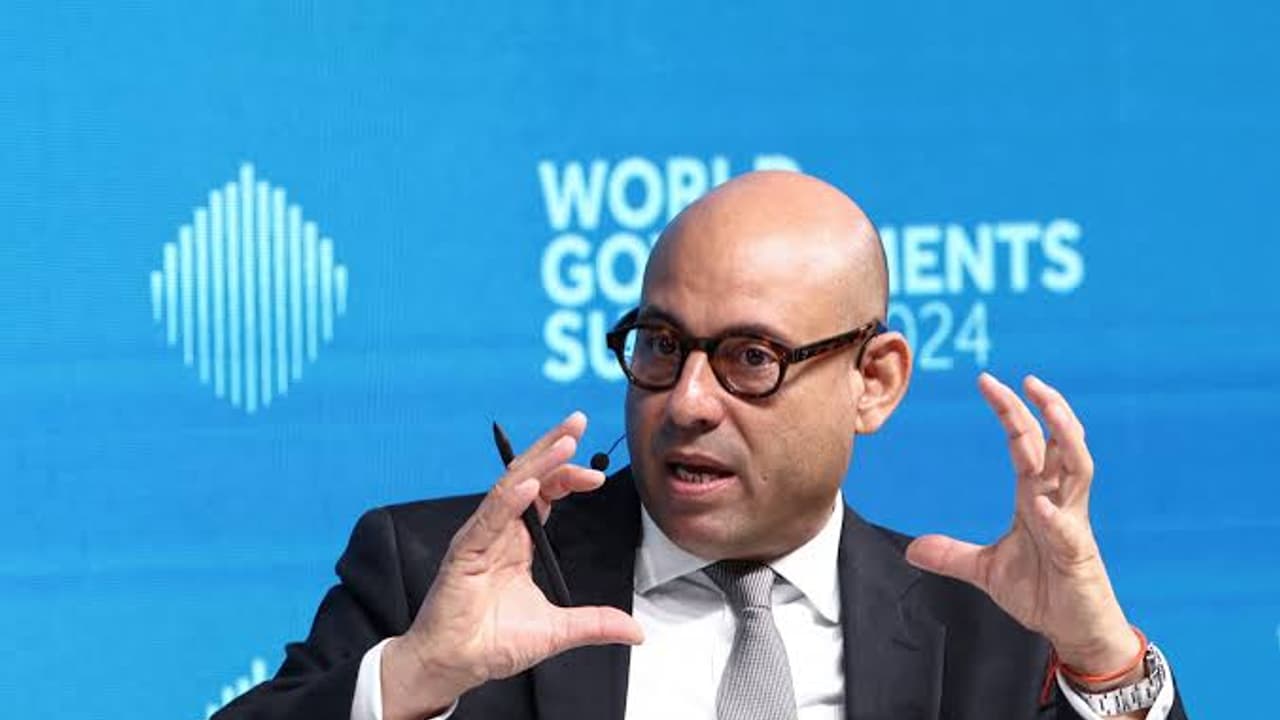
Questions about the future of global climate talks are gaining momentum as leaders prepare for a new phase centred on implementation, accountability and turning previous commitments into measurable action.
The future structure of international climate negotiations may be due for broader discussion, with United Nations climate chief Simon Stiell indicating that countries should help shape how the COP process evolves as the world enters a new phase of climate action.
Speaking during an official visit to New Delhi on July 21, 2026, the Executive Secretary of the United Nations Framework Convention on Climate Change (UNFCCC) said wider consultations among countries would be needed to examine possible reforms and improvements to the Conference of Parties process.
His comments come amid increasing debate over the effectiveness of annual climate negotiations. In recent years, criticism has emerged over issues ranging from decision-making procedures to concerns about the influence of fossil fuel interests and repeated calls from some groups for structural reforms. Stiell said discussions on strengthening the process are both timely and necessary, particularly given how dramatically the climate challenge has evolved.
According to Stiell, the conversation around climate science and the scale of climate impacts has changed substantially in recent years, making it important for parties to reflect on how negotiations should adapt moving forward.
Reflecting on the progress achieved through decades of climate diplomacy, he noted that global climate efforts have helped avoid even more severe warming trajectories. Without the Paris Agreement and the international commitments that followed, the world would likely have been on a path towards around 5°C of warming. However, he stressed that significant work remains if countries are to pursue a manageable climate future.
The discussion arrives as countries continue to experience record-breaking temperatures and increasingly visible climate impacts. Extreme heat, wildfires, droughts and severe weather events are becoming central features of the global climate conversation, placing added pressure on governments to move beyond commitments and demonstrate tangible results.
COP31 Expected To Focus On Implementation And Delivery
Stiell indicated that the next major milestone will be COP31 in Antalya, Türkiye, where attention will shift increasingly towards implementation.
Unlike previous summits dominated by headline negotiating issues such as climate finance or updated emissions-reduction plans, COP31 is expected to concentrate on the practical aspects of delivering existing commitments.
Stiell described the conference as an opportunity to examine how countries are translating agreements into action and addressing the technical challenges that emerge during implementation. The event will also assess progress on obligations already undertaken and evaluate how national climate plans are being carried out.
He emphasised that climate impacts themselves are becoming a major force shaping the agenda. Recent heatwaves in Europe, extreme temperatures across multiple continents, wildfires and anticipated impacts from the Atlantic hurricane season illustrate how climate change is increasingly affecting daily life and public discourse around the world.
The UN climate chief also highlighted the importance of India within this evolving landscape. He said engagement with India would extend beyond participation in negotiations to include understanding the country’s challenges, opportunities and policy experiences. The exchange of solutions and lessons between countries facing similar development and climate concerns will remain an important part of global cooperation.
Another area expected to receive increased attention is the Action Agenda launched in previous negotiations. Stiell noted that commitments involving trillions of dollars for energy storage, electricity grids and renewable energy development will now face greater scrutiny regarding implementation and progress.
He argued that success will increasingly be judged not by new announcements but by whether countries can overcome practical barriers slowing deployment.
Stiell also reiterated that the global shift towards cleaner energy systems is now irreversible. With more than US$2 trillion invested in clean energy last year, he described clean technologies, infrastructure and services as the foundation of the next industrial transformation.
For countries such as India, he suggested that accelerating the transition could strengthen economic growth while reducing exposure to volatility linked to fossil fuel markets.