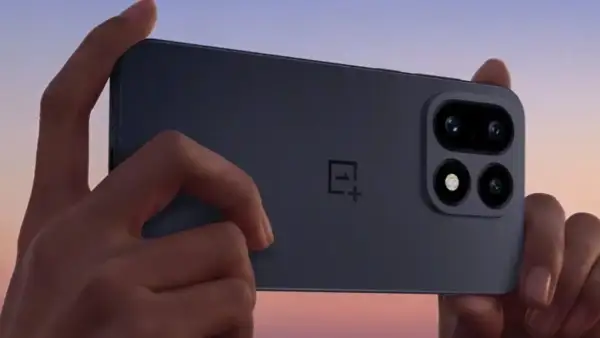
OnePlus could be planning an even higher refresh rate for its next flagship. The recently launched OnePlus 16 in China comes with a 185Hz OLED display.
And now, the company may be testing a 240Hz panel for the OnePlus 17. However, it remains to be seen whether this upgrade will make it to the final device.
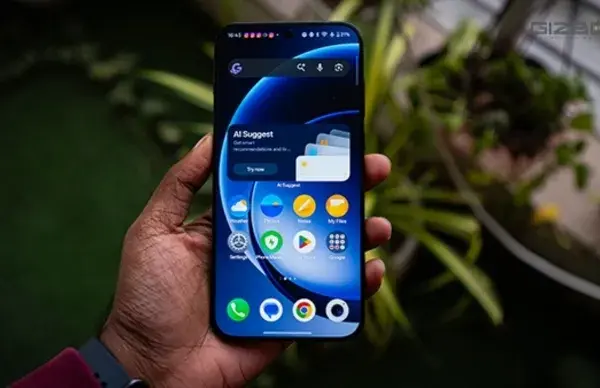
According to a report in , originally attributed to Chinese tipster Smart Pikachu, OnePlus is testing a 240Hz display panel for the OnePlus 17. The rumour stems from a post on Weibo, and there is no confirmation yet. If the rumour turns out to be true, OnePlus could be targeting users who want the smoothest possible experience, especially while playing games on their smartphones. But does the jump to 240Hz really make a big difference?
OnePlus 17 may come with 240Hz refresh rate
Let’s clear up some basics first. A display’s refresh rate determines how many times it can update the image on the screen every second. A 120Hz panel can refresh 120 times per second, while a 240Hz panel doubles that figure.
Higher refresh rates can make animations and movement look smoother. They can also help reduce the delay between a player’s input and what appears on the screen, although the actual improvement depends on several factors, including the game’s frame rate and the phone’s hardware.
The reported upgrade would build on the high refresh rate associated with the OnePlus 16, which is said to feature a 185Hz OLED panel. However, the OnePlus 17’s rumoured 240Hz screen remains a work in progress, and its final specifications are not yet known.
There is another detail worth watching. A display that natively refreshes at 240Hz is not the same as a 120Hz panel that uses black frame insertion to create a similar effect. The latter inserts black frames between displayed frames to change how motion appears, without delivering the same native refresh rate. The current leak does not clarify which technology OnePlus is testing.
Will you notice the difference between 120Hz and 240Hz?
The move from a 60Hz display to a 120Hz panel can make scrolling, animations and supported games feel noticeably smoother. Going from 120Hz to 240Hz, however, is a smaller practical upgrade for most people.
But things change when we talk about gaming. Well, competitive games, to be exact. When you play an esports title, quick reactions and precise movements matter. You may benefit from smoother motion and lower input latency in this scenario. However, do note that the display alone cannot deliver these advantages.
The game must support frame rates above 120 FPS, and the phone’s processor and GPU must be powerful enough to maintain them. If a game is capped at 120 FPS, a 240Hz screen will not magically make it run at 240 FPS. This means the upgrade could appeal to competitive mobile gamers, but casual players may see little benefit over a good 120Hz display.
Coming to everyday activities such as browsing the web, messaging and watching videos, the benefits could be limited. Most video content also runs at frame rates well below 240 frames per second.
Battery life is another factor to consider. Driving a display at a higher refresh rate can increase power consumption, although the actual impact depends on the panel and how the phone manages its refresh rate. OnePlus would need to balance smooth performance with battery efficiency.
For many users, improvements to brightness, colour reproduction, outdoor visibility and power efficiency could have a greater impact on the overall experience than a higher refresh rate alone.
OnePlus announces ColorOS 17 rollout schedule in India
While other details about the OnePlus 17 remain scarce, OnePlus recently announced the ColorOS 17 rollout schedule for eligible smartphones and tablets in India. The update, based on Android 17, is scheduled to begin on October 29, 2026, with the OnePlus 15 and OnePlus Pad 4. The OnePlus 15R, OnePlus 13 and OnePlus 13s are expected to follow on October 30.
Other devices, including the OnePlus Open, OnePlus 12 series and select Nord smartphones, are scheduled to receive the update in November and December 2026.
Some older models are expected to get it in the first quarter of 2027. The update brings a redesigned interface, performance improvements, new AI features and additional privacy and security tools. However, the rollout dates may vary by region and device.