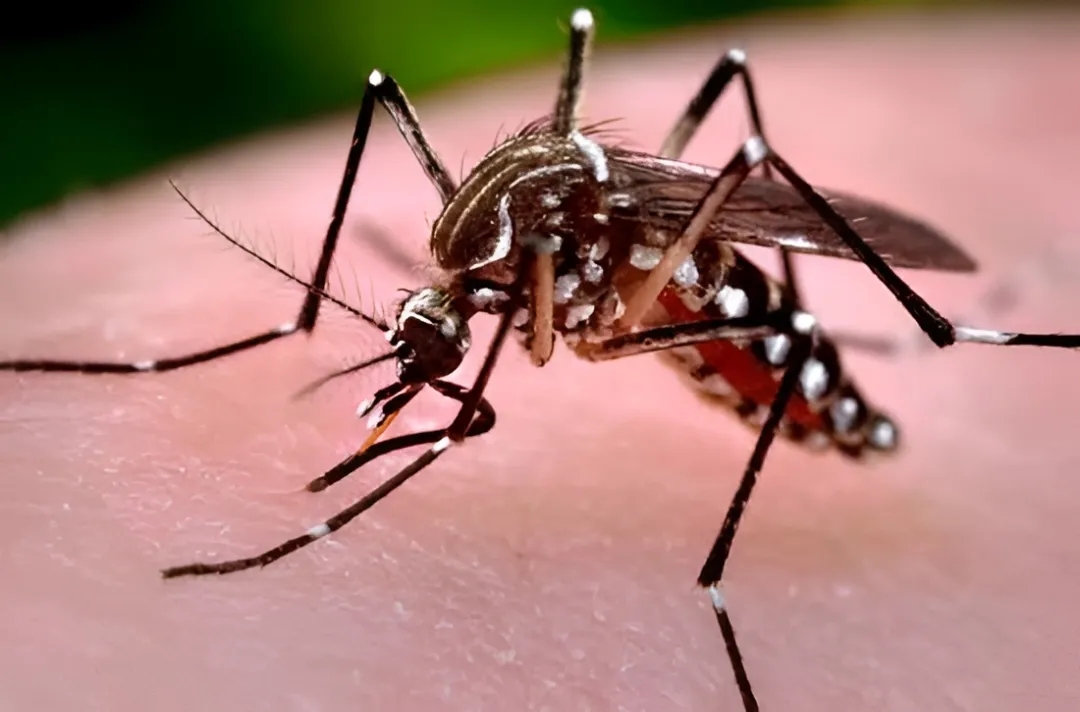
Malaria – Mosquito-borne diseases such as malaria can affect more than just body temperature and overall energy levels. In some cases, the infection can damage red blood cells, reduce hemoglobin levels and increase the risk of anemia. Children under five, pregnant women and people with weakened immune systems are particularly vulnerable to severe complications. Health experts recommend recognizing warning signs early, seeking timely medical care and taking preventive measures to reduce mosquito bites, especially during the monsoon and post-monsoon months.
How Malaria Can Lead to Anemia
Malaria is a potentially life-threatening disease caused by Plasmodium parasites, which are transmitted to humans through the bites of infected female Anopheles mosquitoes. Once inside the body, these parasites enter the bloodstream and infect red blood cells. As the infection progresses, affected cells are destroyed, while the body’s normal process of removing damaged red blood cells can also increase. These changes may cause hemoglobin levels to fall, resulting in anemia.
Red blood cells contain hemoglobin, a protein responsible for transporting oxygen from the lungs to different organs and tissues. When the number of healthy red blood cells decreases, the body may struggle to deliver enough oxygen to meet its needs. The severity of anemia depends on several factors, including the type of malaria parasite, the intensity of the infection, previous episodes of malaria and the patient’s overall health.
Not everyone diagnosed with malaria develops anemia. However, repeated infections and severe illness can increase the likelihood of complications, making early diagnosis and appropriate treatment essential.
Reduced Oxygen Supply Can Cause Weakness and Fatigue
A drop in hemoglobin can affect everyday activities and overall well-being. People with anemia may experience persistent tiredness, dizziness, weakness and shortness of breath, particularly while walking or climbing stairs. Some may also notice a rapid heartbeat as the body attempts to compensate for reduced oxygen delivery.
Pale skin or pale inner eyelids can sometimes indicate anemia, although these signs alone cannot confirm the condition. Symptoms may develop gradually or become more noticeable as the underlying illness progresses. Severe anemia can put additional strain on the heart and other organs, potentially leading to life-threatening complications.
Because malaria and anemia can produce overlapping symptoms, it is important not to rely on symptoms alone for diagnosis. Doctors may recommend malaria testing and a complete blood count to assess hemoglobin levels and red blood cell measurements. Further investigations may be needed to determine whether iron deficiency, nutritional deficiencies or another medical condition is also contributing to anemia.
Children and Pregnant Women Face Greater Risks
Although malaria can affect people of any age, children under five and pregnant women are at increased risk of severe disease and its complications. Young children may develop significant anemia during malaria infections, particularly when treatment is delayed or infections occur repeatedly. Their developing bodies need an adequate supply of oxygen to support growth, brain development and normal physical activity.
Malaria during pregnancy can also affect both the mother and the developing baby. The infection may contribute to maternal anemia and increase the risk of complications, including low birth weight and premature delivery. Pregnant women living in or travelling to malaria-affected areas should consult healthcare professionals about appropriate preventive measures and seek prompt medical attention if fever develops.
People with weakened immune systems or existing health conditions may also need closer medical monitoring. Anyone experiencing repeated fever, unusual weakness or persistent fatigue should discuss these symptoms with a healthcare professional rather than assuming they are caused by seasonal illness.
Warning Signs That Require Medical Attention
Malaria commonly causes fever, chills, headache, body aches and fatigue, although symptoms can vary between individuals. Anemia may cause additional signs, including dizziness, paleness, breathlessness and a racing heartbeat. These symptoms are not specific to malaria, so medical testing is necessary to identify the cause.
Seek urgent medical care if fever is accompanied by difficulty breathing, confusion, fainting, seizures, extreme weakness or reduced consciousness. These can indicate a severe illness requiring immediate treatment.
People should avoid taking antimalarial medicines or iron supplements without medical advice. Antimalarial treatment depends on the parasite involved, the severity of the infection and other individual factors. Iron supplements are useful when iron deficiency is present, but they do not treat malaria-related red blood cell destruction. Appropriate testing helps doctors select the right treatment and determine whether additional care is necessary.
Practical Ways to Prevent Mosquito Bites
Reducing mosquito exposure remains an important step in preventing malaria and other mosquito-borne infections. During periods of increased mosquito activity, households should regularly inspect their surroundings and remove stagnant water from containers, discarded tyres, coolers and other potential breeding sites.
Using mosquito nets, particularly while sleeping, can help protect against mosquito bites. Insect repellents approved for the intended user and used according to their product instructions can provide additional protection. Wearing long-sleeved clothing and ensuring that doors and windows have suitable screens can also reduce exposure.
Since malaria-transmitting mosquitoes often bite during evening and nighttime hours, nighttime protection is particularly important. However, preventive measures should be adapted to local mosquito activity and public health guidance.
Anyone who develops a fever after potential exposure to malaria should seek timely medical evaluation. Early diagnosis and appropriate treatment can reduce the risk of severe illness, including complications associated with anemia.