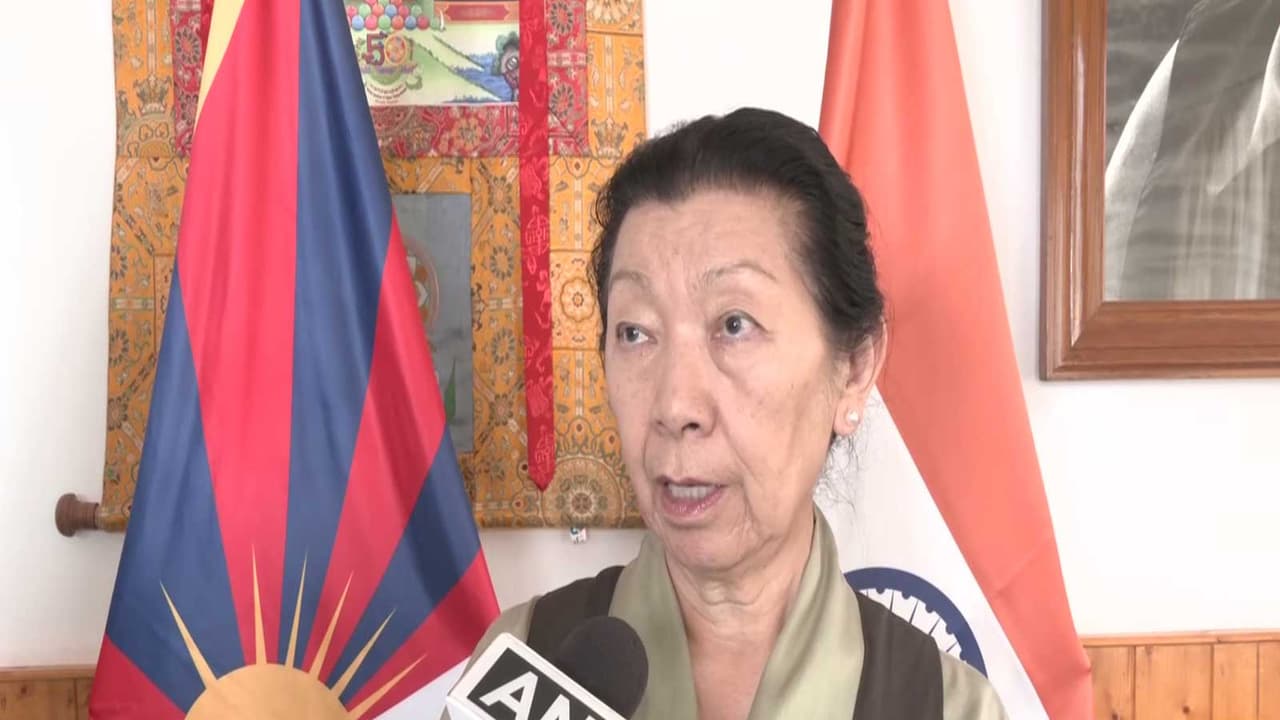
The Tibetan Parliament-in-Exile criticised China’s claims on Ladakh, calling them baseless. Speaker Dolma Tsering said the Tibet issue is central to border tensions and urged India not to prioritise trade over security with China.
The Tibetan Parliament-in-Exile has criticised China’s refusal to recognise Ladakh as a Union Territory of India, calling Beijing’s territorial claims baseless and arguing that the unresolved Tibet issue remains central to border tensions between India and China.
Tibet Issue Central to Border Dispute: Speaker Tsering
Reacting to China’s position, Dolma Tsering, Speaker of the Tibetan Parliament-in-Exile, said: “Beijing’s repeated attempts to rename geographical locations in Tibet and its construction of villages along border areas were concerning developments that India should take seriously while engaging diplomatically with China.”
“India should not allow trade and business engagements to take precedence over border security, stressing that both issues must be addressed together,” she said.
Tsering argued that China’s territorial claims could not be justified through assertions of ownership alone and must be supported by historical evidence. She maintained that Tibet remained central to the India-China border dispute and called on New Delhi to review its Tibet policy.
She further said, “A lasting resolution to the border dispute would be difficult without addressing the Tibet issue.” Referring to China’s policies in Tibet, she alleged that measures promoting ethnic assimilation and prioritising Mandarin over the Tibetan language threatened Tibet’s distinct cultural and religious identity. Tsering reiterated that the Tibetan leadership’s Middle Way Approach seeks a negotiated solution that would allow Tibetans to preserve their identity, culture and faith. She urged Beijing to resume dialogue rather than rely on military strength to advance its territorial claims.
MP Urges India to Reconsider ‘One-China’ Policy
Meanwhile, Tibetan MP Gompo Dhondup described China’s claims over Ladakh and other Himalayan regions, including Arunachal Pradesh, as baseless and said India should not entertain them. He asserted that Ladakh and Arunachal Pradesh were integral to India’s sovereignty and maintained that the people of these regions identified themselves with India. He also said China had no right to interfere in India’s sovereignty.
Dhondup linked the Tibetan issue to the long-term security of India’s Himalayan frontier, arguing that a free and independent Tibet would serve as a peaceful buffer between India and China along their more than 3,000-kilometre border. He urged the Indian government to reconsider its position on Tibet and repeal its One-China policy, arguing that stronger support for Tibet would serve both the interests of the Tibetan people and India’s national security interests.
The Tibetan parliamentarians maintained that Tibet’s unresolved political status must be considered in any effort to address the continuing territorial tensions between India and China.
(Except for the headline, this story has not been edited by Asianetnews Editorial staff and is published from a syndicated feed.)