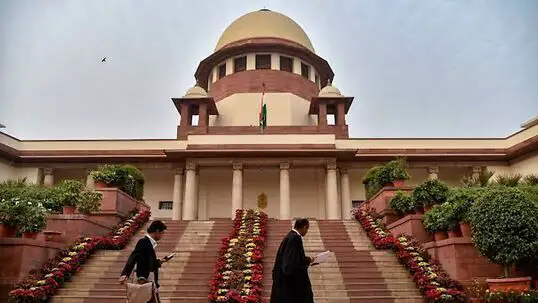
The Supreme Court has issued notice to the Centre and the Election Commission of India (ECI) on a plea filed by the Association for Democratic Reforms (ADR) challenging the legal immunity granted to the Chief Election Commissioner (CEC) and Election Commissioners from civil and criminal proceedings for acts carried out in the discharge of their official duties.
The matter has been tagged with petitions already pending before the court and is scheduled to be heard along with them on October 29.
At the centre of the challenge is Section 16 of the Chief Election Commissioner and Other Election Commissioners (Appointment, Conditions of Service and Term of Office) Act, 2023.
The provision states that courts cannot entertain or continue civil or criminal proceedings against a serving or former CEC or Election Commissioner for any act, thing or word committed, done or spoken in the discharge, or purported discharge, of official duties.
The challenge raises questions over the extent of legal protection available to the country’s top election officials and whether such immunity is consistent with constitutional principles of accountability and the rule of law.
What Is The Controversy?
The immunity provision has faced legal scrutiny since the 2023 Act was enacted. Critics of the law have argued that the protection could shield election officials from legal action over alleged wrongdoing in the exercise of their powers.
In January this year, the Supreme Court issued notice to the Centre and the ECI on a separate petition filed by the NGO Lok Prahari, which challenged Section 16. The court, however, declined to stay the provision at that stage, saying it would examine whether such immunity could be granted under the constitutional framework.
The provision has gained renewed attention amid fresh concerns regarding the functioning and independence of the Election Commission.
Earlier this month, the Supreme Court also sought responses from the Centre and election officials on a separate plea alleging that Chief Election Commissioner Gyanesh Kumar had taken decisions without the required participation or approval of the other Election Commissioners.
The petition raised concerns over collective decision-making within the three-member poll body.