The first Test between Australia and South Africa has been significantly affected by bad light, with nearly 61 overs lost across the opening three days.
Although Australia have dominated the match and remain in a strong position heading into the fourth day, the loss of playing time could increase the possibility of a draw.
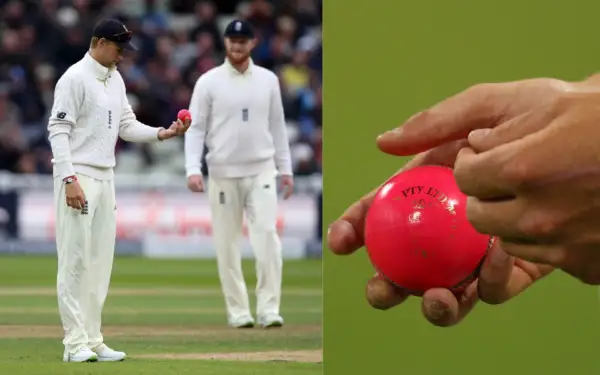
Amid the interruptions, former South Africa pacer Shaun Pollock has advocated for the use of the pink ball in daytime Test matches, arguing that its greater visibility in fading light could help extend playing time.
The discussion gained relevance on the third day when Nic Maddinson flicked a delivery over the square-leg region. Ryan Rickelton, stationed in the deep, failed to spot the ball as it sailed over his head for a six. The incident prompted the umpires to check the light meter, after which play was stopped due to insufficient light, and stumps were called.
Pollock, who was part of the ICC committee that recommended the use of pink balls in daytime Tests, believes the ball has received unfair criticism. He feels that using it in matches such as the ongoing Australia-South Africa Test could help reduce the number of overs lost to poor light.
“The pink ball would have meant we played 45 more overs of Test cricket, and that is why I am keen to introduce it, and not just for day-night games,” Pollock was quoted as saying by Hindustan Times.
Currently, the pink ball is primarily used in day-night Test matches, which have often witnessed lower scores. This has contributed to the perception that the ball offers excessive movement and gives bowlers an undue advantage.
Pollock, however, believes the criticism is often driven by the match situation rather than the ball itself.
“They say it moves too much. If Australia were 124/6 and we were using the pink ball, everyone would have said it was the pink ball’s fault. If Australia were 124/6 and got to 390, everyone in South Africa would have said it was the pink ball’s fault, that it got soft,” he said, addressing the concerns surrounding its performance.