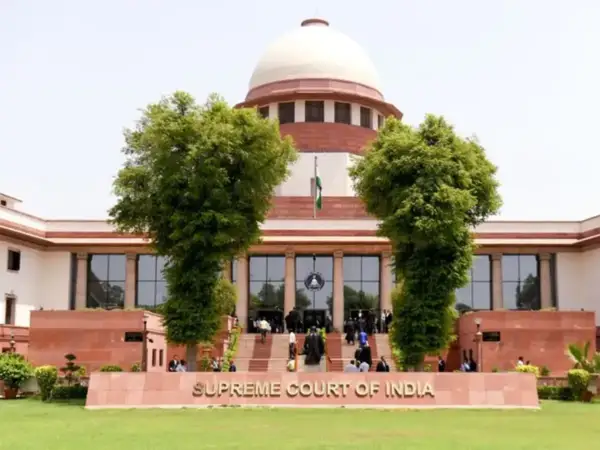
in its special hearing, directed authorities to review all barricading across Delhi and said it would remain a neutral arbiter while fulfilling its constitutional duty to protect fundamental rights under Article 32. The court also directed the authorities concerned to remove any boards or notices announcing the imposition of Section 163 of the Bharatiya Nagarik Suraksha Sanhita (BNSS) in and around its premises, if they had not already been taken down.
The top court also ordered that Metro and rail services in Delhi will function normally unless restrictions become necessary to address a public order situation. The Supreme Court bench of Justices Joymalya Bagchi and V Mohana said that the matter will be heard further on Tuesday (Oct 11).
On news reports regarding alleged violations, including claims of excessive force, illegal detentions and the involvement of a police officer without a badge, the top court sought answer from the authorities. The bench said that the removal of Section 163 notices was necessary to ensure there was no apprehension about access to justice, including entry to and exit from the Supreme Court and other courts.
The bench also said there must be no illegal detention, except through the procedure established by law, particularly in the case of people participating in peaceful, unarmed assemblies outside areas where prohibitory orders under Section 163 of the BNSS are in force. It also ordered that free movement of people and traffic across the city be permitted, subject to traffic requirements, and directed authorities to review the need for barricades forthwith, keeping law and order and traffic conditions in mind. The bench further said internet services must remain undisturbed in accordance with the law.