Jammu and Kashmir’s rise in domestic cricket has brought renewed attention to the region’s talent, but concerns remain over whether its facilities can support the next generation of players.
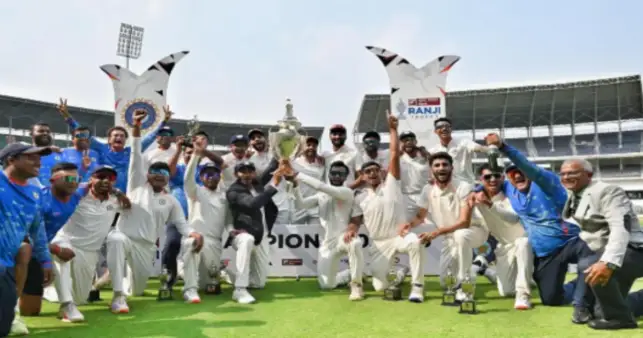
After winning the Ranji Trophy last season, the team has emerged as a stronger force in Indian cricket, with several players earning recognition at higher levels. Auqib Nabi’s India call-up, Srinagar hosting an Irani Cup fixture and J&K cricketers featuring in the Duleep Trophy have reflected this progress. However, the region’s grassroots infrastructure has not developed at the same pace, leaving aspiring players in several districts struggling to access proper grounds, coaching and organised pathways.
At the Sher-e-Kashmir Stadium in Srinagar, former Jammu and Kashmir captain Parvez Rasool says the facilities have changed little over the decades. He recalled that the venue remained in much the same condition in 2026 as it was when the Clive Lloyd-led West Indies team visited in 1983. According to Rasool, winning the Ranji Trophy has demonstrated the team’s capabilities, but the infrastructure supporting young players still requires significant improvement. As J&K prepare to begin their title defence against Madhya Pradesh, the challenge extends beyond maintaining their position among the country’s leading domestic sides. Building a reliable grassroots system will be essential to ensuring that success continues.
Left-arm pacer Sunil Kumar’s journey illustrates the difficulties faced by cricketers outside the region’s main centres. From Akhnoor, a town along the Chenab river, he began playing tennis-ball cricket in his village at around seven years old. His early practice took place on an open natural ground, and he had little knowledge of formal age-group cricket or how to pursue the sport professionally. He discovered the Under-19 and Under-23 pathways only after entering college. Formal coaching through the Jammu and Kashmir Cricket Association came later, but accessing training facilities in Jammu required him to travel around 65 to 70 kilometres each way, often taking between one-and-a-half and two hours. Sunil subsequently finished as J&K’s second-highest wicket-taker last season, claiming 31 wickets.
All-rounder Abid Mustaq experienced similar limitations growing up in Bhaderwah in Doda district, nearly 200 kilometres from Jammu. With limited cricket infrastructure and few formal opportunities, he initially trained on matting wickets before using makeshift cement tracks. He says the situation has begun to improve, with more academies and better practice facilities emerging. The success of J&K players has also changed how families view cricket as a career. Hosting a major fixture such as the Irani Cup in Srinagar has further encouraged young players by showing them that the region can participate in prominent domestic competitions. According to Abid, more families now believe their children can reach higher levels of the game.
Auqib Nabi, who claimed 60 wickets during J&K’s title-winning campaign, has also highlighted the obstacles facing aspiring cricketers in Baramulla. A shortage of suitable practice wickets and open spaces has made consistent training difficult, while access to existing nets is not always straightforward. Auqib said families had previously been hesitant to support cricket as a career because the available infrastructure offered little reassurance. Despite once studying medicine, he continued pursuing the sport and became only the third player from Jammu and Kashmir to represent India, according to the report. He believes every district needs grounds, turf wickets, accessible nets and academies. Former players and officials have similarly called for more facilities beyond Srinagar and Jammu, where the Sher-e-Kashmir Stadium and the Hostel Ground at GGM Science College serve as important venues.
The growing number of children playing cricket in Sunil’s village offers a glimpse of the change already underway. He says the number of youngsters gathering for evening games has increased from around eight to 10 to approximately 20 to 25, including children travelling from nearby places. However, sustaining that enthusiasm will require more than the inspiration created by the Ranji Trophy victory. Rasool believes talented players from villages and remote districts need proper infrastructure and platforms to progress. A dedicated international-standard stadium, additional district grounds and improved training facilities could help address the gap. With former Jammu and Kashmir Cricket Association administrator Mithun Manhas now serving as BCCI president, the region’s development remains an important opportunity. The next challenge is to ensure that young cricketers can turn growing aspirations into realistic opportunities without facing excessive travel or a shortage of basic facilities.