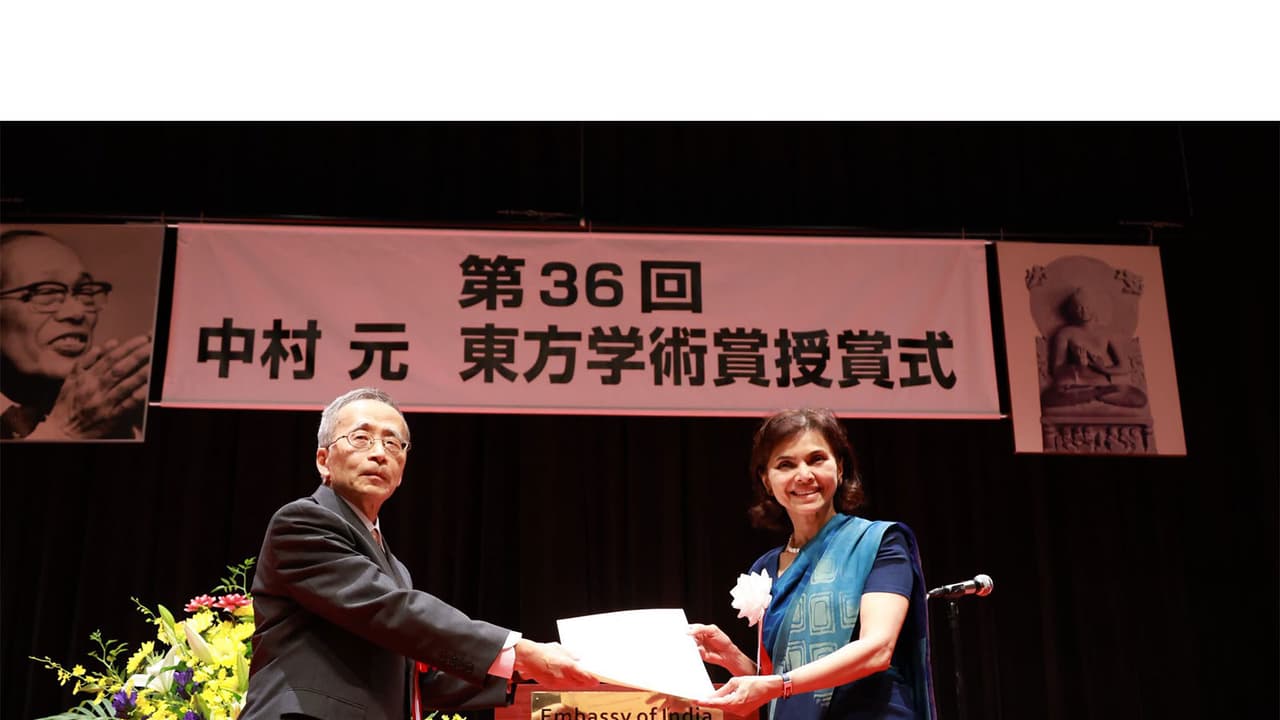
The Indian Embassy in Japan awarded the 36th Nakamura Gen Eastern Academic Award to Yoshimizu Kiyotaka for his extensive research on Indian philosophy and culture. Ambassador Malik presented the prestigious award to the Toyo Bunko Research Department scholar.
The Embassy of India in Japan presented the 36th Nakamura Gen Eastern Academic Award to Yoshimizu Kiyotaka of the Toyo Bunko Research Department, recognising his extensive research and significant contributions over many years to the study of Indian philosophy and Indian culture in Japan.
Embassy Hails Recipient’s Contributions
The award was presented by India’s Ambassador to Japan, Malik, at a ceremony held by the Indian Embassy on Friday, which recognises outstanding researchers for their contributions to Indian philosophy, Buddhism and Oriental studies. The recognition of Yoshimizu highlights his longstanding research activities and contributions to the study of Indian philosophy and Indian culture in Japan, the Indian Embassy said.
In a post on X, the Embassy of India in Japan said, “The Embassy of India in Japan held the award ceremony for the 36th Nakamura Gen Eastern Academic Award today, and we are honoured to have welcomed everyone to the venue. This award recognises outstanding researchers who have made remarkable contributions to the development of Indian philosophy, Buddhism, and Oriental studies.”
“The prestigious award was presented by Ambassador Malik to Dr. Yoshimizu Kiyotaka of the Toyo Bunko Research Department. Dr. Yoshimizu has been evaluated for his extensive research activities and significant contributions over many years to the study of Indian philosophy and Indian culture in Japan, leading to this recognition,” it added.
About the Award
The award is given to young researchers under the age of 45 and recognises academic contributions to the study and development of Indian philosophical and cultural traditions, including Buddhism and Oriental studies.
Deep-rooted India-Japan Ties
India and Japan share a ‘Special Strategic and Global Partnership’, with friendship between the two countries rooted in spiritual affinity and strong cultural and civilizational ties. Historical connections include the consecration of the statue of Lord Buddha at Todaiji Temple in Nara by Indian monk Bodhisena in 752 AD.
Prominent Indians associated with Japan include Swami Vivekananda, Nobel laureate Rabindranath Tagore, entrepreneur JRD Tata, freedom fighters Netaji Subhash Chandra Bose and Rash Behari Bose, and Justice Radha Binod Pal, whose dissenting voice at the War Crimes Tribunal continues to resonate among the Japanese public. The Japan-India Association, established in 1903, is the oldest international friendship body in Japan. (ANI)
(Except for the headline, this story has not been edited by Asianet Newsable English staff and is published from a syndicated feed.)