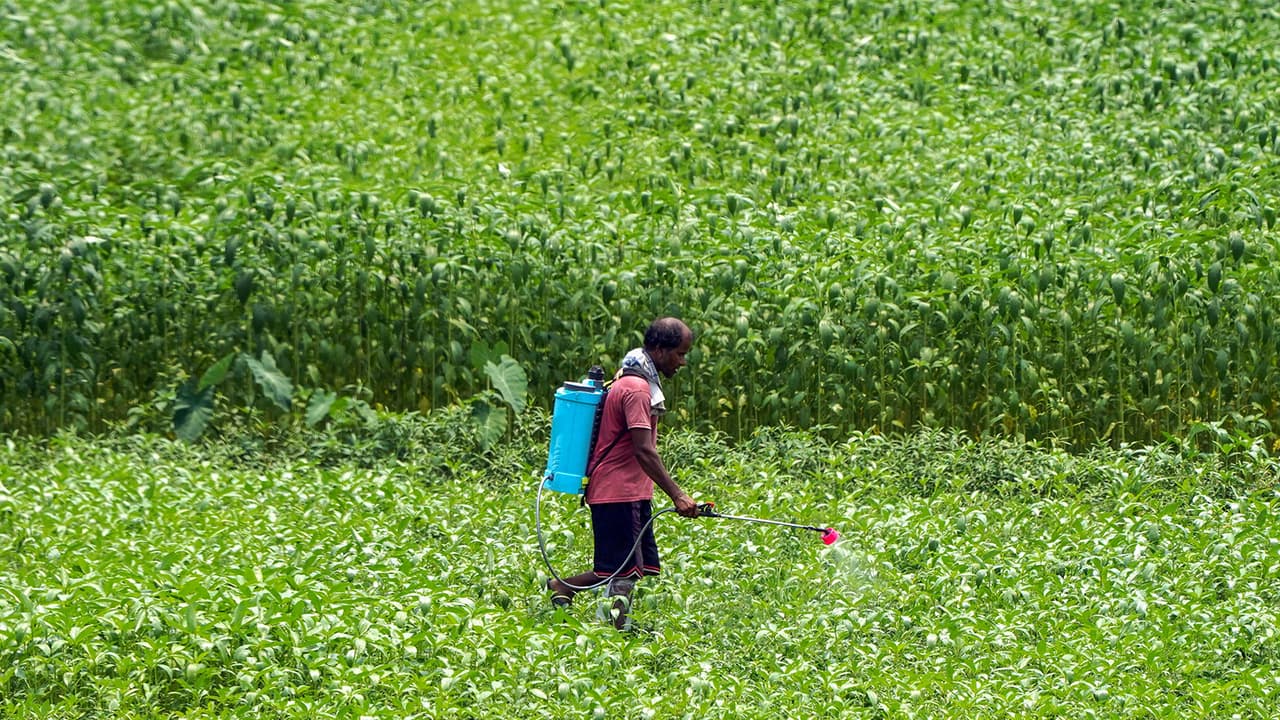
Global crop prices, including wheat (up 30% YoY), rose sharply in the September quarter, but agrochemical demand stayed weak due to poor monsoons in India and heat waves abroad, a Jefferies report noted, impacting Indian firms like UPL.
Global crop prices rose sharply during the September quarter, with wheat prices increasing 30 per cent year-on-year, but agrochemical demand remained weak amid subdued monsoon conditions in India and heat waves in overseas markets, according to a report by Jefferies. The divergence suggests that higher crop prices have yet to translate into stronger demand for crop protection chemicals, putting pressure on agrochemical manufacturers ahead of their September-quarter earnings.
Global Market Dynamics
In its India Chemicals September 2026 earnings preview, Jefferies said wheat, soybean and corn prices rose 30 per cent, 22 per cent and 19 per cent year-on-year, respectively. “Supply chain disruptions in the Black Sea and the Middle East conflict led to wheat/soybean/corn prices rising 30%/22%/19% y/y in the September quarter,” the report said.
Despite higher crop prices, global agrochemical demand remained subdued, reflected in a sharp decline in Chinese crop protection exports. “Chinese crop protection export volume fell 15% y/y in QTD2QFY27. The sharp decline after ~2.5 years of rapid growth implies weak global demand,” Jefferies noted.
Meanwhile, agricultural input prices showed relatively modest changes as supply chains recovered. Glyphosate prices rose 5 per cent year-on-year, while urea prices declined 2 per cent and diammonium phosphate (DAP) prices increased 3 per cent.
Impact on Indian Agrochemical Firms
Weak demand is also expected to weigh on Indian agrochemical companies’ September-quarter earnings. Jefferies expects PI Industries’ revenue to decline 8 per cent year-on-year, while its operating profit (EBITDA) could fall 30 per cent, driven by weaker exports and subdued domestic demand.
Similarly, UPL’s revenue is projected to decline 5 per cent, with EBITDA falling 6 per cent as crop protection demand remains weak. The report expects double-digit volume declines for UPL in India due to the weak monsoon, while Latin American volumes are also likely to fall by double digits amid changes in the company’s inventory strategy.
The estimates indicate that despite rising global crop prices and easing supply-chain pressures, agrochemical manufacturers continue to face a challenging demand environment.
(Except for the headline, this story has not been edited by Asianet Newsable English staff and is published from a syndicated feed.)