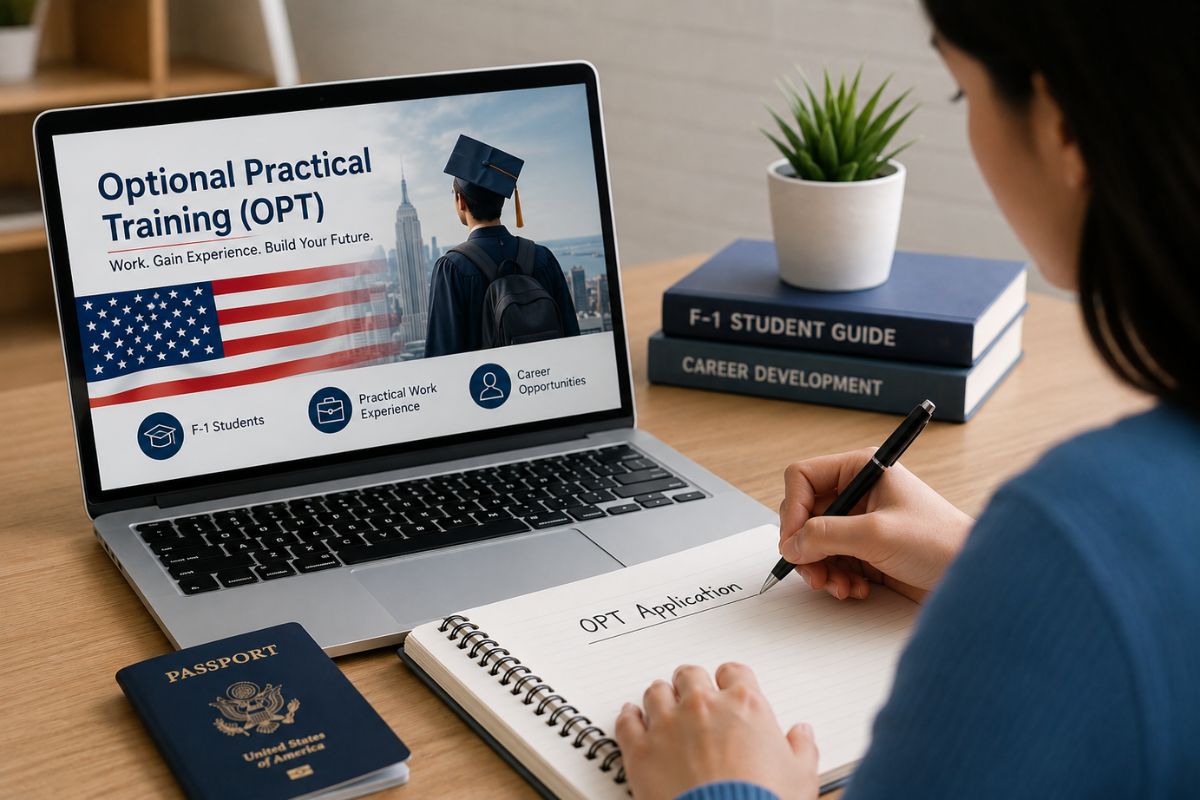
The US Department of Homeland Security has proposed a $70,000 fee for initial Optional Practical Training (OPT) authorisation, a move that could sharply raise the cost of hiring international graduates in the United States.
The proposal, announced on October 7, 2026, would apply to eligible F-1 students seeking OPT after completing their US studies.
The $70,000 fee would apply when an F-1 student is first recommended for OPT under the proposed rules, although the proposal does not establish that the student would personally pay the fee.
Proposed OPT Fees
The $70,000 fee would apply the first time an F-1 student is recommended for OPT after the rule takes effect, while each subsequent OPT recommendation would carry a proposed $30,000 fee. This would also cover subsequent OPT authorisations, including STEM OPT extensions.
Under the proposal:
- Initial OPT authorisation: $70,000
- Subsequent OPT authorisations: $30,000
- STEM OPT extensions: $30,000
OPT currently provides eligible F-1 graduates with a route to gain practical work experience in the US after completing their academic programme.
For international students, the change could have a serious knock-on effect. Universities and employers may become more selective about supporting international graduates if the proposed charges become mandatory.
Current OPT Process and Fee
The current standard Form I-765 filing fee is $470 when filed online or $520 by paper, according to the USCIS fee schedule.
Students can also request premium processing for eligible OPT and STEM OPT applications by filing Form I-907. From March 1, 2026, the premium processing fee for Form I-765 OPT/STEM OPT cases is $1,780, in addition to the regular I-765 fee.
Not Final Yet
The $70,000 charge is only a proposal at this stage. It will go through a public consultation process before the US government decides whether to implement it.
The broader signal is clear: the US is looking at much higher costs around post-study employment for international students, potentially making American education less attractive for some applicants.
30-Day Public Comment Period
The proposed regulation is due to be published in the Federal Register, opening a 30-day public comment period. An advance copy of the proposal is already available for review.
The fee will not take effect simply because DHS has proposed it. It must first complete the federal rulemaking process and be formally finalised. The proposal could also face legal challenges if it moves forward.
Travelobiz Take:
We see this proposal as a major concern for Indian students. If approved, the cost could discourage universities and employers from supporting OPT, making US study-to-work pathways harder.
Follow and connect with us on Facebook, Twitter, LinkedIn, Instagram and Google News for the latest travel news and updates!