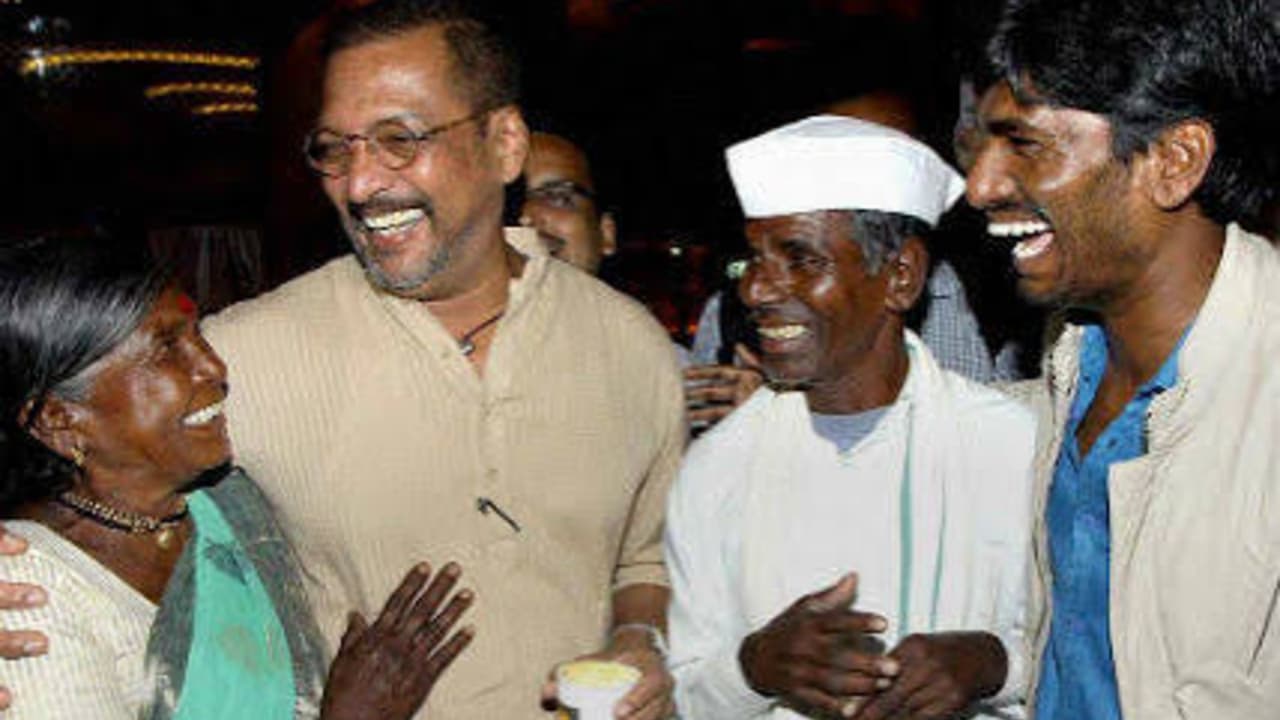
Renowned Indian actor Nana Patekar died on October 8 at the age of 75 following a cardiac arrest. Celebrated for his versatile performances in intense and comedic roles, he won multiple National Film Awards and a Padma Shri. Rejecting traditional stardom, Patekar preferred rural life and dedicated himself to humanitarian work.
Nana Patekar, one of Indian cinema’s most distinctive and unforgettable actors, died on October 8 at the age of 75 after reportedly suffering a cardiac arrest at his home in Goa. Doctors attempted to revive the veteran actor, but he could not be saved. While his death marks the end of a remarkable career spanning cinema, theatre and filmmaking, Nana Patekar’s legacy extends far beyond the characters he played on screen.
From intense characters to unforgettable comedy
Born Vishwanath Patekar in Murud-Janjira, Maharashtra, in 1951, Nana began his journey through theatre before making his mark in films. His performances were rarely conventional. Whether playing a villain, policeman, gangster, politician, soldier or a deeply troubled man, he brought an intensity that made his characters feel lived-in rather than performed.
His roles in films such as Parinda, Angaar, Apaharan and Krantiveer demonstrated his ability to portray morally complicated characters. But Nana could effortlessly switch from intensity to comedy. His portrayal of Uday Shetty in Welcome became one of his most beloved performances, proving that his talent extended well beyond serious roles.
His ability to use silence was equally powerful. A pause, expression or change in his voice could transform an entire scene. He later described himself as a “switch-on and-off kind of actor”, reflecting his belief that the character could be left behind once the work was over.
Also Read: Nana Patekar Dies at 75: From ‘Ek Machchhar’ to ‘Bhagwan Ka Diya’, A Look At His Most Iconic Dialogues
The actor who never completely embraced stardom
Away from the camera, Nana was known for his blunt personality and his apparent discomfort with the traditional machinery of celebrity culture. He became increasingly selective about his film choices and was willing to reject scripts he did not believe in.
But his life outside cinema revealed another side. He increasingly preferred spending time at his farmhouse, surrounded by animals and rural life rather than the constant attention of Mumbai. In a 2023 interview, he spoke about his 12-14 acre farmhouse, where he spent time with dogs, cows and bullocks and also helped farmers living nearby.
His connection with rural Maharashtra was not simply a lifestyle choice. It became central to his humanitarian work.
From a farmer’s pain to the Naam Foundation
Nana’s concern for farmers deepened after he watched a television report about the family of a farmer who had died by suicide. The story stayed with him and prompted him to question the purpose of simply keeping money saved when it could instead help people facing desperate circumstances.
In 2015, Nana and fellow Marathi actor Makarand Anaspure established the Naam Foundation, focusing on farmers and rural communities affected by drought and distress. The organisation has worked in areas including water conservation, rural development and farmer welfare.
Even in the months before his death, Nana continued speaking about farmers and the emotional struggles associated with the agrarian crisis. His concern was not limited to financial assistance; he repeatedly emphasised dignity, reassurance and the importance of letting struggling farmers know that they were not alone.
Nana Patekar leaves behind an extraordinary body of work, including Natsamrat, Krantiveer and Parinda, along with three National Film Awards and the Padma Shri. Yet his legacy cannot be measured only through awards.
As he once said, “You have to prove yourself every day.” Nana spent his career doing exactly that — on stage, on screen and, eventually, through the lives he touched away from the spotlight.
Also Read: ‘I Was 76 Kg, Came Back At 56 Kg’: When Nana Patekar Spent 60 Days With Indian Army During Kargil War