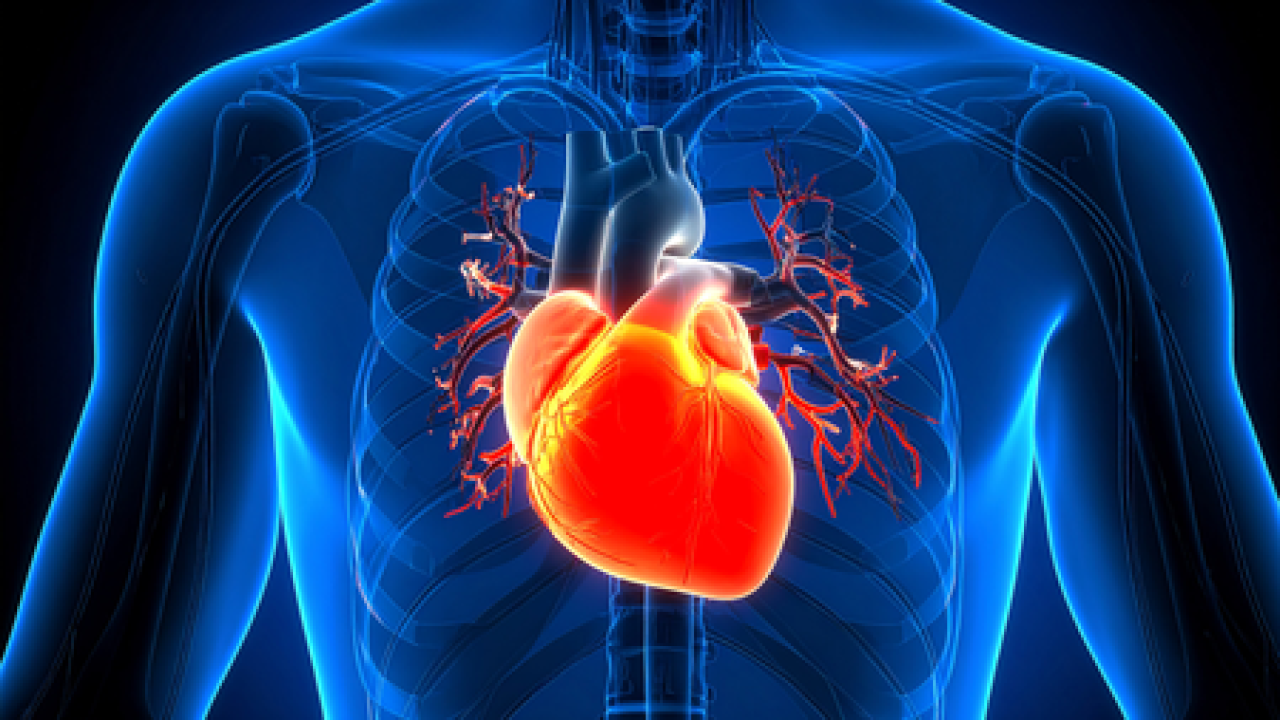
Recognizing the early signs of a heart attack can be challenging, especially when symptoms appear gradually or fluctuate. It is crucial to take any new or unusual symptoms seriously and seek help promptly.
Many people mistakenly use the terms heart attack and cardiac arrest interchangeably, but they are not the same. While cardiac arrest can result from a heart attack, it can also occur due to other issues.
According to the American Heart Association, cardiac arrest happens when the heart suddenly stops beating, often due to an electrical malfunction that disrupts the heart’s rhythm. When this occurs, the heart fails to pump blood to vital organs like the brain and lungs. A person experiencing cardiac arrest may become unresponsive, stop breathing, or only gasp for air. Without immediate assistance, death can occur.
The American Heart Association emphasizes that performing CPR immediately can double or triple a person’s chances of survival during a cardiac arrest. First, call your local emergency number. Then, begin CPR. If an Automated External Defibrillator (AED) is nearby, use it as soon as possible. If two people are available to help, one should start CPR while the other calls for emergency assistance and retrieves the AED. Every minute counts, as the likelihood of survival decreases by 10% for each minute without help. Emergency personnel can also provide critical assistance to someone whose heart has stopped.
In contrast, a heart attack occurs when blood flow to a part of the heart is blocked, usually by a clogged artery. If this blockage is not resolved quickly, the affected heart tissue can begin to die. Symptoms of a heart attack can appear suddenly and may include severe chest pain, discomfort in other areas of the upper body, difficulty breathing, cold sweats, nausea, or vomiting. Sometimes, these symptoms develop gradually and can last for hours or days.
Unlike cardiac arrest, the heart typically continues to beat during a heart attack. However, the longer it takes to receive help, the greater the risk to the heart. Heart attacks can affect anyone, but symptoms may not be as obvious in women, diabetics, and the elderly. For instance, chest pain may not always be present. If you are uncertain whether you are experiencing a heart attack, it is vital to contact your local emergency number. Every minute is critical!
The best course of action is to call your local emergency number to ensure immediate transport to an emergency room. Emergency medical staff can begin treatment as soon as they arrive. Patients with chest pain who arrive by ambulance often receive quicker treatment in the hospital.