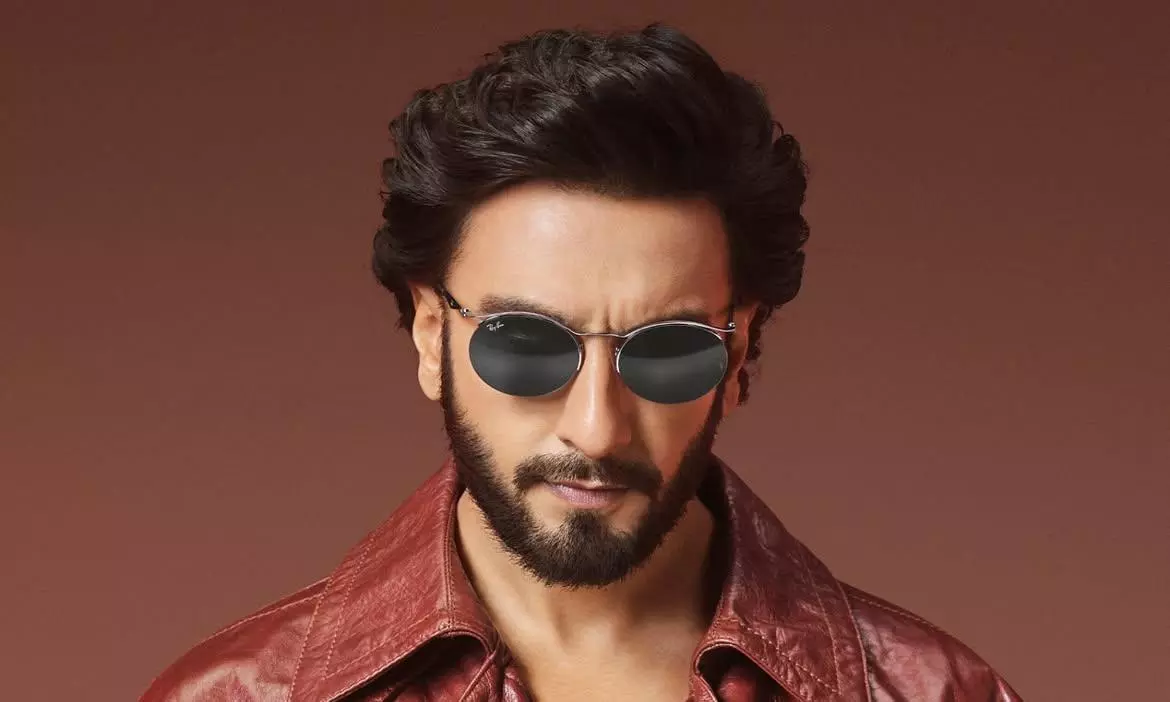
Ranveer Singh’s appointment as the first Indian brand ambassador for Ray-Ban and Ray-Ban Meta has sparked social media backlash, with critics questioning the privacy implications of promoting camera-equipped smart glasses.
Named the face of the “Frame Your True Self” campaign on October 1, 2026, Ranveer was welcomed by fans for the association’s high-fashion appeal. But the announcement also triggered debate over surveillance, bystander consent and the risks of recording people in public spaces.
Critics argue that the glasses’ built-in cameras could make recording less noticeable, potentially normalising filming without the knowledge or consent of others. The concern extends beyond the product to the influence of celebrity endorsements in making such technology socially acceptable.
The debate is not confined to India. On October 2, Dutch eyewear retailer Hans Anders suspended sales of Ray-Ban Meta glasses in the Netherlands and Belgium amid concerns about covert recording.
Meta says the glasses feature a built-in LED indicator that lights up during recording and cannot be disabled. The camera is also disabled if the light is covered or damaged. Critics, however, question whether these safeguards adequately address consent, particularly in crowded public spaces.
For Ranveer, the association marks a significant brand milestone. But the backlash raises a broader question about the responsibility celebrities carry when endorsing technology that can affect people beyond its users.
PRIVACY IN THE FRAME
Ray-Ban Meta glasses feature built-in cameras, raising concerns about privacy and recording people without their consent. Global stars, including Kylie Jenner and BLACKPINK’s Jennie, have also faced criticism for their association with the brand.