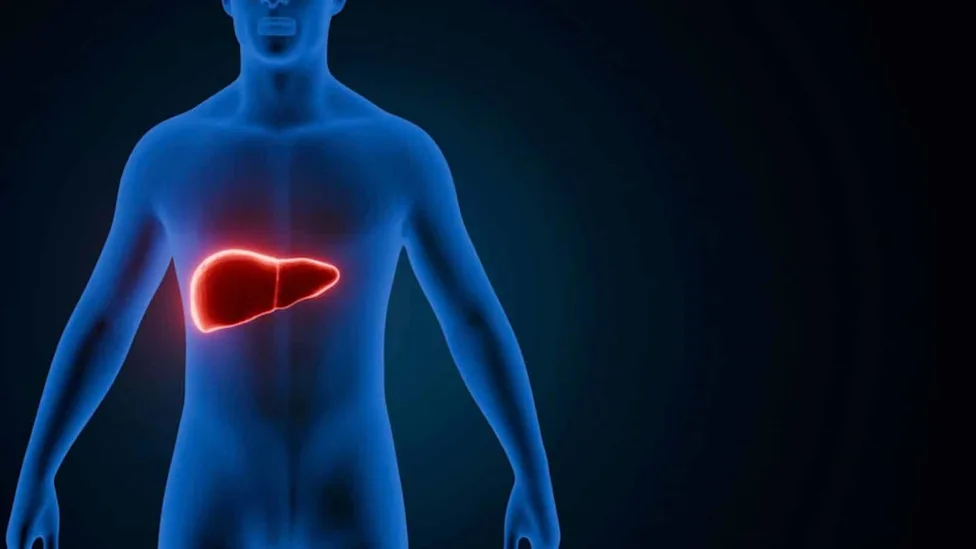
A person’s death does not mean every organ instantly becomes unusable. Hearts, lungs, kidneys and livers can remain viable for transplantation for hours, provided doctors recover and preserve them quickly. New technologies are now pushing those limits further, allowing transplant teams to revive, test and sometimes repair organs that might once have been discarded.
The timing depends heavily on the organ and what happens after circulation stops. A heart is much less tolerant of prolonged oxygen deprivation than a kidney, and warm organs deteriorate faster than organs rapidly cooled for preservation.
That difference has turned organ preservation into a race against time. But machine perfusion and newer methods of restoring circulation are beginning to change what that race looks like.
Hearts and lungs have some of the shortest preservation windows
Once a donated organ has been removed and placed into cold preservation, the clock does not stop completely. Cooling dramatically slows metabolism and cellular damage, but every organ has limits on how long it can remain without normal blood circulation.
According to , hearts and lungs are usually transplanted within about six hours after recovery. Because those windows are so short, location plays a major role in matching donors with recipients.
A donor heart may need to move from one hospital to another by helicopter or chartered aircraft while another surgical team prepares the recipient.
Livers, pancreases and intestines typically have somewhat longer windows. HRSA says these organs are generally transplanted within about 12 hours, though the exact acceptable time depends on organ quality and the transplant team’s judgment.
Kidneys offer the most flexibility. Many can remain suitable for transplantation for around 36 hours, and some preservation guidelines extend that range further under certain circumstances.
These figures are not expiration dates. Every additional period without normal circulation can increase injury, and transplant teams generally prefer the shortest possible preservation time.
Takeaway: Hearts and lungs generally have only hours outside the body, while kidneys can often remain transplantable much longer.
Cooling is what makes those extra hours possible
An organ deprived of blood at normal body temperature begins accumulating damage quickly. Cells lose oxygen, energy production falters and chemical conditions inside tissues start changing. Cooling slows those reactions, buying transplant teams valuable time.
Traditionally, donated organs are flushed with specialized preservation solution and packed in sterile cold storage.
The temperature is low enough to reduce metabolism substantially but not so low that the organ freezes. Freezing would create ice crystals that could physically damage cells and tissue structures.
The period during which an organ remains cold and without a normal blood supply is known as cold ischemia time.
The downside is that cold storage does not actively repair anything. The organ continues deteriorating, just much more slowly.
When blood flow is eventually restored inside the recipient, another challenge appears. Reoxygenating tissue that has been starved of oxygen can trigger inflammation and cellular injury known as ischemia-reperfusion injury.
Researchers have therefore begun looking for ways to do more than simply put an organ on ice.
Takeaway: Cold preservation slows cellular damage enough to make transplantation possible, but it does not completely stop organ deterioration.
Machines can now keep some organs functioning outside the body
Machine perfusion is changing organ preservation by replacing passive cold storage with an active system that pumps fluid, oxygen and nutrients through the organ outside the donor’s body. In some systems, the organ can function at temperatures close to normal body temperature.
A heart can beat on a perfusion machine. A liver can produce bile. Doctors can monitor blood flow, metabolism and other measures before deciding if the organ is suitable for transplantation.
This gives transplant teams something cold storage cannot offer: an opportunity to see how the organ actually performs.
Machine perfusion can also extend logistical windows. A recent on liver perfusion described how these systems are moving transplantation from simple preservation toward organ assessment and even repair.
Experimental research is exploring the possibility of maintaining livers outside the body for days rather than hours. That is far beyond traditional cold-storage timelines and could eventually give doctors enough time to treat damaged organs before transplantation.
Kidneys are benefiting too. A 2025 found that hypothermic machine perfusion can reduce delayed graft function compared with traditional cold storage, particularly in higher-risk donor kidneys.
Takeaway: Machine perfusion can turn organ preservation from passive cooling into an active period when doctors can monitor—and potentially improve—the organ.
Doctors are transplanting hearts after circulation has already stopped
Heart transplantation once relied overwhelmingly on donors whose hearts were still beating after brain death had been declared. Donation after circulatory death is changing that by allowing some hearts to be recovered after circulation has permanently stopped.
The challenge seems obvious: how do you transplant a heart after it has stopped beating and has been deprived of oxygen?
One approach involves quickly removing the heart and placing it onto a machine that restores warm, oxygenated circulation. The heart can then begin beating again outside the donor’s body.
Another technique, normothermic regional perfusion, restores circulation to selected organs inside the deceased donor while preventing blood flow to the brain.
These techniques have expanded the donor pool substantially.
A 2026 national examined 2,831 U.S. adult heart transplants using organs donated after circulatory death. By 2025, these transplants represented nearly one-quarter of adult heart transplantation in the United States.
Researchers found strong survival outcomes with both major recovery techniques, with normothermic regional perfusion showing a modest advantage during the earliest period after transplantation.
This is a remarkable change. Hearts that would once have been considered unavailable because circulation had stopped are now saving people with end-stage heart disease.
Takeaway: New perfusion techniques allow some hearts to be restarted and successfully transplanted after the donor’s circulation has stopped.
A donated child’s heart was reanimated directly on the operating table
Recent work has pushed this concept into pediatric transplantation, where the shortage of suitable donor hearts can be especially severe because children require appropriately sized organs.
In 2025, doctors reported the on-table of a pediatric heart recovered after circulatory death.
The heart was restarted outside the deceased donor and successfully transplanted into a 3-month-old baby.
The technique was designed to avoid some of the equipment and ethical complexities associated with restoring regional circulation inside the donor’s body.
It is still an early approach, and one successful case does not establish how widely the method can be used. But it demonstrates how quickly the boundaries of organ recovery are moving.
A heart no longer has to be continuously beating inside a donor for doctors to determine that it can function inside another person.
Takeaway: Surgeons have now reanimated a pediatric donor heart after circulatory death and successfully transplanted it into an infant.
Kidneys can benefit even after longer periods of reduced circulation
Kidneys are naturally more tolerant of preservation than hearts, which is one reason they can travel much farther between donor and recipient. But doctors are also using perfusion techniques to improve kidneys recovered after circulatory death.
A nationwide U.S. examined more than 21,000 adult kidney transplants from circulatory-death donors performed between 2020 and 2025.
After researchers matched comparable cases, kidneys recovered using normothermic regional perfusion were associated with substantially less delayed graft function.
Delayed graft function occurs when a transplanted kidney does not begin working properly right away and the recipient may temporarily require dialysis.
The rate was about 30% in the perfusion group compared with nearly 50% without it. Researchers also reported shorter hospital stays and improvements in longer-term graft and patient outcomes.
This suggests the benefit is not simply keeping an organ alive longer. Restoring circulation under controlled conditions may actually reduce some of the injury created by the period without normal blood flow.
Takeaway: Modern perfusion techniques may help doctors rescue and improve kidneys exposed to conditions that once made transplantation riskier.
Experiments suggest organs may remain recoverable even longer than doctors thought
The most dramatic evidence comes from research that was not initially designed as ordinary transplantation. Scientists have shown in animals that cellular damage after death can sometimes be interrupted even after organs have spent a prolonged period without circulation.
In the researchers induced cardiac arrest in pigs and left the animals without circulation for one hour at normal body temperature.
They then connected them to a specialized perfusion system carrying oxygen and compounds designed to reduce inflammation, protect cells and improve circulation.
Researchers restored blood flow throughout the body and detected cellular and metabolic recovery in organs including the heart, liver and kidneys. Tissue integrity improved and cell death decreased compared with pigs treated using conventional ECMO.
The animals were not revived as living, conscious animals. That was not the experiment’s goal.
The important discovery was that an hour of complete warm ischemia had not destroyed every possibility of cellular recovery.
For transplantation, that raises a much larger possibility. Some organs currently rejected because doctors believe they have suffered too much oxygen deprivation might eventually become usable if technology can reverse enough of that damage.
Takeaway: Animal experiments suggest some organ cells remain recoverable after far longer periods without circulation than traditional assumptions suggested.
Scientists are moving from organ preservation toward organ repair

Photo Credit: Deposit Photos
The next stage of transplantation may not be about asking how long an organ can simply survive outside the body. Researchers increasingly want to use that time to treat the organ before it ever reaches the recipient.
Normothermic machine perfusion creates an unusual opportunity because the organ is alive and functioning outside the body while doctors have direct access to it.
Researchers are testing drugs, anti-inflammatory treatments, gene therapies and other interventions during this period.
A 2026 systematic examined experimental therapeutic treatments delivered to kidneys, livers and hearts during machine perfusion. The field remains young, but the underlying idea could transform transplantation.
A marginal liver might one day spend hours or days on a machine receiving treatment until its function improves enough for transplantation.
A damaged kidney could potentially be assessed, treated and tested before doctors expose a recipient to the risk of transplanting it.
That would turn the preservation period into something closer to an organ intensive-care unit.
Takeaway: Researchers are beginning to use the time outside the body not only to preserve organs, but also to test and potentially repair them.
The real answer depends on what “survive” means
There is no single answer to how long an organ remains alive after a person dies. The heart, lungs, liver and kidneys all tolerate oxygen deprivation differently, and preservation technology dramatically changes how long useful function can be maintained.
Under conventional transplant conditions, hearts and lungs usually need to reach recipients within about six hours. Livers, pancreases and intestines generally have roughly half a day, while kidneys may remain usable for around a day and a half.
But those numbers describe standard preservation, not an absolute biological endpoint.
Machine perfusion is already stretching some of these windows and making organs usable that once would have been discarded. Experimental research goes further, showing that cells inside major organs can sometimes be pushed toward recovery even after prolonged periods without circulation.
That matters because the shortage of donor organs remains enormous. As of July 2026, more than 95,000 people in the United States alone were waiting for a kidney, with thousands more waiting for hearts, lungs, livers and other organs, according to .
Every additional donor organ doctors can safely recover, preserve or rehabilitate has the potential to become someone else’s second chance.
The question may therefore be shifting. Instead of asking how long an organ remains usable after death, researchers are increasingly asking how much of the damage that follows death can be slowed—or even reversed.
Question for you. Which seems more remarkable: that a heart can be restarted and transplanted after circulatory death, or that scientists may eventually be able to repair damaged organs outside the body before transplantation?