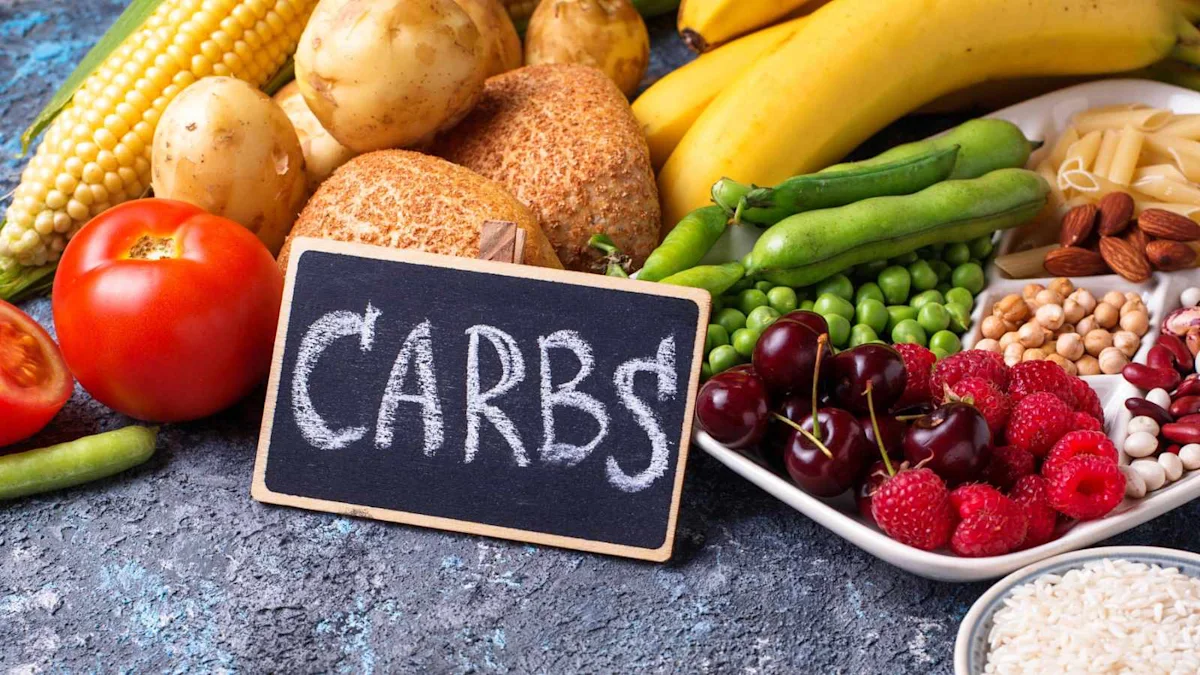
They have been blamed for weight gain, metabolic problems, and the idea that the body works better when it runs on less. But a new study in older adults found that eating more carbohydrates, not fewer, produced the biggest shift toward a younger biological-age profile.
The four-week experiment did not test a trendy carb-heavy diet or ask participants to load up on processed foods. Instead, researchers carefully changed the balance of carbohydrates, fat, and protein in the diets of 104 healthy adults ages 65 to 75 to examine how different eating patterns affected markers linked to biological aging.
The result stood out.
After the intervention, participants following a higher-carbohydrate, lower-fat omnivorous diet had a biological-age estimate roughly 3.5 to 4.1 years younger than those following a higher-fat omnivorous diet.
The finding does not mean carbohydrates are an anti-aging treatment or that every carbohydrate-rich food belongs in a healthy diet. But it does challenge the assumption that reducing carbohydrates is always the best nutritional strategy for older adults.
The Study Was Not Testing A “Carb Diet”
The University of Sydney trial was designed around a more specific question: how does changing the balance between major nutrients affect biological aging?
into four dietary groups that varied in two ways: whether their protein came mainly from plant or animal sources, and whether their overall eating pattern was higher in carbohydrates or higher in fat.
The higher-carbohydrate diets were not built around refined snacks or sugary foods. They emphasized minimally processed carbohydrate sources and increased fiber intake while reducing fat and animal protein compared with participants’ usual diets.
“Carbohydrates” can describe very different foods.
Beans, lentils, vegetables, and whole grains provide carbohydrates alongside fiber and other nutrients. They are not the same nutritional package as highly processed foods that also contain carbohydrates.
The study’s finding was linked to the overall dietary pattern, not simply increasing carbohydrate intake.
What Does A Younger Biological Age Mean?
The phrase “younger biological age” sounds like researchers discovered a way to reverse aging.
That is not what the study showed.
Biological-age measurements are estimates based on markers that reflect aspects of how the body is aging. Researchers used the Klemera-Doubal Method, which incorporates measures including blood pressure, glucose-related markers, cholesterol, triglycerides, inflammation-related markers, and body weight.
After four weeks, the higher-carbohydrate, lower-fat omnivorous group showed changes in these measurements that translated into a younger biological-age estimate.
But biological-age clocks are still an emerging area of research. A change in a biological-age score over a short period does not prove that someone’s aging process has been permanently slowed, or that the person will live longer.
The study identified a shift in aging-related biomarkers, not a proven way to extend lifespan.
Why Researchers Are Looking More Closely At Carbohydrate Quality
One possible piece of the puzzle is fiber.
Many adults (more than 90% of women and 97% of men in the U.S.) do not eat , and diets often fall short on foods such as vegetables, fruits, and whole grains.
The carbohydrate sources emphasized in the study (including minimally processed foods) provide more than energy. They also contribute fiber and other nutrients that researchers have studied in relation to metabolic health.
That may help explain why the findings cannot simply be reduced to “more carbs are better.”
The type of carbohydrate, the foods it replaces, and the wider dietary pattern all appear to matter.
How This Fits With Other Aging Research

Image Credit: olgaddemina via 123RF
The new findings add to a larger debate over whether diet can influence biological aging.
Previous research has focused heavily on restriction-based approaches.
one of the largest randomized studies of calorie restriction in humans, found that reducing calorie intake affected one measure of biological aging, although results varied depending on which biological-age clock researchers used.
Other research has examined and plant-forward diets, with studies finding associations with favorable biological-age markers.
But scientists have not identified a single diet that universally slows aging.
The emerging research suggests that aging biology responds to complex dietary patterns rather than one nutrient acting alone.
The Study Only Lasted Four Weeks
The study’s most important limitation is its short duration.
Four weeks is enough time to detect changes in some biological measurements, but not enough to determine whether those changes translate into long-term differences in disease risk, independence, cognitive health, or lifespan.
The participants were also healthy older adults, meaning the findings may not apply to every population.
Most importantly, the study shows an association between a specific dietary pattern and biological-age measurements. It does not prove that eating more carbohydrates will make people age more slowly.
What Older Adults Should Take From The Findings
The study is unlikely to settle the long-running debate over carbohydrates.
But it does add another layer to it.
Instead of treating carbohydrates as a single category of food to eliminate, the research points toward a more detailed question: what types of carbohydrates are being eaten, and what role do they play within the overall diet?
Aging nutrition may not come down to avoiding one food group.
It may come down to building a dietary pattern that includes high-quality foods, adequate protein, healthy fats, and carbohydrate sources that provide more than just calories.
For a generation that has spent years hearing that carbs are the problem, this study offers a different possibility: the answer may have been more complicated all along.