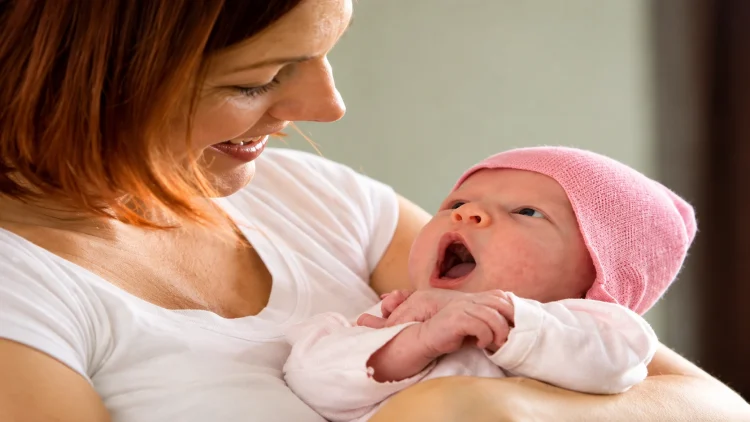
Remarks about weight gain, hair loss or changes in appearance can feel particularly hurtful when directed at a woman who has recently given birth. After childbirth, the body needs time to recover from pregnancy and delivery, while the demands of caring for a newborn can also affect sleep, energy and emotional well-being. Recent social media discussions around actress Katrina Kaif’s appearance and weight after delivery have once again highlighted how quickly people comment on a new mother’s body. However, comparing a woman’s postpartum appearance with her pre-pregnancy body or someone else’s recovery does not reflect the reality of postpartum health.
Weight May Not Return Immediately After Delivery
Pregnancy-related weight does not necessarily disappear as soon as the baby is born. The body undergoes a gradual recovery process, and the pace can vary considerably from one woman to another. Factors such as age, pregnancy weight gain, eating habits, sleep, physical activity, breastfeeding and other health conditions may influence changes in weight. A new mother therefore should not be expected to achieve a particular body shape within a fixed period.
The Abdomen Can Look Different for Some Time
The stomach may remain visibly different after childbirth, and this does not automatically indicate a health problem. During pregnancy, the uterus expands significantly and takes time to return toward its earlier size after delivery. The abdominal muscles can also stretch and change during pregnancy. As a result, expecting the abdomen to become flat immediately after childbirth is unrealistic and can create unnecessary pressure on new mothers.
Hormonal Shifts Can Affect Daily Well-Being
Pregnancy and childbirth are accompanied by major hormonal changes. Levels of hormones such as estrogen and progesterone change after delivery, and these shifts can influence mood, sleep, appetite and energy. The body needs time to adjust to its new hormonal state, while the demands of caring for a newborn can make the adjustment period even more challenging.
Breast Changes Are Common During Breastfeeding
Breastfeeding can bring noticeable changes in breast size, fullness and sensitivity. As milk production begins, breasts may feel heavier or more swollen, and some women experience tenderness or discomfort during the early days. These changes can vary from person to person and are part of the physical transition associated with feeding a newborn.
Hair Loss May Appear After Childbirth
Some women notice increased hair shedding several weeks or months after giving birth. Hormonal changes are one factor associated with postpartum hair loss, although the severity and duration can differ between individuals. Seeing more hair on a comb or while washing the hair can therefore occur during the postpartum period and does not mean every woman is experiencing the same level of hair loss.
Sleep Loss and Exhaustion Can Become Major Challenges
A newborn’s feeding and care schedule can significantly disrupt a mother’s sleep. Frequent waking and limited opportunities for uninterrupted rest may leave her feeling physically and mentally exhausted. Sleep deprivation, stress and the demands of adjusting to a new routine can become important challenges during the early postpartum period.
Skin and Body Shape May Also Change
Stretch marks can develop on the abdomen and other parts of the body during pregnancy and may remain visible after delivery. Changes in overall body shape can also continue during recovery. These changes are not identical for every woman, and appearance alone cannot be used to judge whether someone is healthy or recovering well.
Mental Health Deserves Equal Attention
Postpartum recovery is not only physical. Hormonal changes, sleep disruption, new responsibilities and the pressure of caring for a baby can affect emotional well-being. If persistent sadness, anxiety or other mental health difficulties continue, speaking with a healthcare professional is important. Support from family members and others around a new mother can also make the recovery period easier.
Every Mother’s Recovery Follows a Different Timeline
There is no single appearance or timetable that defines a normal postpartum recovery. A woman’s body may need considerable time to adjust after pregnancy and childbirth, and comparing her with another mother can create unnecessary expectations. Instead of focusing on weight or appearance, new mothers need adequate rest, appropriate nutrition, emotional support and medical care when required. Comments about their bodies should be replaced with understanding, patience and practical support during a major period of physical and emotional change.