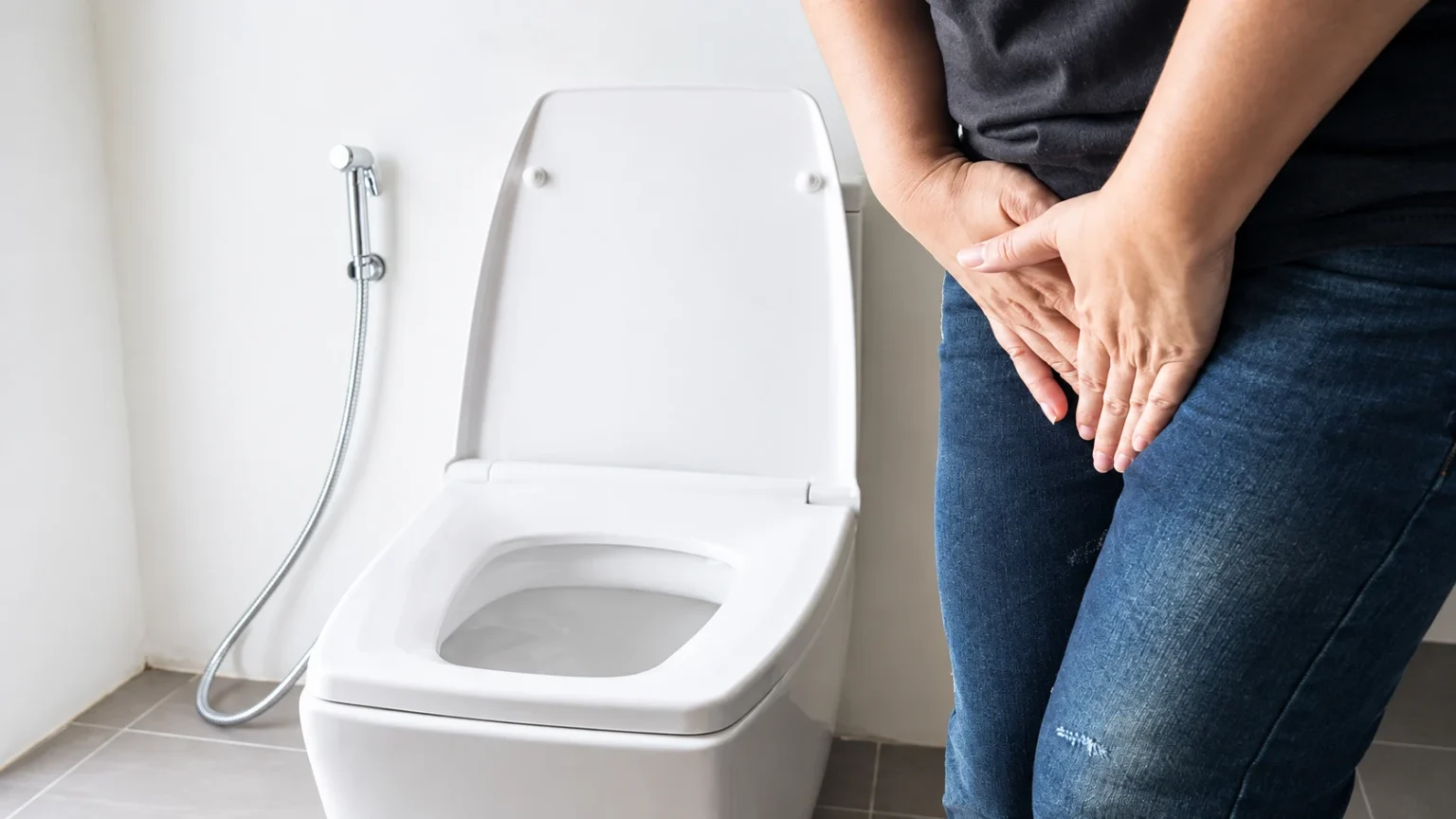
Holding urine occasionally because of travel, work or the lack of a convenient restroom is something many people experience. For a healthy person, delaying a bathroom visit for a short period from time to time is generally not considered a serious concern. The situation is different when postponing urination becomes a frequent habit, particularly for people who already have bladder problems, urinary symptoms or a history of urinary tract infections. Understanding the possible effects can help people recognize when a normal inconvenience may be turning into a health concern.
UTI risk may increase in some people
Regularly keeping urine in the bladder for prolonged periods may be associated with a higher risk of urinary problems in some individuals. One concern is urinary tract infection, especially when the bladder is not emptied regularly. Symptoms that may indicate a UTI include burning while urinating, pain, unusually strong-smelling urine, or a frequent and urgent need to urinate.
These symptoms should not automatically be blamed on holding urine, because infections can have several causes. However, persistent urinary changes deserve medical attention, particularly when they are accompanied by worsening discomfort or other symptoms.
Repeatedly delaying urination can affect the bladder
The bladder is designed to store urine temporarily and then empty it. When someone repeatedly ignores the urge to urinate for long periods, the bladder remains stretched for longer than usual. Over time, this pattern may contribute to difficulties with normal bladder emptying in some people, although the effects can vary depending on an individual’s health and underlying urinary condition.
That is why regularly postponing bathroom breaks simply because of work, travel or routine should not become a permanent habit. Responding to the body’s need to empty the bladder is generally a more sensible approach.
Trouble emptying the bladder needs attention
Some people may notice difficulty starting urination, a weak or interrupted flow, or the sensation that urine remains in the bladder even after using the bathroom. Such symptoms should not be ignored, particularly if they occur repeatedly.
Bladder-emptying problems can have causes other than delayed urination, including infections, certain medications, prostate-related conditions and other urinary disorders. A healthcare professional can determine the underlying reason rather than assuming that holding urine is solely responsible.
Full bladder can cause pressure and discomfort
As the bladder fills, people can experience increasing pressure, heaviness or discomfort in the lower abdomen. The urge to urinate may become increasingly difficult to ignore when a bathroom visit has been postponed for too long.
For some people, the discomfort disappears after urination, while persistent or severe pain may point to another issue. Sudden changes in urinary habits, especially when they continue over time, are worth discussing with a doctor.
Know when medical advice is needed
Certain symptoms require more attention than an ordinary urge to use the bathroom. Blood in the urine, significant pain or burning during urination, repeated urgency, or urinary symptoms accompanied by fever can indicate a condition that needs medical assessment.
Medical care is also important if a person cannot urinate at all, has considerable difficulty starting urination, repeatedly feels unable to empty the bladder, or develops severe pain in the lower back or flank. Urinary retention can sometimes require prompt treatment, so complete inability to pass urine should not be treated as a minor inconvenience.
Simple habits can support urinary health
Instead of repeatedly postponing bathroom visits, try to use the restroom when the urge becomes noticeable and practical circumstances allow. Staying adequately hydrated is also important, although there is no single amount of water that suits everyone. Fluid requirements can change with age, weather, exercise, diet and existing medical conditions.
People with kidney or heart disease may have specific fluid restrictions and should follow their healthcare provider’s advice. The key is to avoid both habitual urine holding and inappropriate fluid intake, while paying attention to symptoms that persist or become more severe.