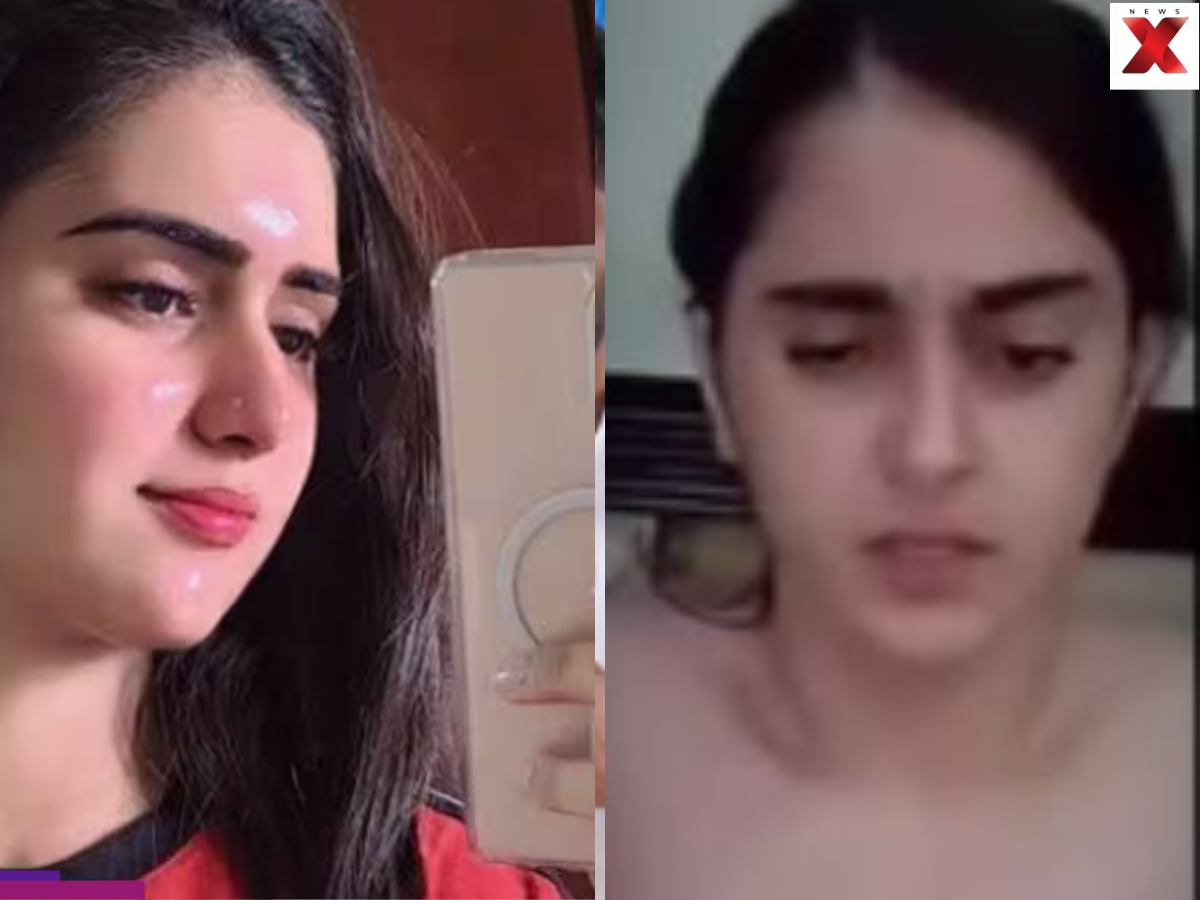
Pakistani influencer Fatima Jatoi found herself at the centre of a bizarre online controversy after searches for an alleged “6 minutes 39 seconds” private video began spreading across social media. The phrase quickly became associated with terms such as Fatima Jatoi MMS, “original video” and “viral video link”, triggering curiosity across X, TikTok, Instagram, WhatsApp and Telegram.
But despite the massive search interest, there is one major problem: no authenticated video matching those claims has been independently verified. Fatima herself has denied any connection to the alleged clip, while fact-checks have found no credible evidence proving that the so-called 6:39 video actually exists.
Fatima Jatoi MMS: What Is The ‘6 Minutes 39 Seconds’ Viral Video Claim?
The controversy began when anonymous posts started referring to an alleged private video supposedly lasting exactly 6 minutes and 39 seconds. The oddly specific duration helped the claim gain traction, with social-media users searching for the alleged “full” or “original” clip.
However, many of the posts circulating the claim offered no credible source, original upload or verifiable evidence connecting any such footage to Fatima Jatoi. Fact-check reports have described the exact timestamp as a common clickbait tactic used to make unverified rumours appear more believable.
Fatima Jatoi MMS: Did The Pakistani Influencer Respond?
Yes. Fatima Jatoi has publicly denied being connected to the alleged viral video and described the claims surrounding it as false. Reports quoting her response say she maintained that no such genuine video featuring her exists and alleged that the rumours were being spread to damage her reputation.
She also reportedly raised concerns about manipulated content, including the growing use of artificial intelligence and deepfake technology to create convincing fake material involving public figures.
Fatima Jatoi MMS: Is The 6:39 Video Real?
At present, there is no reliable evidence establishing that an authentic 6-minute-39-second private video of Fatima Jatoi exists. Fact-checkers reviewing the controversy found no verified original source for the clip.
No credible news organisation, investigative authority or authenticated social-media account has produced evidence confirming the alleged footage. Instead, many links promoted as the “original Fatima Jatoi MMS” reportedly redirect users towards unrelated pages, broken links or suspicious websites.
Fatima Jatoi MMS: Why Are ‘Original Video Links’ Dangerous?
The controversy has also triggered cybersecurity concerns. Links promising access to supposed leaked celebrity videos are frequently used to attract clicks and can redirect users towards phishing pages, malicious downloads or websites designed to collect personal information.
Reports examining the Fatima Jatoi trend found that several links associated with the alleged video either led nowhere useful or redirected users towards suspicious content. That means people searching for the supposed clip may expose themselves to risks even when the promised video does not exist.
Fatima Jatoi MMS: Why Did The Rumour Become So Big?
Part of the answer lies in the phrase “6 minutes 39 seconds” itself. Precise durations can make an internet rumour sound strangely convincing. Once people begin searching for the number, algorithms can amplify the phrase further, creating the impression that a genuine viral event must be behind it.
The Fatima Jatoi controversy also emerged amid a wider wave of viral-video searches built around exact durations, including other supposed “7:11” and “19-minute” clips. In several such cases, fact-checks later found little or no evidence supporting the claims that initially made them trend.
Fatima Jatoi MMS: What Is Actually Verified?
The verified picture is much simpler than the viral claims. Fatima Jatoi’s name became associated online with an alleged 6-minute-39-second private video. She denied the claim, and available fact-checks have not found an authenticated video proving otherwise.
For now, the so-called Fatima Jatoi MMS appears to be another example of how curiosity, misleading links and unverified social-media posts can turn an unsupported claim into a major search trend. Until credible evidence emerges, claims presenting the alleged video as genuine should be treated as unverified.