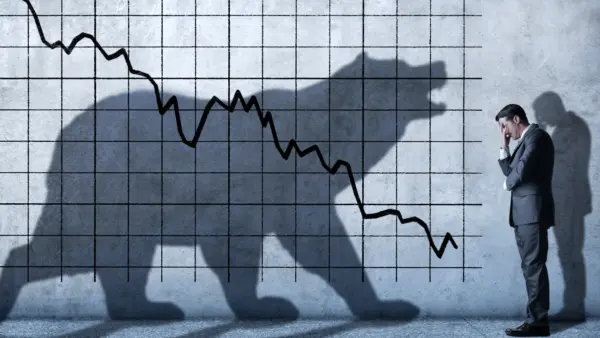
Kolkata: Nifty 50, the leading index of the Indian stock market, has plunged about 10.50% so far in 2026 with surging crude oil prices, rising US bond yields, US-Iran tensions and ongoing pressure in the global market generating tailwinds.
During this period, the BSE Sensex has gone down even further — by 12% — and the Bank Nifty has lost about 5.20%. The real question now is whether Nifty 50 will be able to recover this loss in the next three and a half months, or will 2026 also end in the red. If Nifty 50 closes this year with negative returns, it will be the first such occasion in nearly a decade. Previously, in 2015, Nifty 50 fell by 3%. In 2011, the index lost approximately 23.80% and during the global financial crisis in 2008, Nifty 50 collapsed by more than 51%.
Why is Nifty 50 falling?
Geopolitical tensions and high crude oil prices have had the greatest impact on market sentiment. Escalating US-Iran tensions have raised concerns about disruptions to global energy supplies. Meanwhile, Brent crude prices, nearing $110 per barrel, are expected to increase pressure on inflation, the current account, corporate margins, and the rupee.
Additionally, rising US bond yields and expectations of a rate hike at this week’s US Federal Reserve meeting have also increased pressure on emerging markets. Investors are cautious ahead of the Fed’s decision, as minutes from its July meeting indicated concerns about inflation and the possibility of further rate hikes if necessary.
Role of Reliance and HDFC Bank shares
A major reason for the Nifty 50’s decline is its two index heavyweights, Reliance Industries and HDFC Bank. Reliance Industries’ stock has fallen by nearly 20% in 2026 and the HDFC Bank share has eroded nearly 30%. Both of these companies have significant weightings in the Nifty 50. Therefore, a sharp decline in these stocks has had a direct impact on the entire index.
However, both stocks are now expected to improve. Reliance Industries’ planned Jio Platforms IPO could be a major trigger for the market. It is expected to hit the Indian primary market around Dussehra. This could increase buying interest in Reliance shares.
The market is closely monitoring developments related to the CEO position at HDFC Bank. The appointment of a new CEO is expected by the end of September 2026. Following this, the bank’s stock is expected to rise by approximately 15-20%. Reports state that if Reliance and HDFC Bank rise, Nifty 50 could potentially reach 24,500-24,600 levels.
FII investment
Most analysts are of the opinion that Nifty 50 will need foreign investment to recover the remaining losses. Increased dollar inflows from FPIs and FIIs could provide support to the market. Amid high crude oil prices, the government’s introduction of FCNR bonds is expected to increase dollar inflows into India and help stem the rupee’s decline. The decline of the rupee is itself triggering selling by foreign investors.
Permanent relief for the market will come if the crisis related to the Strait of Hormuz improves, the situation regarding Russian oil imports improves and there is some major progress in US-Iran talks.
AI slowdown
The global slowdown in AI could also prove positive for the Indian market. If the results of the November midterm elections in the US go against President Donald Trump, profit-booking in US bonds could increase. This could lead to increased FII and FPI investment in emerging markets, including India. Furthermore, if the slowdown in the AI sector intensifies, US dollar inflows could also increase. In such a scenario, Nifty 50 could see a sharp recovery.
If the AI slowdown intensifies by the end of November, Nifty 50 could reach around 25,500 by the end of the year. If the AI slowdown intensifies in early November, Nifty 50 could make new highs and reach 27,000 or above by the end of 2026.