
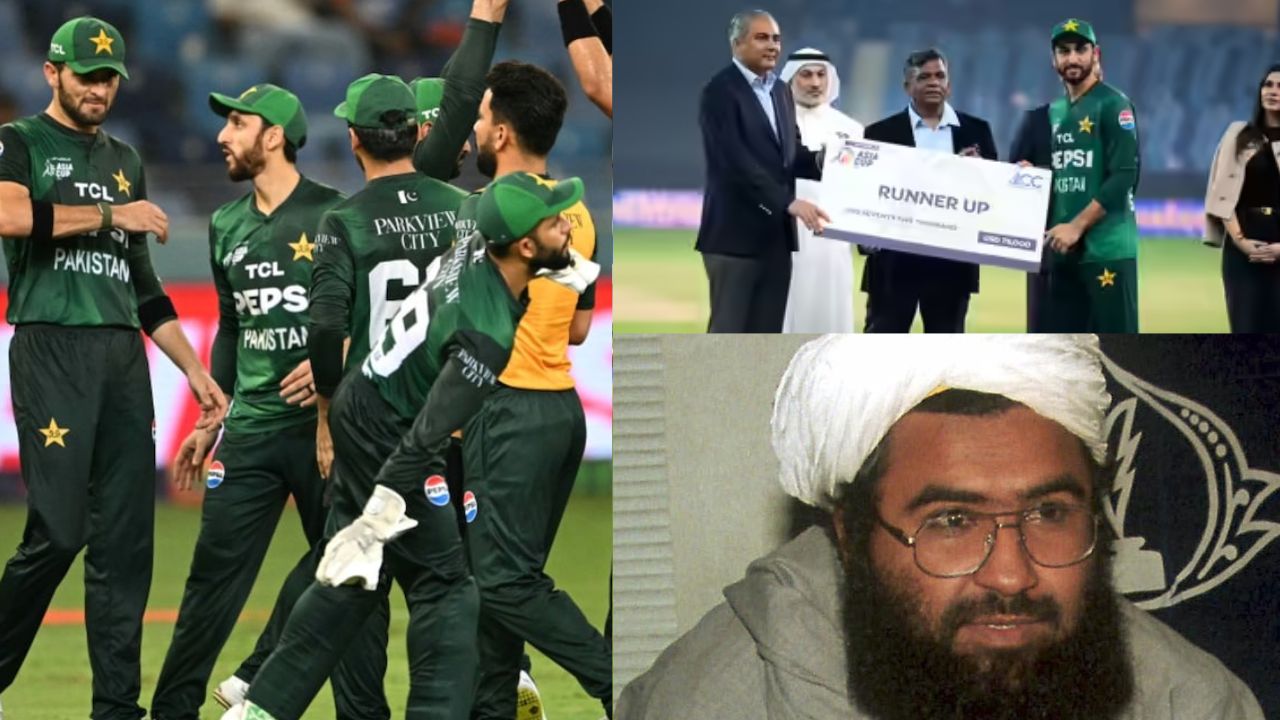
Pakistan Team Will Donate Match Fees: एशिया कप 2025 (Asia Cup 2025) की शुरुआत यूएई में 9 सितंबर से हुई थी और फाइनल मुकाबला 28 सितंबर को खेला गया। टूर्नामेंट का 17वां संस्करण टीम इंडिया ने जीता, जिसने फाइनल में पाकिस्तान को हराया। इस बार का संस्करण रोमांचक मुकाबलों और खिलाड़ियों के प्रदर्शन से ज्यादा विवादित चीजों की वजह से चर्चा में रहा। नो हैंडशेक कंट्रोवर्सी, पाकिस्तानी खिलाड़ियों का एयरक्राफ्ट गिरने और 6-0 का इशारा करना, वहीं साहिबजादा फरहान का गन सेलिब्रेशन, ये सभी चर्चा में रहे।
वहीं, एशिया कप फाइनल (Asia Cup Final) के बाद भी विवादों का दौर नहीं खत्म हुआ और टीम इंडिया ने जब एसीसी अध्यक मोहसिन नकवी से ट्रॉफी लेने से इनकार कर दिया तो पीसीबी चीफ ट्रॉफी और भारतीय खिलाड़ियों के मेडल लेकर ही स्टेडियम से रवाना हो गए। इसी वजह से फाइनल जीतने के बावजूद टीम इंडिया को ट्रॉफी नहीं मिली।
भारत और पाकिस्तान के बीच मुकाबलों के दौरान पहलगाम आतंकी हमले को लेकर भी काफी चर्चा हुई, क्योंकि इसी के कारण टीम इंडिया ने पाकिस्तान टीम से हाथ ना मिलाने और बातचीत ना करने का रूख अपना रखा था। वहीं फाइनल के बाद भारतीय कप्तान सूर्यकुमार यादव ने अपनी मैच फीस को भारतीय सेना और पहलगाम आतंकी हमले में मारे गए लोगों के परिवार को डोनेट करने की बात कही। वहीं, कुछ ऐसा ही पाकिस्तान के कप्तान सलमान अली आगा ने भी किया लेकिन उन्होंने जिन लोगों को मैच फीस देने की बात कही, उससे विवाद पैदा हो गया है।
आतंकियों को Asia Cup की मैच फीस डोनेट करेगी पाकिस्तान टीम?
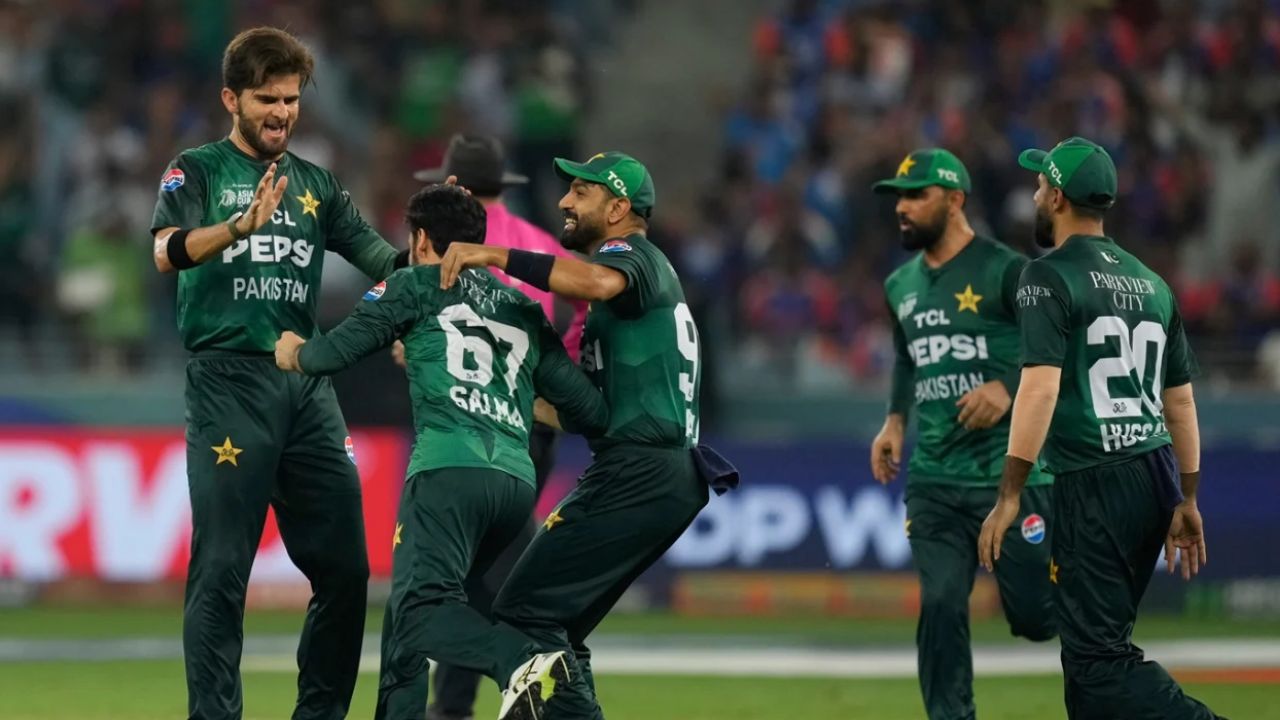
दरअसल, भारतीय कप्तान सूर्यकुमार यादव के नक्शेकदम पर चलते हुए पाकिस्तान के टी20 कप्तान सलमान अली आगा ने भी एशिया कप (Asia Cup) के खिताबी मैच के बाद अपनी टीम की मैच फीस को डोनेट करने की बात कही। हालांकि, उन्होंने अपने बयान से विवाद पैदा कर दिया, क्योंकि सलमान ने उन लोगों को पाकिस्तान टीम की मैच फीस डोनेट करने को कहा है, जो भारतीय सेना के द्वारा ऑपरेशन सिंदूर में मारे गए थे।
बता दें कि ऑपरेशन सिंदूर में भारत ने पाकिस्तान में मौजूद आतंकियों पर हमला किया था, जिसमें जैश-ए-मोहम्मद के सरगना मसूद अजहर के परिवार के भी कुछ लोगों के मारे जाने की खबर आई थी। ऐसे में प्रतीत हो रहा है कि पाकिस्तान टीम अब आतंकवादियों के परिवार की मदद करेगी। इसी वजह से सलमान अली आगा की काफी खिंचाई भी हो रही है।
View this post on Instagram
कैसा रहा Asia Cup Final का हाल?
एशिया कप (Asia Cup) 2025 का फाइनल मैच काफी रोमांच रहा। उम्मीद नहीं थी कि पाकिस्तान की टीम भारत को जीत के लिए इतनी मशक्कत कराएगी लेकिन आखिरी में मुकाबला भारत ने अपने नाम करने में सफलता हासिल की। टॉस का बॉस बनने के बाद, भारतीय टीम के कप्तान सूर्यकुमार यादव ने पाकिस्तान टीम को पहले बल्लेबाजी के लिए आमंत्रित किया।
पहले बैटिंग करने उतरी पाकिस्तान की शुरुआत शानदार रही। साहिबजादा फरहान और फखर जमान की ओपनिंग जोड़ी ने 84 रन जोड़े। फरहान ने फिफ्टी पूरी की और 38 गेंदों में 57 रन बनाकर आउट हुए। वहीं जमान ने 35 गेंदों में 46 रन बनाए और 113 के स्कोर पर दूसरे विकेट के रूप में आउट हुए। यहां से विकेटों के गिरने का सिलसिला शुरू हो गए और पाकिस्तान टीम पूरे ओवर भी नहीं खेल पाई। पूरी टीम 19.1 ओवर में 146 रन बनाकर ढेर हो गई। कुलदीप यादव ने सर्वाधिक 4 विकेट झटके।
टीम इंडिया के लिए तिलक वर्मा एशिया कप फाइनल (Asia Cup Final)में साबित हुए हीरो
जवाब में लक्ष्य का पीछा करने उतरी भारत की शुरुआत बुरे सपने की तरह रही। अभी तक लगभग हर मैच में धमाल मचा रहे अभिषेक शर्मा 5 रन बनाकर आउट हो गए। वहीं शुभमन गिल 12 और सूर्यकुमार यादव 1 रन बनाकर चलते बने। 20/3 के स्कोर से तिलक वर्मा और संजू सैमसन (24) ने स्कोर को 77 तक पहुंचाया। इसके बाद, तिलक को शिवम दुबे (33) का साथ मिला। दोनों ने भारत को जीत के करीब पहुंचा दिया लेकिन फिर दुबे आखिरी ओवर से पहले आउट हो गए।
हालांकि, आखिरी ओवर में तिलक वर्मा और रिंकू सिंह ने टीम इंडिया को दो गेंद शेष रहते जीत दिला दी। भारत ने 19.4 ओवर में 5 विकेट खोकर 150 रन बनाए। तिलक आखिरी तक नाबाद रहे और 69 रनों की पारी खेली। वहीं रिंकू सिंह (4*) ने विनिंग चौका लगाया।
FAQs
Asia Cup फाइनल में टीम इंडिया के लिए कौन से खिलाड़ी टॉप परफ़ॉर्मर रहे?
एशिया कप में टीम इंडिया ने कितने मैच जीते?
यह भी पढ़ें: Asia Cup 2025 Prize Money: फाइनल हार कर भी इंडिया से ज्यादा पैसे ले गई पाकिस्तानी टीम, “प्लेयर ऑफ़ द टूर्नामेंट” को भी मिली मोटी रकम
The post पाकिस्तानी खिलाड़ियों ने मिलकर उठाया बड़ा कदम, आतंकी मसूद अजहर के परिवार को एशिया कप के पैसे देने का किया ऐलान appeared first on khelja.